“Economic heart attack”: 3 top experts warn that the US risks incapable of payment due to huge debt

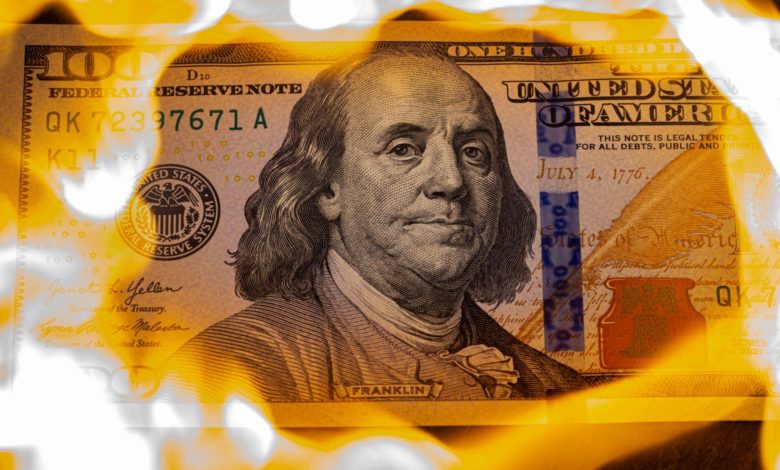
Investors 'concerns about the increasing burden of the United States' government debt were resolved last week, after the Washington Treasury Department registered a solid demand for its long -awaited tender for 30 years. It took place one day after a similar 10 -year offer, which enjoyed the same strong demand. But some experts warn that the US have not yet escaped danger, reports Business Insider.
The Goldman Sachs investment bank has discussed with three top economic experts – Ray Dalio, Ken Rogoff and Niall Ferguson – about the increasing levels of debt in the US. All three have expressed concern about a possible imminent crisis of US debt, especially in the context of the effects of fiscal law and expenses promoted by President Donald Trump together with the Republican Party, a law that could add trillion to the budget deficit in the next decade.
Currently, the US public debt amounts to about 37 trillion (37,000 billion).
However, the experts consulted by Goldman Sachs are a little more pessimous than investors. After a period of tension last month and in April, the demand for the US long -term government bonds returned.
Here are the main points highlighted by each expert:
“An economic infarction caused by debt”
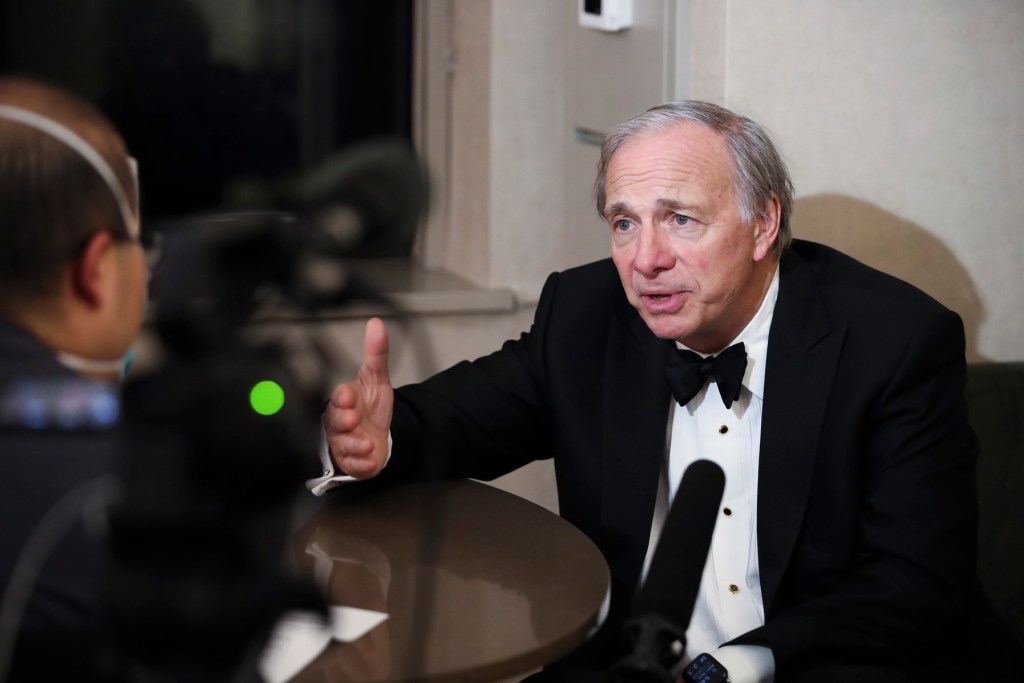
Ray Dalio, the founder of the Bridgewater Associates Investment Company
The billionaire and manager of speculative funds (“Hedge Fund”) said that three factors determine the prospects of US debt:
- How much does the Government pay in interest on debt, in relation to its income. If interest payments continue to grow, they can “unacceptably” from preventing the US government from spending money for other things;
- How much debt does the government have to sell in relation to the request. If the government needs to sell more government securities than investors willing to buy, interest rates will have to grow. This provides more attractive yields for investors, but high rates affect markets and American economy;
- How much coin should print the central bank to buy the debt left. If the demand for US government securities is very weak, Fed (US Central Bank) can intervene to buy bonds and ensure government funding. If you need to print more money for this, inflationary pressures appear and the value of the US dollar is reduced.
“Anyone can easily measure these signs of deterioration and can see how an imminent debt crisis is outlined,” says Dalio, which has long warned the dangerous dynamics of debt in the US. “Such a crisis occurs when the expenses financed by debt are suddenly constrained, as an economic infarction caused by the debt,” he points out.
To prevent a crisis, Dalio says the US government should reduce the budget deficit to 3% of GDP. In December 2024, it was 7% of GDP.
“It will probably be more painful than the inflationary shock of the Covid period”
Ken Rogoff, teacher at Harvard and former Chief Economist of the IMF
Given Trump's current agenda, Rogoff believes the US will probably get into a debt crisis in the next 4 to 5 years. That would mean faster than its previous estimate, 5 to 7 years old, made before Trump's re -election.
“The idea that debt is a free lunch, promoted by many economic analysts, is absurd. The higher deficit today, over the high levels of debt, prepares the land for a crisis that will require a significant adjustment,” says Rogoff.
Rogoff believes that a debt crisis could take two forms:
- An explosion of inflation that causes an economic shock. “It is difficult to say exactly how this shock will look, but it will probably be more painful than the inflationary shock of Covid, which has only led to relatively minor adjustments in bond markets,” says Rogoff;
- The government could handle the debt by artificially maintaining low interest and restricting capital flows. But these measures will affect economic growth and will essentially act as a fee on population economies, he points out.
Investors have been long worried about US debt, but prospects are all the more darker, because long-term interest rates go through a “normalization” after a decade of very low levels, draw Rogoff.
“People need to understand that greater interest will remain, and a return to the era of low interest in the past could only prove an illusory dream,” he adds, given that President Trump has repeated PED pressure to reduce reference interest.
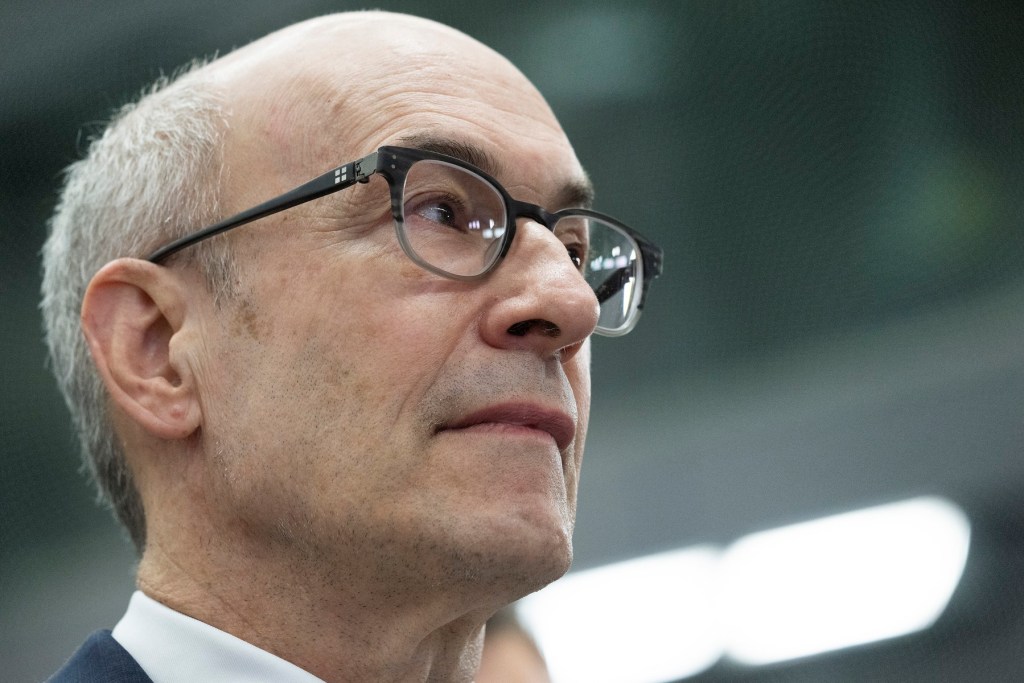
“I have warned for 20 years that the US is following an unsustainable fiscal path”
Niall Ferguson, Historical and Researcher at Harvard
Ferguson believes that a crisis could be triggered by a military challenge that would lead to the loss of US status as a global power, as its public debt deepens.
The British-American historian specialized in Finance said that his favorite indicator to evaluate how unsustainable a country is when the expenses for paying the debt exceeds the defense expenses.
This rule, which it calls “Ferguson's law”, is now applies to the US, which have spent $ 1.1 trillion to pay interest at the national debt in fiscal year 2024, according to the Treasury Department. This amount was higher than the $ 883.7 billion approved for defense expenses in the same year.
Almost all the nations that have violated Ferguson's law in the past have lost their status in “great power” in the financial markets, he points out.
“Any great power that adopts a reckless fiscal policy, allowing the cost of his debt to exceed the cost of the armed forces, is exposed to the challenge,” says Niall Ferguson. “The US is just the latest great power that is found in this tax impasse,” he says.
According to the historian, the US have so far been borrowing massively without problems, partly because the US dollar remains the reserve currency of the world, and investors still concern US state securities as “without risk,” which means that the US will pay its interest.
But Ferguson states that this already seems to change, indicating that investors around the world reduce their exposure to US government securities and withdraw from dollars.
“I have warned for 20 years that the US is following an unsustainable tax path, and sometimes I felt like the boy who cries” the wolf “, he says.