Premature hair whitening begins on the plate: the key nutrient influencing the natural color

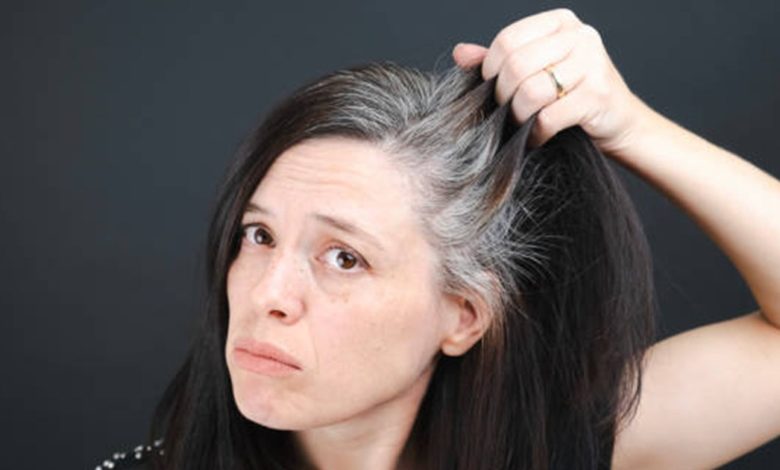
Integral cereals and legumes are not only healthy and beneficial foods for general health, digestion or weight control – they are also enriched with an essential mineral that can contribute to maintaining the natural color of the hair.
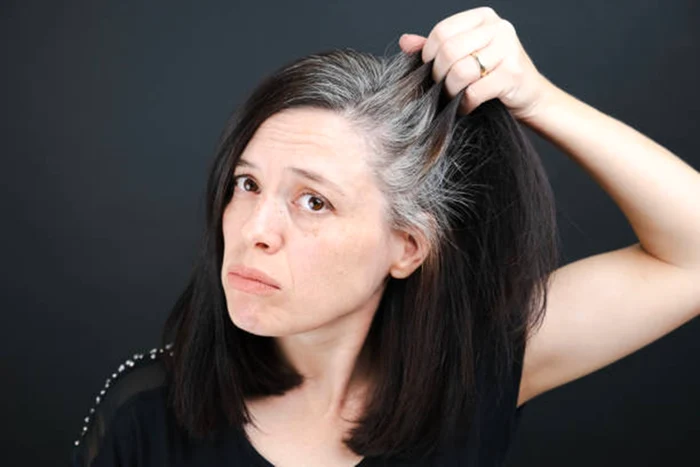
Copper deficit is one of the major causes of premature stubborn hair Istoc
However, hair whitening is not exclusively influenced by nutrition. Genetic factors play an important role, and the deficiencies of key vitamins and minerals-such as B12, iron, zinc or folic acid-can accelerate the process.
Therefore, nutritional balance and care of lifestyle become essential weapons in keeping hair health. Excessive consumption of supplements or fortified foods can, however, have adverse effects.
Balance is the key: insufficient intake can speed up the appearance of white threads, while excessive consumption can affect general health. Specialists recommend moderation and increased attention to daily diet.
Why we grieve and what role food plays in this process
Throughout life, our body transmits subtle signals, but also obvious changes that betray the passage of time. The appearance of white hairs is part of this second category – a visible phenomenon, which can gradually occur or sometimes suddenly, following changes in the hair follicles.
Although today, gray hair is increasingly accepted and even valued as a symbol of maturity, wisdom or personal style, for many it remains an aesthetic challenge.
Around this natural process, the cosmetic industry has built a flourishing business, based on the sale of hair paints and treatments.
However, in recent years, the interest has been directed more and more to the biological causes of premature incarnation and on the role that nutrition, especially nutritional deficiencies, can have.
An essential mineral in this equation is copper.
Copper deficiency and connection with premature hair whitening
Melanin, the natural pigment that gives color to the hair, skin and eyes, does not occur constantly throughout life; With the aging, its production decreases, favoring the appearance of white threads. This decline is closely related to the activity of melanocytes-the cells responsible for melanin synthesis-and the proper functioning of a key enzyme: tyrosinase.
Copper plays a crucial role, acting as a tyrosinase co-factor. In the absence of a sufficient amount of copper, the activity of this enzyme decreases, the melanocytes become less effective, and the production of melanin decreases. The result? The gradual loss of the natural color of the hair, which turns into gray or white.
The population that is increasing at the latest. Find out what the studies say
Ross Kopelman, a renowned American specialist in hair restoration, with vast clinical experience and solid training, clearly explains: Copper deficiency is not the unique cause of premature hair whitening, but it can accelerate this process, especially in people with genetic predisposition.
This statement is supported by research published in scientific magazines, as Biological trace element researchwhich have shown significantly lower levels of copper in the blood of people with premature canal (hair), compared to healthy control groups.
The moment of the appearance of the first white threads varies according to the ethnic origin: around the age of 30 in the Caucasian population, towards the end of the third decade of Asians and around the age of 45 in the African people. However, when whitening occurs much earlier than normal average, it is important to consider other factors, beyond stress or genetic inheritance.
The dangers of excess copper and the recommended daily requirement for healthy hair
As with all micronutrients, balance is essential. right National Institutes of Health (USA), the daily copper requirement for an adult is about 900 micrograms-an easy value to reach through a varied and balanced diet. In contrast, people who follow restrictive or ultra -processing food diets may risk not ensuring the necessary contribution.
It is important to emphasize that the administration of copper supplements without the recommendation of a doctor is not recommended and can be dangerous. Excess copper does not bring additional benefits to hair health and can lead to liver toxicity, neurological disorders or gastrointestinal problems.
How to consume the necessary copper
Therefore, the solution does not consist of buying impulse capsules, but in paying more attention to daily diet. Copper is found in simple and accessible foods, which are often not appreciated at their true value. Dried fruits, such as anacaries (cashew nuts), almonds or nuts in Brazil, not only offer healthy fats, but also significant amounts of this mineral.
Sunflower seeds, pure cocoa, molluscs and even integral cereals and legumes, such as lentils, also contribute to copper intake. In omnivorous diets, the organs, especially the beef liver, are exceptional sources of copper. And the best thing is that these foods not only prevent the appearance of white hair: their complete nutritional profile supports the immune system, improves the quality of the skin and protects the cardiovascular system.
The dangers of excessive copper consumption
It is important to dismantle a wrong, but quite widespread idea: that if a substance is beneficial, more quantity always means better. Human metabolism does not work that way. In the case of copper, the difference between the recommended and toxic dose is quite small.
The consumption of more than 10,000 micrograms (10 milligrams) per day can be dangerous, and this limit can be exceeded quite easily if they abuse supplements or certain fortified foods.
Therefore, the recommendation of the experts always remains the same: in case of doubt, it is essential to do blood tests, to check the copper level and to consult a specialist.
Those who have deficiencies may require a supplement, while others can reach toxicity due to excess, but there is no universal pattern valid for all people.
White hair is also a genetic problem
However, we cannot reduce the process of incorporation only to a matter of micronutrients. Genetics plays an essential role in the moment and how the white threads appear.
There are genes such as IRF4 that directly influence the regulation of melanogenesis, and this determines the age at which the white threads appear. Even in this case, epigenetics play an important role: the environment, lifestyle and nutrition can influence the activity of certain genes. That is, not everything is already established, and the care for the diet remains a strong intervention tool.
Vitamin deficiencies that can accelerate the appearance of white threads
Another factor to consider is the speed with which the color of the hair is lost. If a young person begins to have quick white threads and in large quantities, this may be the sign of a deeper imbalance. The deficiencies of vitamin B12, iron, zinc or folic acid have also been associated with the premature appearance of white threads.
Therefore, doctors like Kopelman emphasizes that, more than treating the symptom, we need to investigate the cause. It is not just about hiding the white threads, but to understand what causes them and if this process can be reversed or even controlled.
Hair, like nails or skin, is not a vital organ, so it is often the first to reflect the effects of a nutritional deficit: the body prioritizes other more important systems and leaves the hair without sufficient resources to maintain its color and resistance.