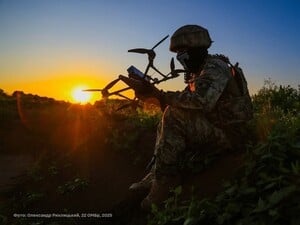
“The situation in the south has been tending to exacerbate every day. This is reflected in the fact that recently there have been much more combat clashes and aviation blows using corrected aircraft bombs, and uncontrollable aviation missiles, and drones, and artillery shelling. Well, of course, there are more attempts by the enemy to break through our defense strip,” said the speaker.
During the second week of June, the number of combat clashes with the enemy grew by 33%. And 50% became more than missile strikes, Voloshin said. In settlements located in the south of the country, the enemy struck a third more than Shahed.
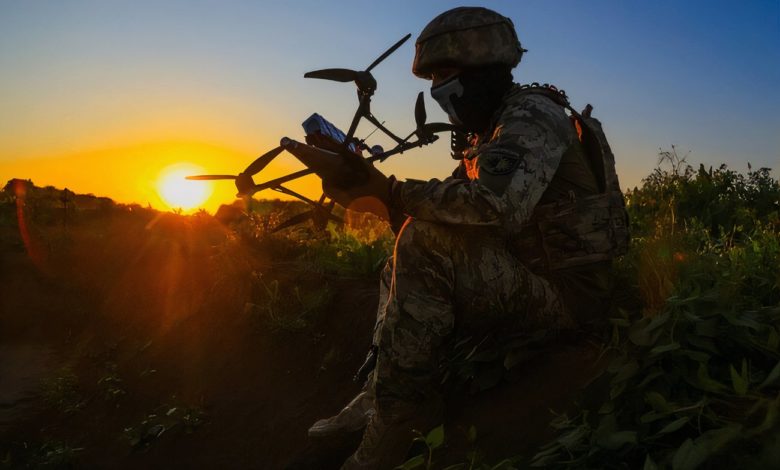
“As for the use of kamikadze drones, their number also increased by 10%compared to last week. Today, the enemy inflicts 700–710 shocks per day with drones. In the Zaporizhzhya direction, this is about 400 per day, about 280–300 in Kherson,” said the speaker.
Voloshin did not confirm the information about the increase in the total number of the enemy in the south, but emphasized the growth of the number of assault groups of the enemy.
“The number of the enemy, in principle, increased slightly, but the number of enemy assault units increased. That is, those units that were previously located in training centers and training grounds, which are located in temporarily occupied territories, have now pulled closer to the battle clash. And many of these assault groups have already been thrown into advanced positions,” the speaker added.
Also, both sides, Voloshin noted, strokes inland 5–7 km from the front line along the so -called dead zone. The Russians transferred their soldiers to the Gulyaipol direction and resumed active assault actions there, the speaker summed up.