Netflix chief says that epic films like “The Irishman” can now be made considerably cheaper, but also sees a danger

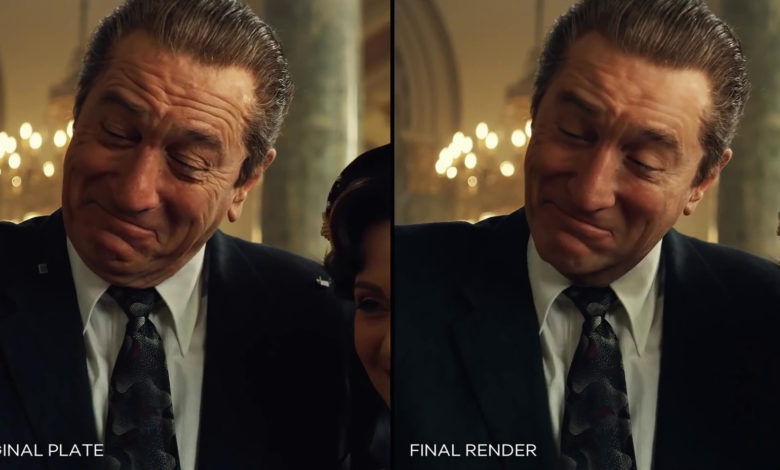
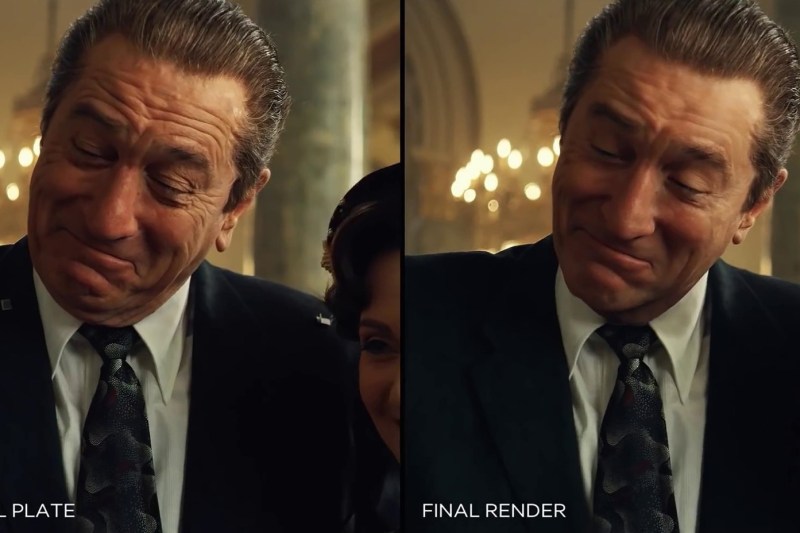
Robert de Niro, digital “rejuvenated” for the movie “The Irishman”, photo: Backgrid UK / Profimedia Images
Artificial intelligence (AI) could change the rules of the game for Hollywood budgets, but will not replace human creativity, gives assurances Netflix CEO for original content, Ted Sarandos, quoted by Business Insider.
Sarandos said in a conversation in the “WTF” podcast with entrepreneur Nikhil Kamath, that he is not afraid of AI
“I hope that the creators are not afraid, because it will become an excellent tool to tell stories even better and make it possible to make films that they could not make before,” he said.
Sarandos emphasized the potential to reduce the cost of visual effects. He gave the example of Martin Scorsese's Netflix movie, The Irishmanwhich used digital “rejuvenation” technology that cost a few years ago around $ 30 million in the budget.
“Today, we can make exactly the same movie better for a fraction of the cost,” said Sarandos, referring to the epic film that lasted 3 and a half hours and believed to have had a total production budget of $ 159 million.
Netflix director claims that AI development is good news for Hollywood
Sarandos claims that such cost reductions could allow a wider range of creators to tell more ambitious stories without requiring budgets of a “blockbuster”.
“These tools will become very similar to the tools of visual effects, very similar to computerized animation,” he said. “You use the tools to tell the story and express yourself in a way you could not before,” said Sarandos.
But he does not believe that artificial intelligence will replace the “emotional core” of the story.
“What you do today is the antithesis of the imagination,” he said, adding that the tools you have “give you the most predictable result based on these gross ideas you give.”
Sarandos also warns of a danger
The director Netflix acknowledged that some creators could simply accept the content generated by AI without “making the step of saying,” not so “, and just to go with what was spit.” “This would be the danger,” he stressed.
Director James Cameron expressed similar concerns in an April appearance at the “Boz to the Future” podcast, suggesting that you could reduce the cost of films with many visual effects, without replacing human creators.
Meanwhile, several technology giants now offer video tools.
In December, Openai released sister, a video generator who can create short videos from written instructions and can edit existing videos by completing the frames.
Last month, Google revealed Flow, which uses the latest AI models to generate images, sound effects and dialogues.