2025-06-12 15:26
publication
2025-06-12 15:26
Riots in Ballymena in Northern Ireland began on June 9, 2025 after reporting the alleged attempt to rape on a teenager; Two 14-year-olds were arrested and accused. Both appeared before the court with the Romanian language translator, which became an impulse for public protests. The accused denied the allegations.
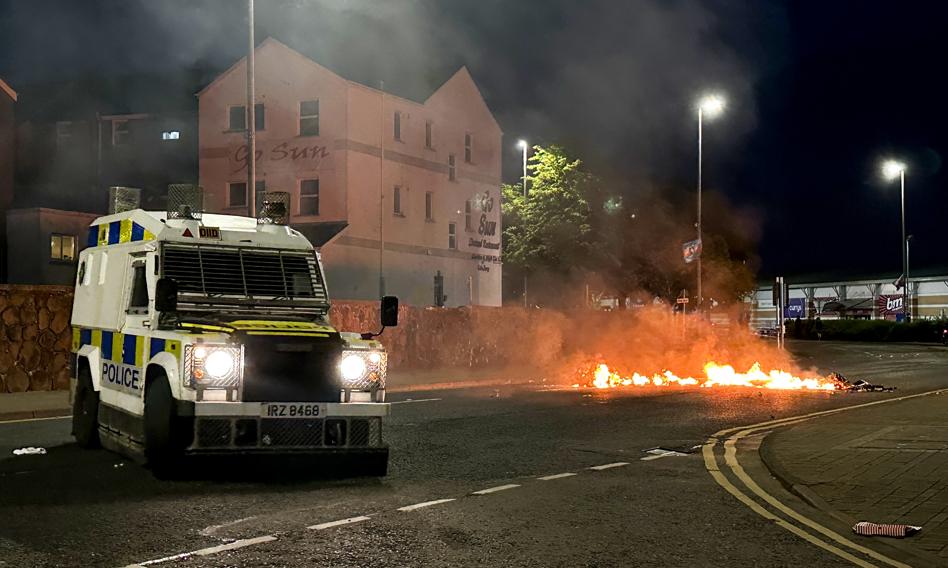
The first assemblies were peaceful, but the first night of June 9-10 there was an escalation. In the following days, attacks on houses and stores belonging to migrants, arson, clashes with the police and numerous cases of damage to property were recorded. The riots lasted a few days and covered not only Ballymena, but also other towns in Northern Ireland, including Newtownabbey and Belfast. The North Irish Police (PSNI) informed about the use of water cannons, rubber balls and the detention of several people, including minors.
In total, over 30 officers were injured. Several people were arrested. Many incidents were reported to the inhabitants of Bulgarian, Romanian and Filipino. Cards with inscriptions began to appear on the door of some houses: “British live here” or “Philippines live here, we work in a nursing home”, while other families decided to leave their homes and even cities for fear of further violence.
Local authorities and all main political parties in Northern Ireland condemned violence. PSNI described the incidents as “racial hooliganism.” The Minister of Justice of Northern Ireland announced the perpetrators. In a jointly issued statement, party leaders stated that the use of an individual criminal case for the purposes of collective retaliation is unacceptable and leads to destabilization of public order.
Ballymena is a city located in Antrim, approx. 45 km north-west of Belfast, with about 30 thousand. residents. It is historically related to the Protestant and loyalist community, which means attachment to the United Kingdom and support for Unionism. During the North Irish conflict (so -called The Troubles), the city was a place of tensions between loyalists and republicans. In the last two decades, political violence has given way to sporadic social tensions.
Currently, the growing number of migrants and demographic changes are becoming a new inflammatory point in the local public debate. Northern Ireland has a relatively low population of immigrants compared to the rest of Great Britain. However, Ballimena has a relatively high population of immigrants compared to the rest of Northern Ireland; About 16 percent of the population are people who are not British. They often come from Poland, Romania or Bulgaria. Research conducted by academic centers in Belfast shows that ethnic tensions in Northern Ireland are focused mainly in areas with high unemployment, low level of education and large demographic changes.
According to the local police and non -governmental organizations, the Ballymemen contributed to, among others Social media messages containing unverified information that spread quickly. The low trust of the community in the justice institution and the lack of sufficient civic education in the field of cultural diversity are also indicated.
The authorities are afraid that violence may break again on Thursday evening. Ballymena was calmer on Wednesday than at the beginning of this week, but the larne of a coastal city experienced more violence. A recreation center was attacked there, where families lived, who escaped from Ballymena.
In the summer of last year, similar racist riots broke out in other cities in Great Britain, where asylum seekers were attacked. In Northern Ireland, the inhabitants were limited to the capital – Belfast.
In March 2025, Herbert Balmer, a 61-year-old city inhabitant and Great Britain citizen, was sentenced to Ballymemen, for many years of sexual abuse of children. Crimes took place in the 1980s and concerned, among others His niece. Balmer, known locally as a member of the Probritic organization Orange Order (literally orange order), was sentenced to 6.5 years in prison. However, there were no riots or protests due to his case, although it concerned sexual offenses against children.
The authorities announced the continuation of investigation and support for the victims of the riots. PSNI reminds that each criminal case should be considered individually by the court. The Ministry of Justice of Northern Ireland has launched additional funds for information campaigns regarding hate speech and protection of ethnic minorities. Talks with social organizations are also underway on the long -term counteracting youth radicalization.
PMK/ MMS/