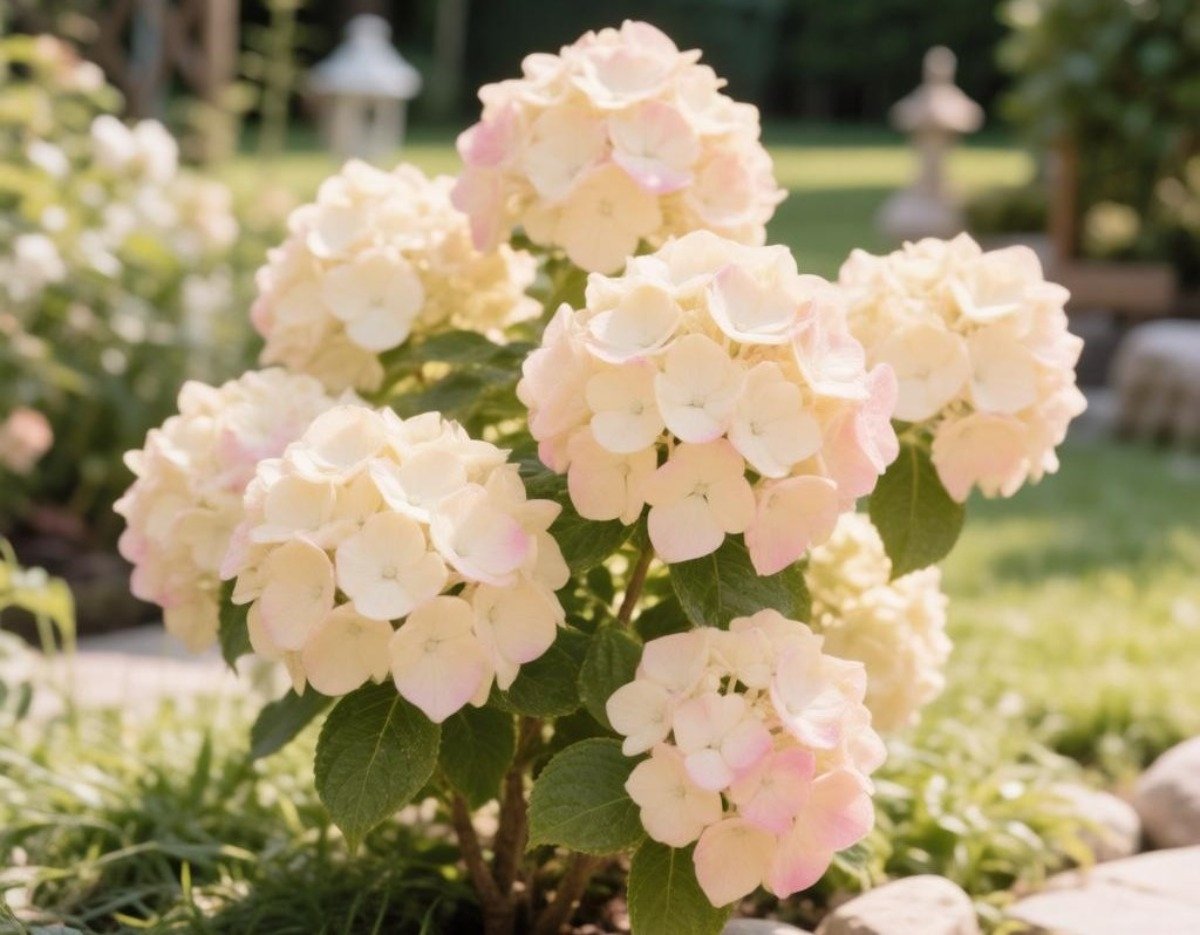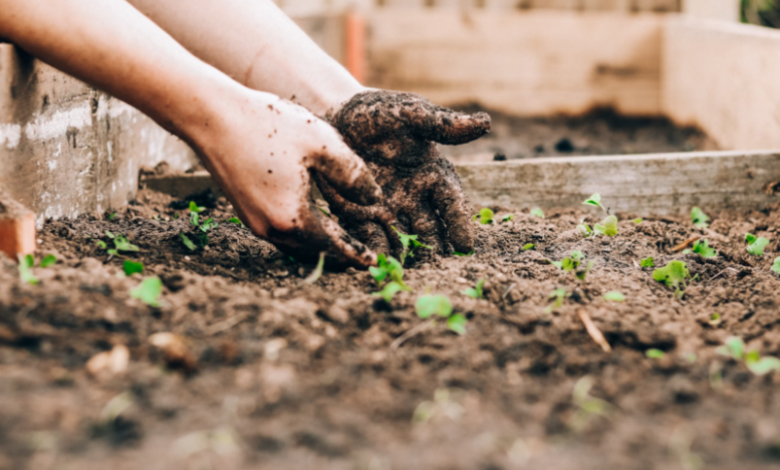
The acidity of the soil is an indicator that reflects how much the soil is acidic or alkaline. It is measured using a PH scale from 0 to 14 points. The PH value shows how many acids and alkalis are contained in the soil. If PH is below 7, then the soil is acidic, if exactly 7 is neutral, and if above 7 is alkaline. Each soil type has its own characteristics. Different PH values are suitable for different plants.
For example, if the soil is very acidic (pH 0–4.5), most of the vegetables and flowers usually grow poorly on it. Some decorative and berry plants love this soil: blueberries, lingonberries, rhododendrons. Neutral soil (near PH 6.5–7.3) is considered optimal for most crops, and alkaline soils (pH above 7.4) are more suitable for coniferous plants, cucumbers and beets.

Knowing the acidity of the soil is important because it depends on how plants absorb nutrients. If the soil is too acidic or too alkaline, some elements cease to be affordable, and the plants begin to hurt, grow poorly or completely die.
How to find out the acidity of the soil
There are several ways to check the acidity:
1. PH measurement devices are the most accurate option. In stores for gardeners, electronic meters with a long probe are sold. They are simply inserted into the ground, and the level of pH is displayed on the screen.
2. Test strips or sets with indicators is a more affordable option. Take a little soil, breed it in water, add an indicator (strip or powder) and see how the color changes. Compare the color with the table that comes with the dough.
3. The folk method with vinegar. Pour the soil on a plate and pour 9%vinegar. If the soil begins to hiss and foam, it is alkaline, if there is no reaction, then sour. A small amount of foam is neutral.
4. In addition, you can navigate in plants-rings. If the site has a lot of moss, sorrel, sedge, most likely the soil is acidic. If nettles, plantain or binding are found, then the soil is alkaline.
How to change soil acidity
If you want to make the soil more acidic, there are several effective techniques:
1. High peat is a natural material with an acidic reaction (pH 3-4). It is laid out on the surface of the beds (about 1.5 kg per square meter) and buried in the ground. Peat not only acidifies the soil, but also improves its structure, making the Earth more loose and moisture. The effect manifests itself gradually, it may take several years.
2. Mineral fertilizers – ammonium sulfate, potassium sulfate, sulfur, urea and ammonium nitrate help to acidify the soil faster. They are usually made in the fall or early spring, distributing on the surface and digging. It is important to observe dosages so as not to harm plants.
3. Sour solutions for irrigation, for example, a solution of citric acid (5 g per 10 l of water) or vinegar (100 ml of 9%vinegar per 10 liters of water). Such watering can be done 1-2 times a month, especially for acidic crops.
4. Mulch from coniferous needles, bark or sawdust. Mulching helps to reduce pH, retains moisture and prevents the growth of weeds. The thickness of the layer is about 5-10 cm.
What to do if the soil is too acidic
In this case, lime or dolomite flour is used. These materials increase pH, making the soil more neutral. But with them you need to be careful not to overdo it and not make the earth too alkaline.
Regular testing of soil acidity helps to grow healthy and strong plants. And the correct selection and change PH allows you to achieve maximum yield.