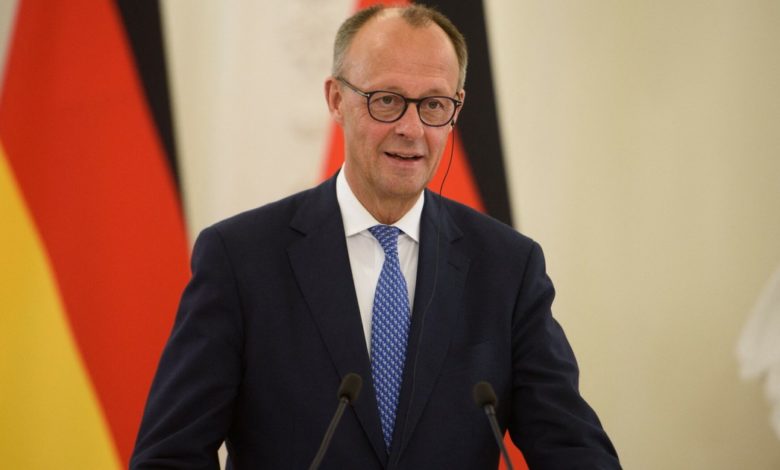
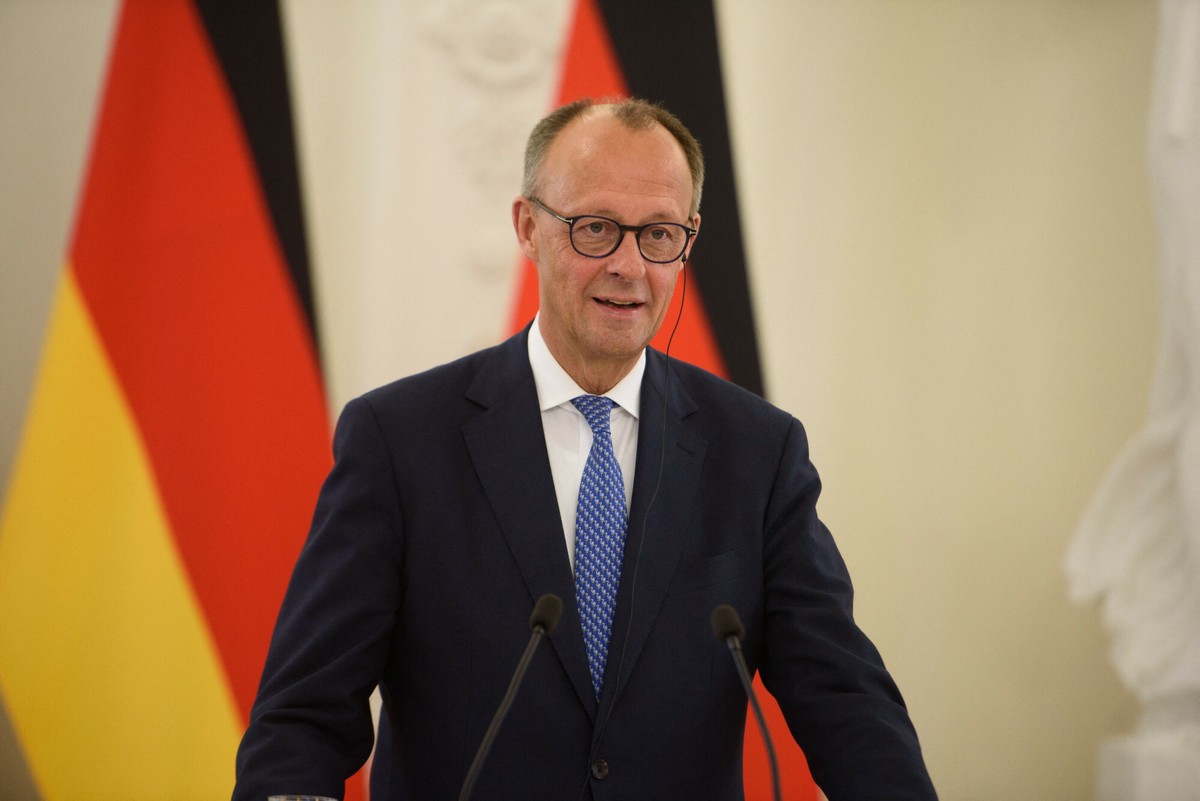
Friedrich Merz, a 69-year-old conservative who became the Chancellor of Germany on May 6, will go to Washington on Thursday to meet at the White House, said government spokesman Stefan Kornelius in a statement on Saturday.
Talking topics will include Russia's aggression on Ukraine, the situation in the Middle East and trade policy, said Kornelius.
Since its inception in Germany, Merz met with allies in France, Poland, Nordic countries and Ukraine. However, he failed to cross the Atlantic, despite the promise to improve relations with the Trump administration.
Tense relationships of Germany
The relations between Washington and Berlin are tense due to problems, from trade imbalance to support for Kiev. European leaders are afraid that the US president abandon the efforts to end Russia's war in Ukraine and reduce military support for the region – says Bloomberg.
Although the meeting will only take place a month after taking office, Merz has a chance to present his case to Trump, unlike his predecessor Olaf Scholz. The social democrat has never received an invitation to the White House after showing support to former US President Joe Biden and the Kamali Democrats candidate Harris – notes the agency.
An alternative for Germany and a trade surplus
Merz's meeting will take place a week after Foreign Minister Johann Wadephul went to Washington for talks with the American counterpart Marco Rubio. During the 45-minute meeting, both sides emphasized their joint position on Ukraine and Trade, Wadephul told reporters. Rubio did not participate in a press conference.
In addition to tensions associated with the German surplus from the USA, Trump's allies question the way the country treats the far -right alternative to Germany. Rubio called the decision about classifying the second largest party in the Bundestag as extremist “tyranny in disguise”.
Merz firmly rejected these accusations and called for American politicians to stay away from the national policy of Germany.
The Chancellor also suggested that the European Union may take retaliation against American technology companies if the commercial conflict is exacerbated.
Source: Bloomberg