From the backstage of Buckingham Palace. The story of the princess who “set fire” to her inattention room. Smoke like a miner and save lives like a saint

The fires broke out over the years in the British royal residences have left deep traces in the memory of the Windsor family. In 1992, a devastating fire seriously affected Windsor Castle, marking, according to Queen Elizabeth II, a “Annus Horribilis”-a year of personal and institutional work. A decade later, in 2002, a few art works were damaged following another fire, this time at Buckingham Palace.
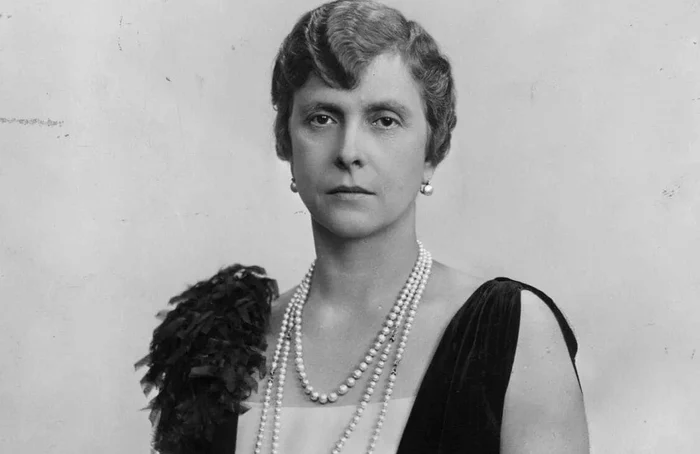
Princess Alice de Battenberg/PHOTO: X
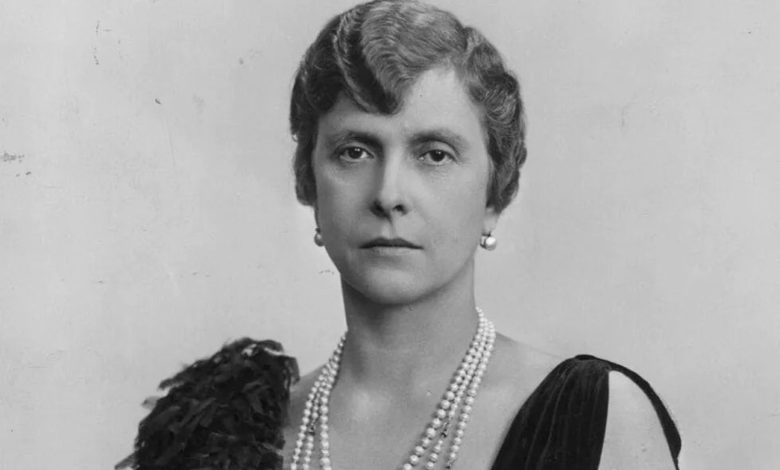
But long before these events, a lesser -known member of the British Royal Family – the mother of Prince Philip, Princess Alice de Battenberg – had arrived, according to some witnesses, to be known for “accidentally lit” in her palace apartment, through the 1960s.
The Royal Biographer Tom Quinn tells in his volume “Yes Ma'am” about this less known side of life behind the walls of the palace. Agnes Cooke, a former employee in the royal cuisine, remembers that Princess Alice, known as a worse smoke, used to smoke frequently in her apartment, along with a company as passionate about this vice. Smoke, jar or inattention – or all in one place – were leading to repeated incidents, says Cooke.
“He was a company lady very close to Princess Alice. They were talking and smoking, and the apartment was set so often that no one was surprised.”tells this. “And that lady, though she was from an aristocratic family, was walking through the palace with the cigarette behind her ear, like a miner or carpenter.”
The life of Princess Alice – born on February 25, 1885, at Windsor Castle, in the presence of Queen Victoria – is considered one of the most disturbing and remarkable in the history of European royalty. Diagnosed from childhood with congenital deafness, Alice has overcome her condition by learning to speak clearly and read on the lips in several languages.
At the coronation of King Edward VII, in 1902, he meets Prince Andrew of Greece and Denmark. A year later, he becomes his wife and a member of the Greek royal house. But the political disorders of Greece are forcing her to leave the country in 1921 – the year of her son, Philip.
In the 1930s, Alice begins to hear voices and claims to have intense religious visions
In the 1930s, Alice begins to hear voices and claim that she has intense religious visions, which bring her closer to Jesus and other sacred figures. She is diagnosed with schizophrenia and admitted to a clinic in Berlin, where she becomes a patient by Sigmund Freud. After liberation, he leads a modest life, living in pensions in Germany, before returning to Athens.
During the Nazi occupation, the princess remains in Greece, where, despite family ties with Germany, she refuses any collaboration with the Nazis. When a general gives him help, Alice responds simply and bravely: “You can withdraw your troops from my country.” Moreover, he hides a family of Jews, Cohen, just under the nose of the Gestapo. When interrogated, it uses its own deafness as a shield against investigators.
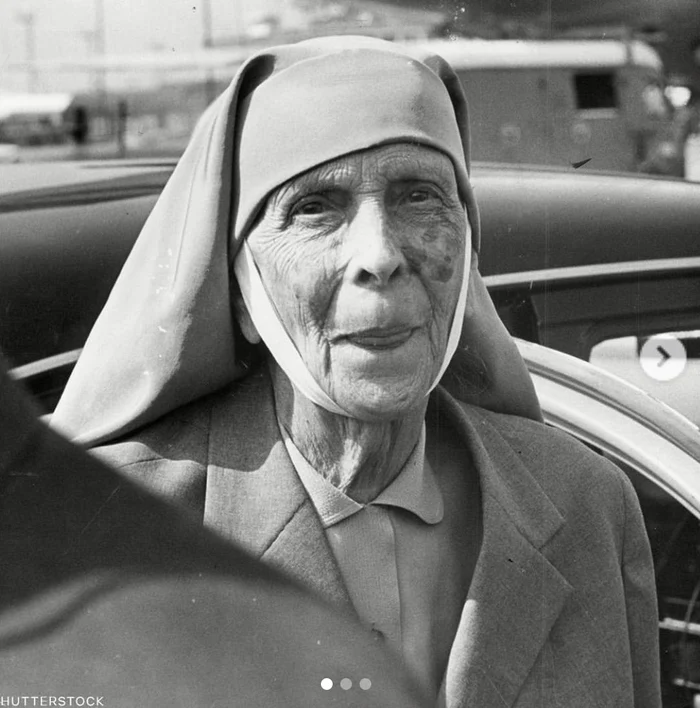
After the war, he offers diamonds from her own tiara so that her son, Philip, can give her a engagement ring to Princess Elizabeth. The rest of the jewelry sells them to set up an Orthodox religious congregation – Christian Sisterohood of Martha and Mary – becoming nuns.
When Charles, the future king of Great Britain, was born in 1948, Alice lived withdrawn on the island of Tinos. He continues to dedicate his life to the needy, building an orphanage and a monastery in a poor area of Athens. In 1967, he refuses to leave Greece despite the coup, ceding only after her son sends her a plane and a personal request from the queen.
He lives his last years of life in his apartment in Buckingham Palace, the same one who remembers that he often took fire because of cigarettes. He dies in December 1969, at the age of 84, and is buried at the Mount of Olives, in the crypt of the church in Ghețimani.