The “ban on” export “introduced at the beginning of Russia's full invasion was to ensure that all necessary military deliveries would remain in the country. To keep a fight with an enemy, which has much larger supplies, Ukraine needed all available weapons.
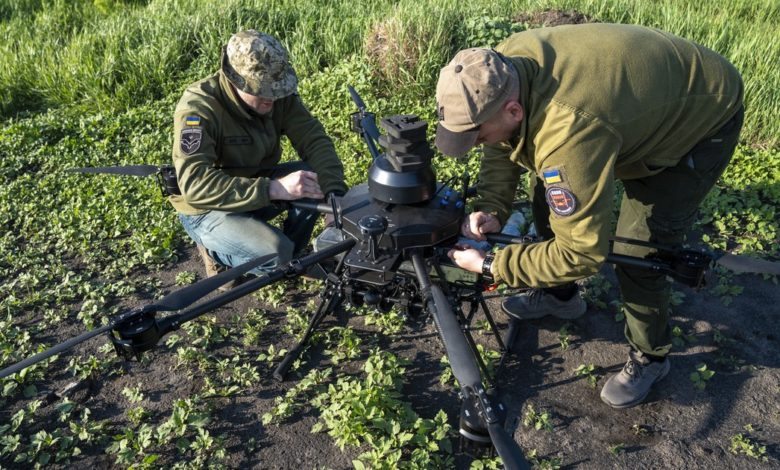
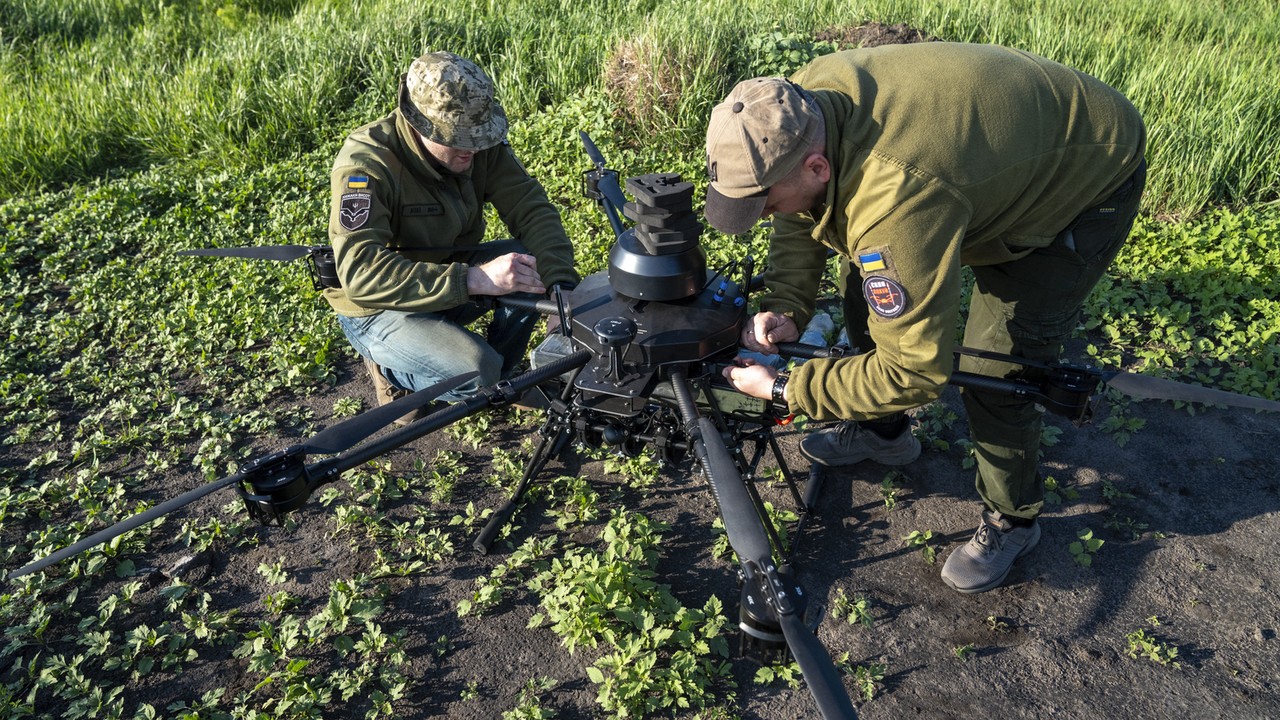
Over time, however, Ukraine's production capacity increased above the level of state -owned state and financial capabilities. It is estimated, for example, that the private defense sector is able to produce over 1.7 million drones and electronic combat systems more than today.
There are several ways to use this situation. One of the possibilities is the purchase of weapons from domestic producers by international partners on behalf of Ukraine – the so -called Danish model.
Another option is export. Supporters of this approach claim that duties and export income would provide a financial impulse for further development of new abilities, and would also increase funds to cover national needs through public procurement.
For the allies of Ukraine – in particular for Europe – it would open access to the skills and equipment tested in battle.
New defensive ecosystem
Of course, there are some fundamental counterarguments. In addition to the obvious necessity of careful selection of trade partners and technologies, intended for export to avoid operational risk, a type of defense products that Ukraine is willing to export, has consequences for buyers.
The war in Ukraine has accelerated significantly Innovation cycle. Drones, electronic means and unmanned land vehicles quickly become outdated. Evolutionary systems, although they provide technological advantage over the enemy, are not suitable for gathering in the event of a future conflict.
Continuation of the material under the video
In addition, the issue of exports of Ukrainian weapons also applies to the support of the new defense ecosystem of Europe.
European armies would achieve huge benefits from access to Ukrainian weapon production, which would allow them to train soldiers in the fight against the use of drones and include unmanned units in command structures, thus adapting to the realities of the modern war at low costs.
Benefits for the pages
On the other hand, over 40 percent Weapons currently used by Ukrainian forces come from domestic production, with great emphasis on innovative weapon systems. However, this industry must increase production strategic weaponsin particular maneuvering and ballistic missiles as well as strategic air defense – and in this respect cooperation with European partners and investments are most needed.
The good news is that the recent creation of an EU Defense Fund worth EUR 150 billion (PLN 637 billion) as part of the “Security for Europe” initiative (SAFE) enables Ukraine to participate in joint orders for defense equipment and incurring loans in partnership with EU Member States. Most importantly, these funds can be spent only on defensive products, of which at least 65 percent. components are produced by the EU Member State, Norway or Ukraine.
In this spirit, Kiev has already successfully established cooperation with European partners from the defense industry, such as Rheinmetall or Thales. If he manages to open the export of defense products now, he will be able to use the newly created EU program even more.
Since the suspension of weapons seems unlikely, there is still a need to strengthen the armed forces and the defense capabilities of Ukraine, while using the country's experiences to the European rearrangement of the armed forces.
The opening of the Ukrainian defense industry would allow further bureaucratic integration and cooperation with the EU, and would also allow Ukrainian economy to directly use European reinforcement.
I’m Ashley Davis as an editor, I’m committed to upholding the highest standards of integrity and accuracy in every piece we publish. My work is driven by curiosity, a passion for truth, and a belief that journalism plays a crucial role in shaping public discourse. I strive to tell stories that not only inform but also inspire action and conversation.