An oncologist puts a “forbidden” ingredient daily in coffee. The silent weapons that turn the plate into the drug

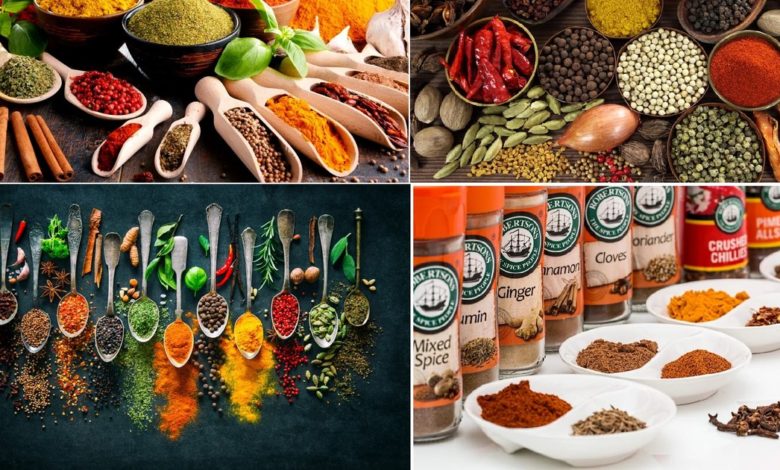
In an era in which the cancer continues to be the fiercest challenge of modern medicine, a surprising new ally begins to make its way in the fight against this ruthless disease: our plate. More than chemotherapy or radiotherapy, the healing power of nutrition – especially of plants rich in polyphenols, herbs and spices – it turns out to be a subtle but extremely effective weapon.
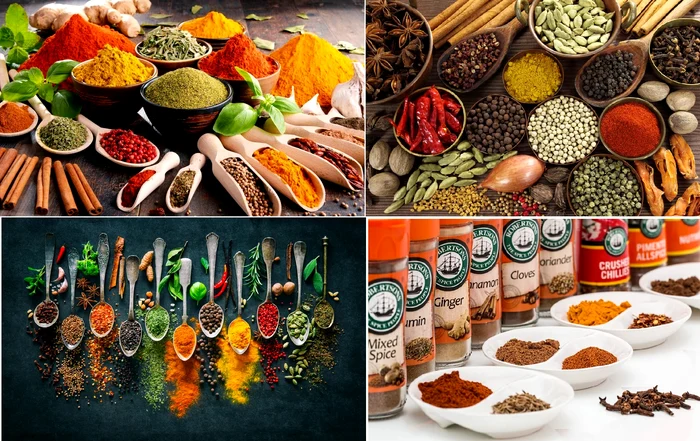
The spice in the pantry, the unbeatable weapon against cancer Archive Adevărul
World-renowned specialists reveal how a 100% vegetable diet, loaded with anti-inflammatory and antioxidants, may not only prevent cancer, but also support conventional treatments, turning each meal into a battle won. In this new chapter of integrative medicine, nutrition is not just food – it is a promise of hope, survival and revolution.
Polyphenols-key micronutrients who turn diet into anti-cancer weapon
In the fight with the most ruthless disease of the modern era, not just chemotherapy or radiotherapy matters. More and more American oncologists raise a flag of prevention, emphasizing the hidden power of food. And not any food – but one with a controversial reputation, but with effects demonstrated in cancer protection.
Dr. Michael Dominello, radiotherapist oncologist at the prestigious Barbara Institute Ann Karmanos, makes a surprising plea: nutrition is not just for carbohydrates, proteins and fats. Essence is in micronutrients who can turn a regular mass into a biochemical weapon against cancer. Among them, polyphenols – natural compounds from vegetables, fruits, nuts, seeds and spices – are the real stars.
What makes them so special? Studies show that polyphenols have a double power: fight against oxidative stress and reduce chronic inflammation, two key factors that favor the development of tumors. Moreover, they can trigger the selective death of cancer cells, without affecting healthy tissues – a rare and extremely valuable performance in oncology.
The secrets of an anti-cancer morning. The polyphenolic ritual of an expert; cocoa and blueberries
Every morning, Dr. Dominello begins his day with a double dose of defense: two tablespoons of pure cocoa, rich in flavonoids, added in coffee, accompanied by a generous hand of blueberries, one of the richest natural sources of polyphenols. A simple routine, but with a huge potential impact on health.
right World Health Organization, Between 30% and 50% of cancer cases could be prevented by a healthy lifestyle, and nutrition is the key to this strategy. If each meal becomes a small battle won against the disease, then the polyphenols are allies we should not ignore.
In a world where cancer remains a huge challenge, it may be time to look more attention to what we put on the plate-because sometimes, the strongest solutions come in simple ingredients, at the first hour of the day.
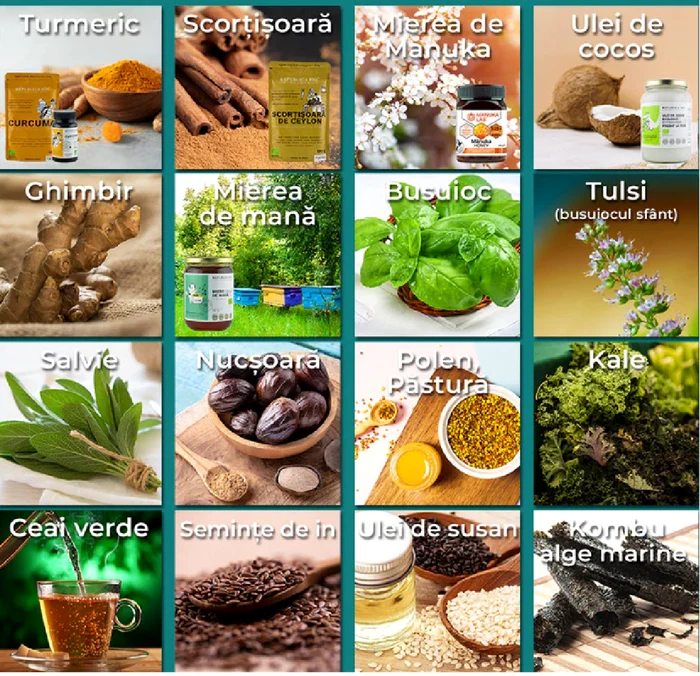
Foods with a strong anti -inflammatory role photo Bio Republic
Anti-Cancer Plant Revolution: 100% vegetable diet that saves lives
Dr. Dawn Mussallem, Integrative Oncologist at the famous Mayo clinic and scientific member Im8 -An international group of experts who guide the development of science-based supplements within the brand founded by David Beckham-redefines the fight against cancer through a food philosophy that exceeds prevention.
Survivor of cancer in stage IV and beneficiary of a heart transplant, Dr. Mussallem owes the vitality of a 100% plant -based diet – a true secret weapon in maintaining the body's resistance.
In its vision, chronic inflammation – a dangerous state in which the immune system always remains on alert – creates a land conducive to the development of tumors. The solution? A diet rich in anti -inflammatory compounds such as polyphenols, present in legumes, nuts, green leafy vegetables (spinach, kale), crucifers (broccoli, cabbage) and berries.
Studies confirm that substances such as quercetin, resveratrol and epigalocatechin not only slow down the proliferation of cancer cells, but also stop metastases and activate the natural self -destruction processes, protecting against aggressive types of cancer.
Early Education Education: The key to preventing cancer in children
Another pioneer of this movement is Dr. Latonya Riddle-Jones, an internist and pediatrician at the Barbara Oncology Center Ann Karmanos, who transforms the theory into creative practice: he cultivates his own vegetables, which he integrates into smoothies and sauces for the little ones to consume without any resistance.
For Dr. Riddle-Jones, early food education is not only a personal health measure, but an essential investment in the future of public health, thus changing generations through the power of plants.
An anti-cancer diet-more than a lifestyle, a manifesto of hope and survival.
Herbs and spices: silent allies that can transform anti-cancer struggle
Beyond vegetables and fruits, a new front opens in the battle against cancer – that of herbs and spices, the secret secret, these silent heroes with a huge power. Dr. Dawn Mussallem recommends that we add them daily to the plate: turmeric, cinnamon, ginger, garlic, basil or rosemary – not only for flavor, but also for their remarkable anti -inflammatory properties.
Turmeric, in particular, hides in its root a true biochemical weapon: curcumin. This versatile polyphenol influences the expression of genes involved in inflammation and blood vessels that nourish tumors. Rigorous research, such as those published in International Journal of Functional Nutritionconfirms that polyphenols are not only simple antioxidants but “attack” key molecular mechanisms responsible for tumor cell growth.
Moreover, unlike some harsh chemotherapy drugs, polyphenols act selectively, reducing side effects and increasing tolerance in combined therapies – a real step forward in integrative medicine.
The secrets of a plant -based diet are not only in the elimination of animal products, but in the molecular richness that offers a huge therapeutic potential, still insufficiently exploited. The introduction of a food rich in polyphenols at each meal is not an impossible ideal, but a clear, accessible and deeply sustained strategy – a piece of resistance in the fight against cancer.