Plastic and chemical compounds that are associated with it are everywhere. In the air, water, our blood and everyday objects.
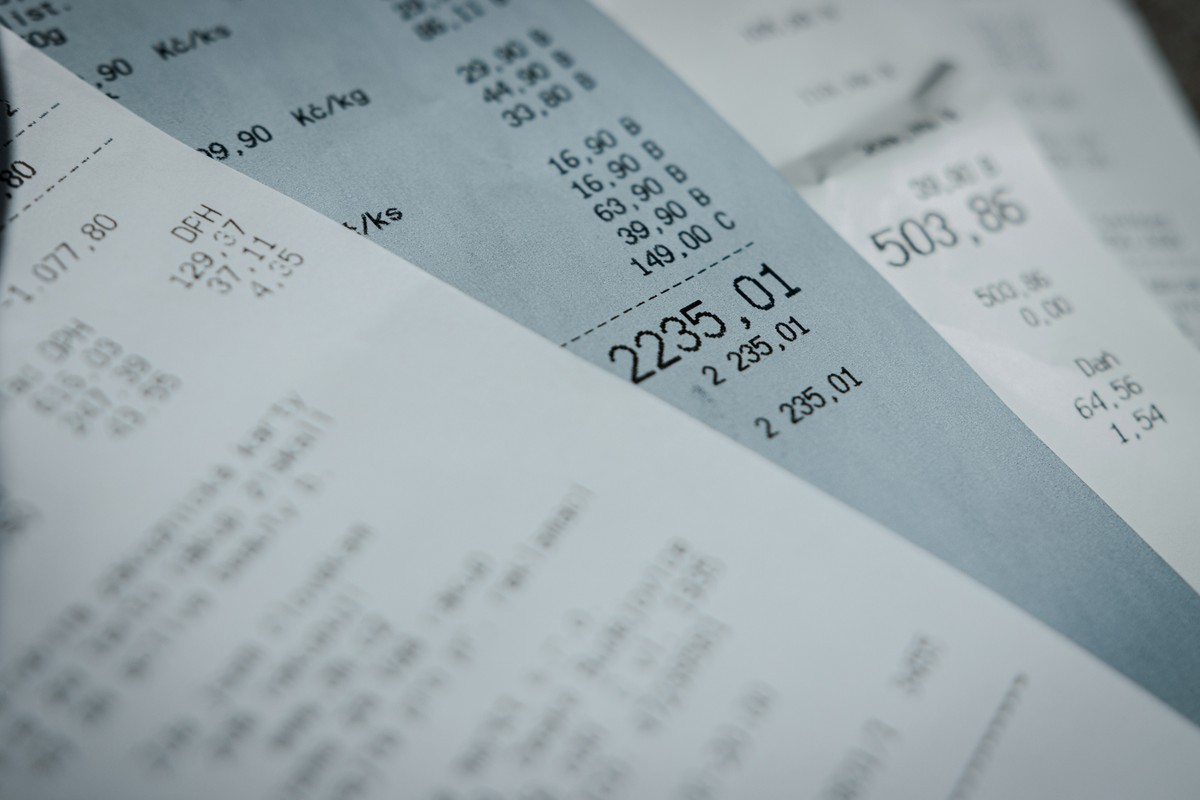
Researchers, such as Dr. Leonardo Trasande from Nyu Langone, know perfectly well how non -obvious places these substances can hide. One of them is receipts that we get at the cash register in grocery stores, at gas stations, restaurants or boutiques.
– We do not perceive receipts as plastic, but this shiny coating on them is a polymer – explains Trasande, a pediatric professor and environmental health researcher. This is what raises the most anxiety of Trasande.
Read also at Business Insider
Coating it directly contact with the skin and transmits harmful substances.
– Where there is plastic, there are also chemicals that arise – says.
As soon as he has the possibility, the trasande chooses digital receipts, sent by e-mail or SMS.
Toxic substances on receipts from the store
Most of the receipts are printed on thermal paper that uses heat -activated mascara. Such technology is fast and cheap, which is why commonly used in gastronomy and trade.
The problem is that thermal paper usually contains bisphenols, i.e. a group of chemicals used for the production of plastics.
The best known of them, BPA, was associated with heart disease, reduced fertility, breast and prostate cancers, and children with asthma and neurological development disorders. Over the past 10 years, BPA has been gradually eliminated from American products, including receipts.
However, as research shows, Many producers began to replace Bishop with his close relative, BPS. This compound is banned in food in food for food, and in California it has been considered a substance harmful to fertility and was associated with breast cancer.
The latest research indicates that Skin contact with a receipt containing BPS can lead to rapid penetration of this compound into the body.
This year, the Center for Environmental Health has tested receipts from 32 large commercial networks in the USA. It was established that 10 seconds of contact with such a receipt is enough to exceed the exposure threshold, which in California requires marking with a warning. In April, CEH sent a formal legal notification to these companies, citing the State Act Proposition 65 regarding carcinogens and toxic substances.
– Chemicals used in plastic must undergo proper safety tests – emphasizes Trasande. – Since we know that some are toxic to human health, we should use safer alternatives – he adds.
He calls digital receipts “an important step forward”.
At the root of the threat is, of course, plastic. Although, as Trasande admits, we know more and more about the harmfulness of individual chemicals in plastic, it Developing research on the ubiquity of plastic itself in the human body also does not fill with optimism.
Plastic objects surrounding us, at home, work, school or even outdoors, fall into a microplastic with time, and then even smaller particles – nanoplastik.
These microscopic particles accumulate in the human body. They were found in almost all tissues that were tested, from brain on the arterial wall. Although their full health effects are not yet known, they are combined, among others with chronic inflammation, lung and large intestine, reproductive disorders and increased risk of heart attacks and strokes.
“I can't influence everything,” admits the trasande. – But there are numerous ways to limit contact with dangerous chemicals, especially micro- and nanoplastik- he adds.
One of such activities is just giving up paper receipts.
In the long run, however, Trasande sees the need for global changes. If nothing changes, the production of plastic by 2060 can triple – warns the UN environmental program.
A salvation can be a global treaty with a plastic reduction. According to the UN Reuters agency, negotiations will resume in this matter in August.
The above text is a translation with American Business Insider edition