Long life begins in the intestine: microbiota, invisible shield that stops aging and guarding the mind and muscles

In recent decades, the science of aging has made spectacular progress. Although the average life hope has increased more in the last few hundred years than in the whole history of mankind, longevity does not automatically mean a life in good health.
Microbiota, invisible shield that stops the NewMedicine RO photo aging
More and more, researchers talk about a new ideal: “The years without disease” – A perspective that is no longer limited to living longer, but aims to teach us how to grow old.
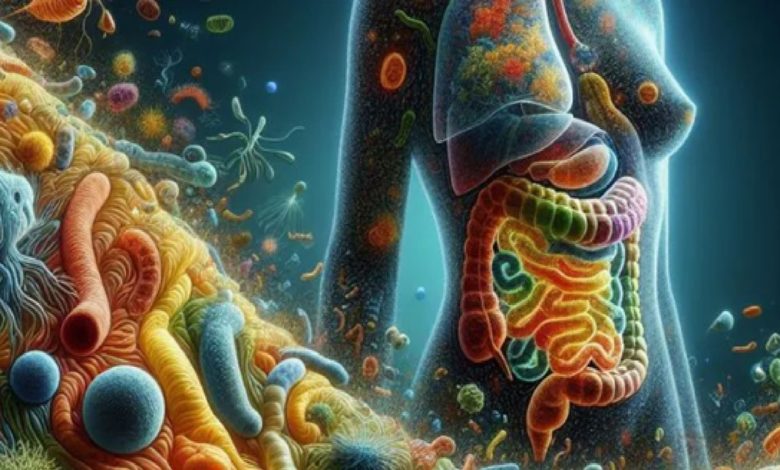
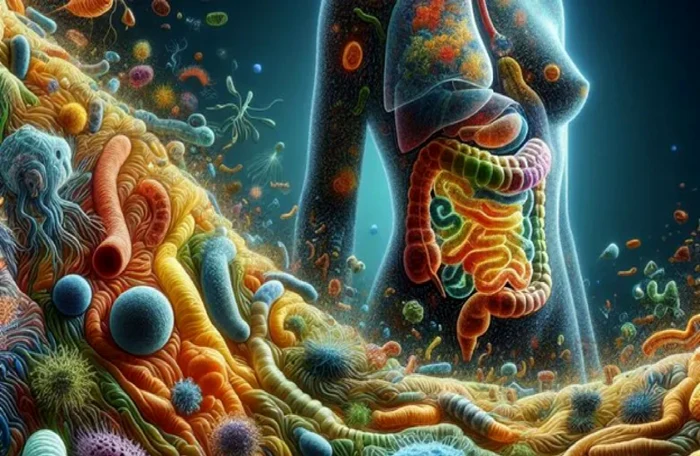
At first glance, it seems that we are talking about two different worlds, but the truth is that the microbiota – the whole of microorganisms living in our body – influences almost all vital functions. When this fragile balance breaks, the effects propagate in the chain, affecting the whole body.
The invisible key to longevity, memory and healthy aging
One of the international experts in the field, Débora Nuevo – specialist in aging and microbiota – explains on his Instagram account: “The secret of a healthy aging is not in supplements or creams, but in the intestinal microbiota. The microbiota, those millions of microorganisms with which you live, not just improves digestionbut regulates the immune system and controls inflammation – the main cause of the associated diseases of aging ”.
Recent studies confirm this connection: a diverse and balanced microbiota is associated with multiple benefits – from increased longevity and better memory, to slowing down the cell aging process.
And the explanation, says the expert, is simple: microbiota can modulate chronic inflammation “Silent”low intensity, which accelerates the degradation of the body with age. So, if we want to live longer and better, we must start with an essential thing: to take care of the intestinal health, our microbiota – the source of a life full of vitality, mental clarity and balance. Because the microbiota seems to be the key to longevity, as the study conducted on the most long -lived woman in Spain, María Brayas, who lived 117 years.
“Microbiota slows aging if you include oats, asparagus or artichokes”
Recent research draws an alarm signal: the elderly with reduced microbial diversity, especially those with a deficiency of beneficial commensal bacteria (microorganisms that live naturally in our body, especially in the intestine, without causing diseases), as Faecalibacterium prausnitziiseem more prone to chronic inflammation of low intensity. This, seemingly silent state, is associated with an increased risk of serious conditions such as atherosclerosis, sarcopenia (loss of muscle mass) and cognitive decline.
The microbiota does not only influence the immune system, but plays an essential role in the synthesis of amino acids, as well as in the metabolism of the tryptophan, a key precursor of serotonin. Although the evidence is still being consolidated, more and more studies suggest a connection between dysbiosis (the imbalance of the intestinal microbiome) and the appearance of fragility and muscle loss in the elderly.
Feed your microbiome with prebiotic and probiotic foods
In this context, Dr. Débora Nuevo recommends simple but strategic interventions in food: introduction of prebiotic foods – such as asparagus, oats or artichokes – that feed the good bacteria in the intestine. At the same time, the natural sources of probiotics should not be neglected, such as yogurt – recognized as the food that hides the secret of longevity – or the chef.
Another essential step is the drastic reduction in the consumption of ultra-processive foods and refined sugars, true enemies of a healthy microbiome.
In certain situations, supplementation with specific probiotics could prove beneficial-a sustained opinion and recent data from the literature. Studies show that administration of prebiotics in older adults has a positive effect on cognitive function, confirming an increasing reality: what we eat does not influence only digestion, but also mental clarity and quality of life.