The food that helps us live longer. The study that reveals the three wonderful diets that can help us to keep us from diabetes and cancer


Specialists have identified three types of diet that can help us get healthy. Moreover, studies show, these eating habits can keep our life of diabetes, cadiovascular diseases and dementia.
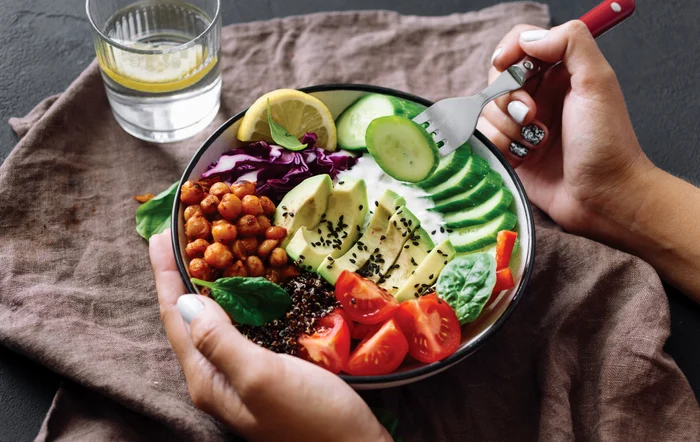
Alternative Diet Index Photo Shutterstock
What we eat can prolong us or shortly life. In addition, he will decide our fate in old age. Experts say that a proper diet can ensure a life without disease at least until the age of 70. Moreover, it can greatly prolong our life. But what we need to eat to get rid of chronic diseases, also caused by diet, such as diabetes, cardiovascular disease, dementia or even cancer. A recent study by the Swedish specialists from the Karolinska Institute of the Swedish University of Solna shows that three diets are truly effective in combating chronic diseases, preserving health to deep old and for increased longevity.
Unhealthy food means a tormented old age
Eating is a natural process, essential for the maintenance of life in human beings. Eating habits have changed over time. Scientists say we got to eat more and more unhealthy. Due to unhealthy nutrition, say specialists, we risk getting sick of severe chronic diseases such as diabetes, high blood pressure or dementia. The study conducted by Swedish researchers at the University of Solna and published in the specialized magazine “Nature Aaging” shows that most health problems, especially at the third age, are caused by unhealthy eating.
The authors of the study focused on the connection between nutrition and chronic diseases in older adults. An entire palette of quadriovascular, neuropsychiatric and musculoskeletal diseases has been analyzed. For the analysis of the human subjects, the data from the Swedish national study on aging and care in Kungsholmen (SNAC-K), a long-term register that follows health indicators, medical history and cognitive tests among adults, were analyzed. More than 2400 elderly adults participated in the tests that had an average of 71.5 years at the initial moment. Scientists have used accumulated data over 15 years to examine how diets have influenced the accumulation of chronic diseases.
Obviously, the subjects were divided into categories, depending on their eating habits. Some preferred, for example, a Mediterranean diet, others rich in red meat and ultra-processive foods. Studying the effect of the diet on chronic diseases, researchers found that people who had healthier diets have tended to develop a slower progression of chronic health problems or have been protected from chronic diseases. In contrast, participants who consumed a pro -inflammatory diet have been more likely to develop multiple chronic diseases. Following the study, three diets were noted that contributed decisively to improving the health status of the subjects.
Mediterranean diet, clean health
The diet that gave the best results, that is, improved or maintained the health status of the subjects, proving special results in the prevention of serious chronic diseases, was Mind (Mediterranean-Dash Intervention for Neurodegenerative Delay). In short, a diet focused on the consumption of fruits, vegetables, whole grains and healthy fat. Foods consumed by the peoples of the Mediterranean basin, especially Italians, French, Spanish and Greek are used. At the same time, the recipes of Mediterranean peoples are combined with the principles of DASH (Dietary Approaches to Stop Hypertension), specially designed to prevent high blood pressure.
The DASH diet focuses on fruits, vegetables, low fat dairy products, whole grains and weak proteins, while limiting sodium, saturated fats and added sugars. Emphasis is placed on plant -based foods that are minimally processed, limiting at the same time foods of animal high in saturated fats and added sugars. For example, the foods that are recommended to be consumed regularly are: green or green vegetables (spinach, cabbage, kale, salad, etc.), other types of vegetables (for example, broccoli, carrot, etc.), berries, beans, walnuts, integral cereals (oats, quinoa, brown sugar) olives. The foods to be limited are: red meat (beef, sheep, hunting), butter, cheese, fried food, sweets and foils. Avoid fast food products. This diet was designed to be very flexible precisely to allow variations based on each and needs.
AMED, the food score that is evaluating your health
The second type of diet, with extraordinary results in the study by the Swedes, is based on the AMED (Mediterranean Diet alternatives). It resembles the Mind diet, offering a food score that evaluates the observance of a Mediterranean consumption model, especially in the populations outside the Mediterranean region.
It is an adaptation of the traditional score of the Mediterranean diet, focusing on the consumption of foods based on herbs, fish and healthy fats, while limiting the consumption of red and processed meat, as well as the consumption of alcohol. AMED score usually varies from 0 to 9. Higher scores indicate a higher adaptation to the Mediterranean diet. Each component is evaluated according to the foods consumed by each individual. The higher the score, the higher the eating of an individual. Large scores can be obtained by consuming, for the most part, all the foods described on the Mind diet, focusing on limiting the consumption of alcohol. We are not talking about vices like smoking.
Harvard's diet of specialists
Experts in medicine and healthy eating from the prestigious Harvard University have developed a food model entitled AHEI (alternative Healthy Eating Index) that is based, like the Mediterranean diet, more on vegetables and fruits, but also on healthy fats and proteins. Ahei means “healthy alternative eating index” and emphasizes foods related to chronic disease prevention. The high consumption of vegetables, fruits, whole grains, nuts, legumes and healthy fats are encouraged, limiting the consumption of red and processed meat, sweetened drinks and sodium.
Ahei scores are used to assess diet quality. The Ahei diet, as studies, is associated with a much lower risk of cardiovascular disease, type 2 diabetes and even some types of cancer. In conclusion, the best diets for a longer life and an older and active old age are those developed by specialists to combat chronic diseases, vegetables, whole grains, fish, chicken and olive oil.