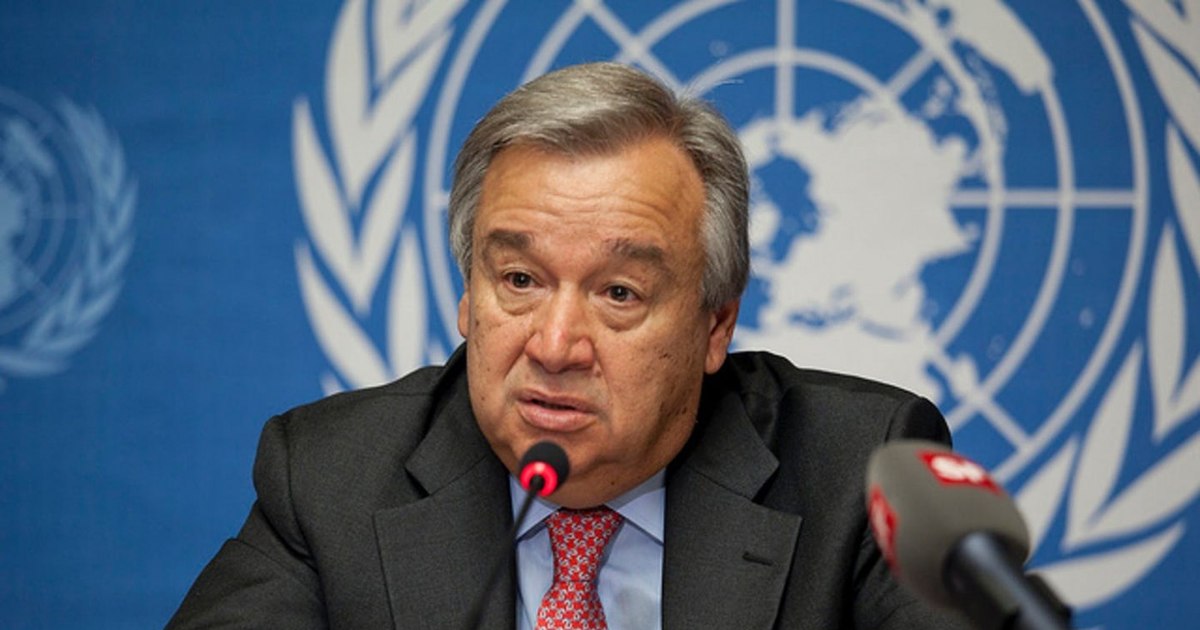
Reuters: Challenges for Nicușor Dan. New President, in front of the largest EU budget deficit


The victory of Nicușor Dan at the presidential elections in front of his rival George Simion has avoided, at least for the moment, a possible Eurosceptic deviation of the country, reports the international press. Markets reacted with optimism, and JPMorgan analysts called the result of a “Step back from the edge of the precipice”.

Nicușor Dan is the new president of Romania. Photo: Mediafax
However, the challenges are just beginning for the new president, writes Reuters. Nicușor Dan has to form a government capable of reducing the largest budget deficit in the European Union (9.3% of GDP in 2024) and implementing austerity and income increases to restore the fiscal balance.
“The victory of Nicușor Dan relaxes the political scene and supports the alignment with the EU”, said Brian Marly, the main analyst at the Scope rating agency. “But major challenges remain: increasing fiscal deficit, poor absorption of European funds and arrears in reforms.”
Despite the fact that Romania has one of the lowest levels of government revenues related to the EU GDP, Nicușor Dan has excluded tax increases, preferring to focus on attracting European funds and reducing the waste in the public sector. But previous austerity measures, such as discounts, have generated protests, and salary or pensions cuts could lead to severe social reactions.
Last year, Romania went through four rounds, and the significant increases in salaries and pensions in the public sector have fueled inflation, maintaining the reference interest rate at 6.5% – the highest in the EU, equal to Hungary.
Confidence in the future government
In order to obtain a parliamentary majority, the new government will have to include at least three of the four pro-EU parties. At the same time, the far right could exploit the dissatisfaction generated by any budgetary cuts.
The new executive-which could be formed in the next 3-4 weeks-has a short break for decisive actions. Some investors are confidently looking at Nicușor Dan's experience in stabilizing the capital's finances during the period when he was a general mayor. Also, the preferred name for the position of prime minister, Ilie Bolojan, brings more confidence in the markets.
“We have entered this round of elections with a favorable position, and now we believe that the pro-reform president and prime minister can make the changes necessary to reduce the imbalances and attract the European funds,” said Alexandru Ursu, senior vice president of the debt division in emerging markets at Neuberger Berman.
The international bonds of Romania increased by up to 3 cents, and the lion appreciated by over 1%, moving away from the historical minimums. JPMorgan has changed the exposure on the international bonds of Romania from “Underweight” TO “Weight”, and for local government bonds, from “Weight” TO “Overweight”. ING said that the national currency could be the main beneficiary, setting a new technical threshold for 5.05 lei/euro.
Public debt will continue to grow
However, the economic growth of Romania has been constantly faded since the post-pandemic return of 2021. The European Commission forecasts a budget deficit of 8.6% in 2025 and 8.4% in 2026-far from the 7% government target established in the 7-year fiscal plan approved by the EU. The Commission warns that, although the fiscal plan could significantly reduce the deficit if applied correctly, the public debt – which has grown by almost a fifth of GDP in 2019 – will continue to grow.
Romania is currently maintained at the minimum limit of investment rating from S&P, Fitch and Moody's, all with a negative perspective. S&P warned in a bulletin on May 8 that, regardless of the result of the elections, the political decisions in Romania will become more fragmented and unstable in the coming months.
“After the initial rally of the bonds, the market will require concrete evidence from the Government regarding the fiscal reforms to avoid negative reactions from the rating agencies,” concluded economist Ing Frantisek Taborsky.