The shipping sector faces the need to find new fuel sources after most countries have supported activities aimed at achieving the goals of the International Maritime Organization regarding the elimination of carbon dioxide emissions by 2050 – writes Reuters.
So far, zero emission sailing fuels, such as green ammonia and e-masteanol, which are produced using renewable energy, were usually more expensive than conventional fuels, mainly because they are not produced on a large scale.
“We expect that around 2035 we will achieve price parity with fossil methanol,” said Reuters Knud Erik Andersen, General Director of the European Energy company.
The new factory, located in Kasso in southern Denmark, the cost of which was estimated at EUR 150 million, will produce 42,000 metric tons, i.e. 53 million liters of e-Methanol per year, as co-owners reported, Danish company European Energy and Japanese company Mitsui.
Maersk's main customer
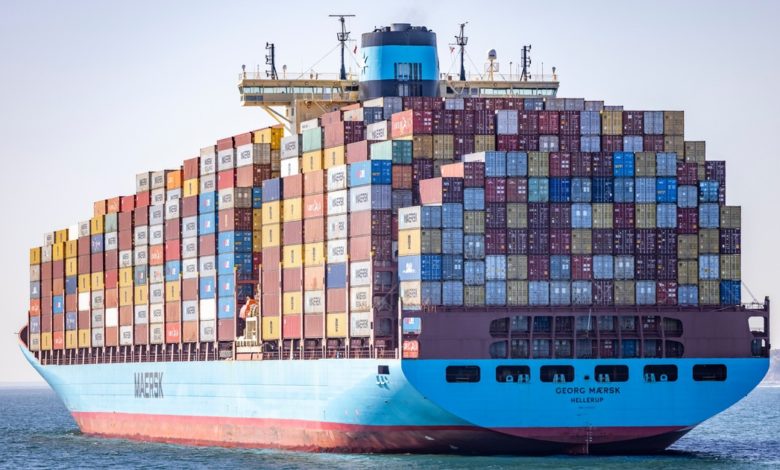
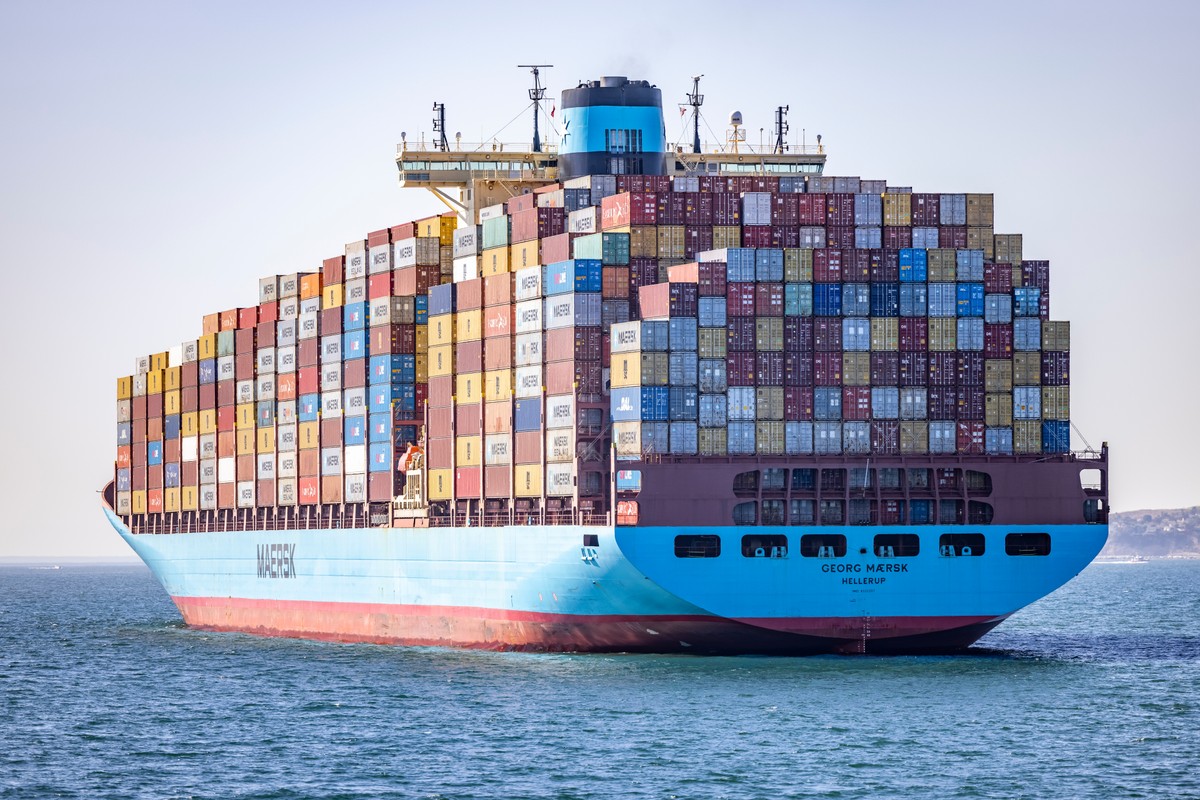
Maersk will be the main customer of the Kasso plant. The company serves 13 two-fuel container ships for methanol, which can be powered by heating oil and e-methanol, and ordered another 13 ships.
The company stated that the annual production of the plant is enough to supply one large container ship floating between Asia and Europe. However, in the case of a smaller ship you need only 3600 tons of fuel per year.
Traditional methanol is usually made of natural gas and coal. The plant in Kasso will produce e-molanol using renewable energy and CO2 captured from biogas plants and waste burning.
Maersk said that one of the biggest challenges of switching to sustainable fuel are costs and conducts research on green fuel technologies and more efficient sailing to make this process cheaper.
Manufacturers of Ozmpic and LEGO focus on green energy
In addition to use in transport, e-masteanol can replace fossil methanol in plastic production.
The manufacturer of Ozmpic, Novo Nordisk, will use e-masteonol from a plant for the production of injected, and the LEGO toy manufacturer-for the production of plastic elements.
Excess heat generated during e-methanol production will be used to heat 3300 households in the area.
Source: Reuters