American cities literally slowly fall underground. Here is 13 that disappear the fastest

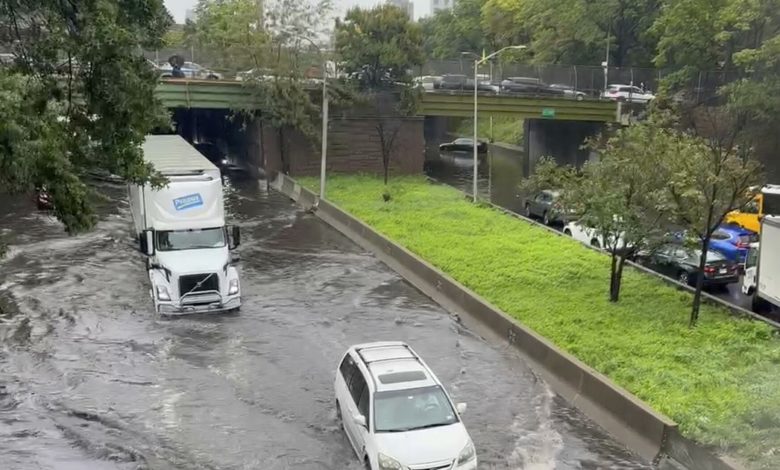
The rising sea level is not the only problem that coastal cities in the USA struggle with. Many of them … fall under its own weight. This phenomenon is called subsidies and can seriously increase the risk of flood, especially in the era of climate change.
Although the collapse of the ground can be associated with dramatic landslides, it is actually a slow but no less dangerous process. Some cities lose only a fraction of a millimeter a year, others even 6 mm, i.e. a few centimeters per decade.
Read also at Business Insider
There are many reasons: from the burden of skyscrapers, through excessive pumping groundwater, to the effects of the last glaciation. And the consequences? Already serious and can get worse. According to the latest estimates, up to $ 109 billion. The property will be found until 2050 in the regular flooding zones during tides.
However, there are also good news. “This is a threat that we can still manage effectively – and without astronomical costs,” says Dr. Manoochehr Shirzaei, a geophysicist from Virginia Tech, author of the latest study published in “Nature”.
Here are 13 American cities that – as satellite data show – settle the fastest.
Boston, Massachusetts
In Boston, the pace of soil collapse varies significantly depending on the district.
In some parts of the city, the ground decreases by only 1 mm per year, in others up to 4 mm, i.e. 4 cm per decade. Such unevenness is a serious challenge for engineers, because the differences in levels can damage bridges, pipes or building foundations over time.
New York
New York loses an average of 1.5 mm high per year. Sounds little? On a scale of decades, it makes a huge difference, especially since the city is already fighting more frequent floods.
What's more, all three New York airports are also settling:
- JFK – 1.7 mm/year
- Laguardia – 1.5 mm/year
- Newark – 1.4 mm/year
Laguardia has been defending against water for years: pumps, retaining walls and tight flood doors have been installed there. Still Some estimates say that by 2100 part of the airport may be under water – and without taking into account the effects of subsidies.
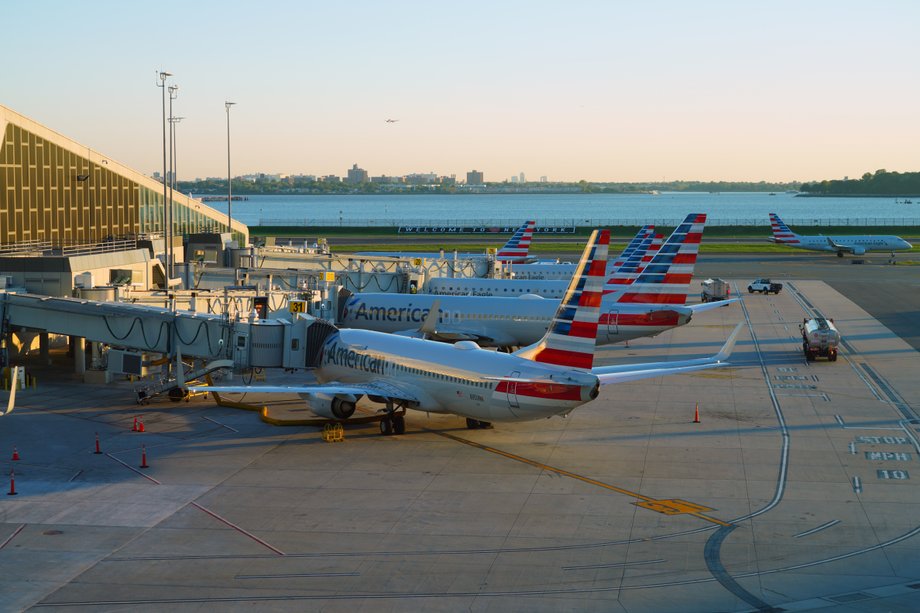
Laguardia airport
|
Eqroy / Shutterstock
Jersey City, New Jersey
Right next to the other side of the Hudson River, Jersey City also records an annual settlement of 1.5 mm.
It is thanks to the given radar satellites (Insar method) that scientists managed to measure the movements of the land with such accuracy. In many places they are almost imperceptible to the naked eye – but not for precise sensors.
Atlantic City, New Jersey
The popular city of gambling and summer trips – Atlantic City – is even faster: almost 3 mm per year.
Why? In part, this is … the last ice age.
When a huge laurentide glacier was covered with a significant part of North America thousands of years ago, his weight pushed the surrounding areas up. Today, after its resignation, the Earth gradually “settles”-this process continues, especially in the central and east of the country.
Virginia Beach, Virginia
Virginia Beach falls at a rate of 2.2 mm per year. At the same time, the growing level of seas is becoming more and more worried about the inhabitants. In 2021, they voted for the implementation of $ 568 million. infrastructure program, which is to protect the city from the effects of rising water.
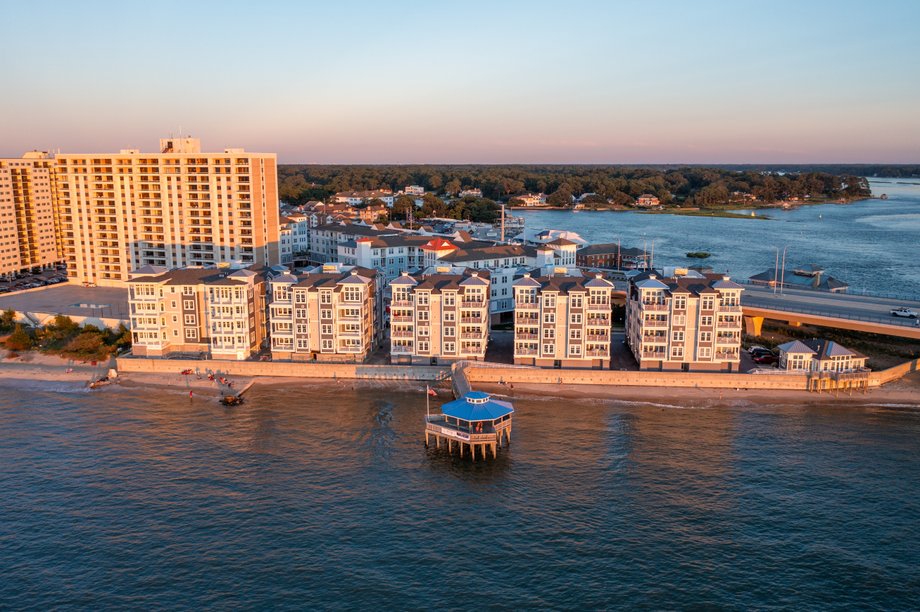
Virginia Beach
|
Kyle j little / shutterstock
Charleston, South Karolina
The largest city of South Carolina lies on the peninsula between the Ashley and Cooper rivers. The average rate of land settlement in Charleston is 2.2 mm per year, but in some places reaches up to 6 mm.
Savannah, Georgia
Savannah loses almost 2 mm a year, with the most endangered areas of settling reaches 5 mm. According to the analysis of the First Street Foundation, over 13,000 real estate in the city, i.e. over 23 percent houses are at risk of flooding over the next 30 years.
Miami, Florida
A study published last year showed that luxurious skyscrapers on the barrier islands around Miami are slowly falling – perhaps due to vibrations caused by nearby buildings. According to Dr. Shirzaei, the continental part of the city is also collapsed – at a rate of about 0.5 mm per year.
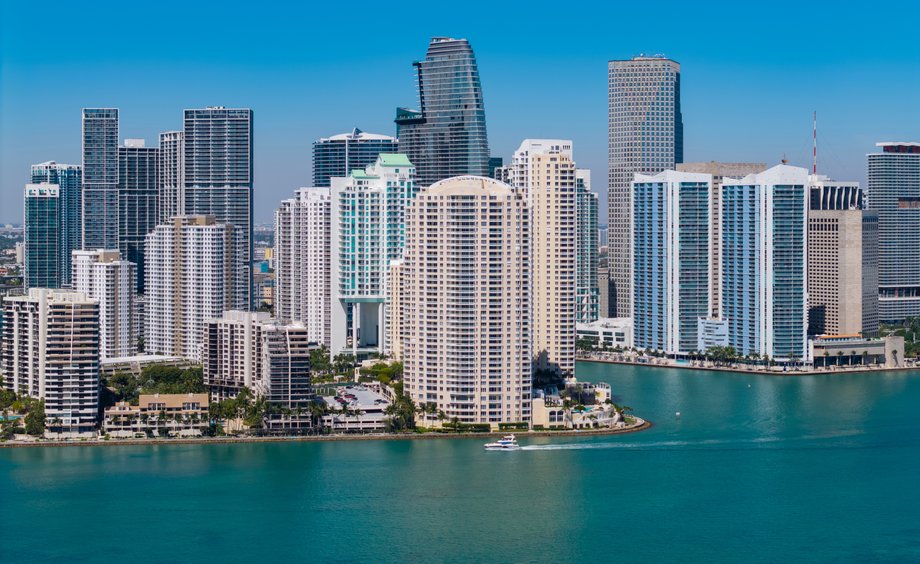
Miami
|
Just dance / shutterstock
Mobile, Alabama
Mobile loses 1.87 mm per year. This coastal city is one of the most rainy in the entire United States. On their official website, the city authorities recommend residents to have wrestling in cans and flashlights in the event of a flood.
Biloxi, Mississippi
Biloxi experiences the most violent subsidies among all the cities studied in the USA. The average settling rate is 5.6 mm per year, but in some districts it reaches up to 10 mm.
New Orlean, Louisiana
The new Orlean loses 1.3 mm per year. According to First Street, as much as 99.6 percent Real estate in the city is in the flood risk zone over the next 30 years.
Houston and Galveston, Texas
In Galveston, the soil settling rate exceeds 4 mm per year. Also inland, in Houston, the area has been collapsed for decades – mainly due to excessive groundwater intake.
Corpus Christi, Texas
In Corpus Christi, Earth collapses almost 3 mm a year. According to the local ABC station (KIIV), according to some researchers, the exploitation of oil and gas deposits may be the reason. – We think that mining can start movements along geological faults that lead to land settlement – said prof. Mohamed Ahmed, a geophysicist from Texas A & M-Corpus Christi.
See also: After nine years, Michał returned to Poland from New Zealand. “I did not expect such a slow recruitment pace”
What about the west coast?
Shirzaei's team did not find significant subsidies in the coastal cities of California. The situation in Central Valley is different, where the Earth collapses, among others as a result of groundwater intake.
In the case of Oregon and Washington, there is no more accurate data to determine what is happening with the local ground.
The above text is a translation with American Business Insider edition