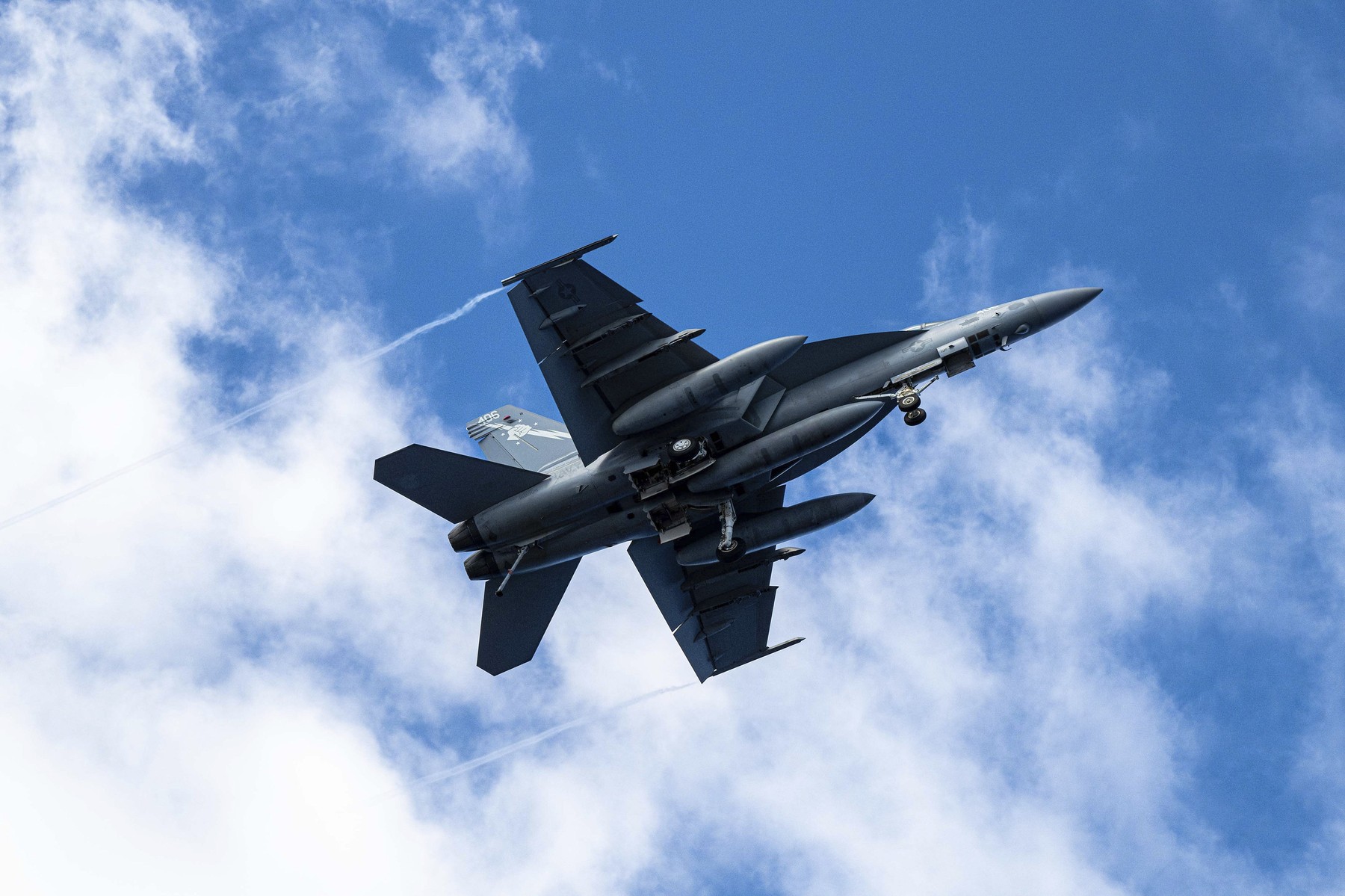
125 aircraft from India and Pakistan, involved in the greatest air struggle in recent history. The unusual aspect of the conflict between the two nuclear powers

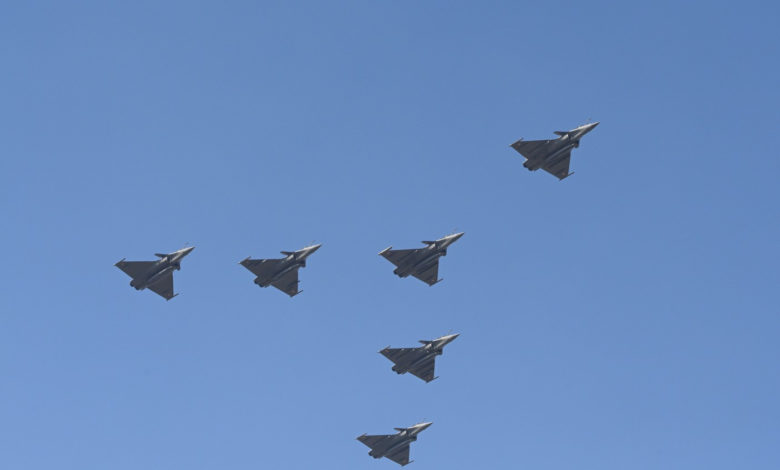
According to a source quoted by CNN, it is interesting that no plane has left its own air space, and rocket exchanges occurred at distances sometimes greater than 160 kilometers.
Wednesday's struggle between Pakistani and Indian fighting aircraft was one of the “largest in recent aviation history,” a high -ranking Pakistanian security source said.
A total of 125 fighter jets fought for over an hour, Wednesday morning.
Interestingly, no plane left its own air space, according to the source that detailed that rocket exchanges occurred at distances sometimes greater than 160 kilometers.
None of the parties were ready to send their pilots across the border because of a conflict that took place in 2019.
Then, a pilot of the Indian air forces was shot down on the Pakistani territory and wore on television, before being returned to India. A humility that none of the parties wanted this time.
Dozens of victims
Sometimes, Indian Air Force had to perform more races to targets, according to the source. Pakistan did everything he could to warn the civilians in the areas that he considers potential targets, the source said.
Pakistan states that at least 31 civilians were killed and about 50 were injured in India attacks and cross -border bombings over the border in Kashmir, while India states that 13 Indian civilians were died and 59 were injured.
On Thursday, the ministers of the Indian government told a meeting of the political parties in New Delhi that the blows on Pakistan killed over 100 terrorists and that the count is still in progress, government sources said.
Pakistan claimed to have shot down five Indian planes, but the information was not confirmed by the Indian side. French sources told CNN that an Indian Air Force Air Force aircraft was shot down.
The fights continue
Pakistan said on Thursday that he had shot down 25 drones in India in his air space, while India said he had “neutralized” Pakistan's attempts to hit military targets with drones and rockets.
The fights thus seem to continue and expand, two weeks after India accused Islamabad of involvement in a terrorist attack in the Indian Kashmir in which 26 people were killed-most Hindu tourists.
Islamabad denied the accusation and promised to respond to missile attacks.
Although the Pakistani federal government has committed to respond to India's attacks, Defense Minister Khawaja Muhammad Asif, Pakistan told The New York Times on Wednesday.
Indian Foreign Minister Subrahmanyam Jaishankar also said that New Delhi does not intend to escalate the situation. “However, if there are military attacks against us, there should be no doubt that they will be greeted with a very, very firm answer,” he said at a meeting of the I-Iran joint commission.
A tense relationship
The relationship between India and Pakistan has been marked by tensions since obtaining independence from the United Kingdom in 1947, and the countries wore three wars, two of them for Kashmir, and collided in smaller times.
Both acquired nuclear weapons in the 1990s.
China urged both countries to act in the general interest of peace and stability, the spokesman of the Chinese Foreign Ministry declaring that Beijing is ready to collaborate with the international community “to avoid the actions that further complicate the situation”.
Russia and the US also urged withdrawal.
The current escalation comes at a precarious moment for the $ 350 billion economy of Pakistan, which still recovers after an economic crisis that brought it to the threshold of non-payment of external debt in 2023, before obtaining funding from the International Monetary Fund (IMF).