MEPs want a larger EU budget to counteract crises. “Without new income, EU programs will face cuts, or taxpayers will have to bear the burden”

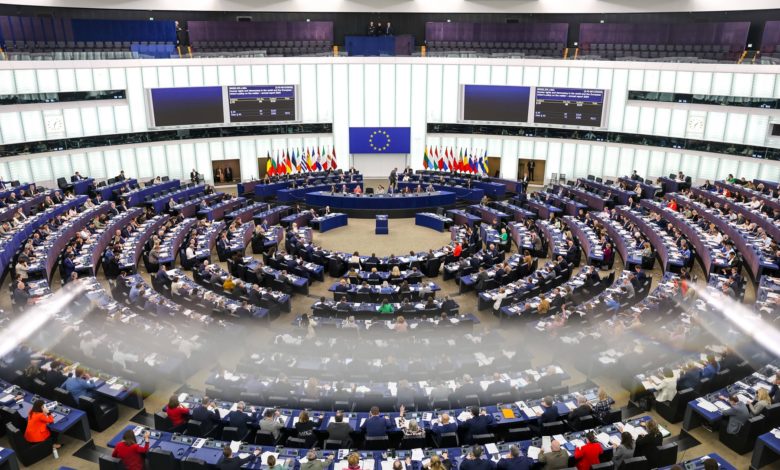
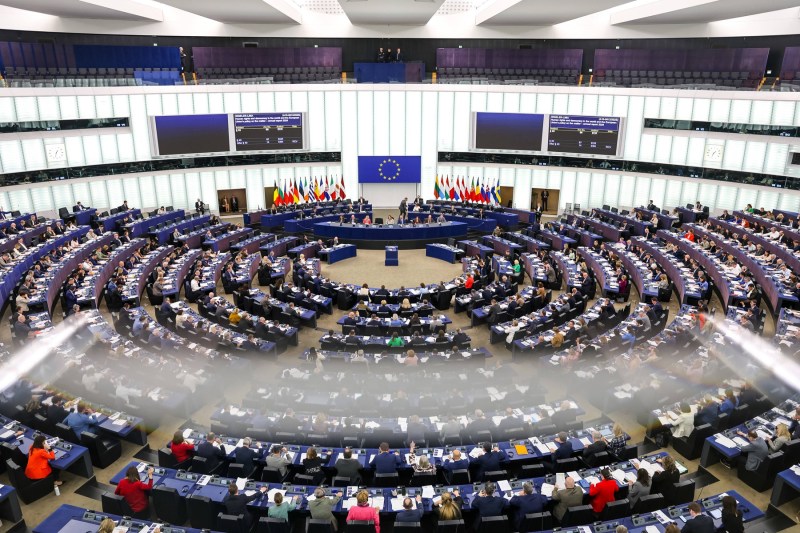
The European Parliament, during a plenar
The European Union needs a larger budget to spend more on defense, in the face of increasing threat from Russia, they requested MEPs, Wednesday, according to AFP.
“The defense expenses cannot come to the detriment and they cannot lead to a reduction of long-term investments in the economic, social and territorial cohesion of the Union,” a text approved by EU MPs during a plenary session in Strasbourg, in France.
The vote of the European Parliament is a clear message to the European Commission, in a period when the EU executive branch is preparing a proposal, for July, on the next multiannual budget.
The budget will cover the period 2028-2034, setting expense limits for the priorities of the community block, including support for farmers and subsidies for the poorest regions.
Call for “increased resources”
MEPs have requested “increased resources” and exceeding the usual limit, which establishes that the budget is 1% of the gross national income of the Member States.
Russia's invasion in Ukraine and the need to increase the defense expenses in front of a more belligerent Russia have put pressure on the EU budget.
It is also accompanied by a loan of 800 billion euros that was contracted after the Covid-19 Pandemic, to relaunch the economies, and which the EU will have to reimburse until 2058.
The attention focused on the green transition and the consolidation of competitiveness will require massive investments at a time when the weak economic growth in Europe puts pressure on resources. Some states, such as France and Italy, are already overloaded.
The two countries insist that Europe will assume more common debts to finance the priorities of the Community bloc, but this is a red line for states such as Germany and Sweden, the main contributors to the EU budget.
In addition to the contributions of the Member States, the budget is funded from imports and part of the VAT collected inside the Community block, but in the future, more money could come from a carbon border tax-which is gradually introduced-or by a possible tax on digital services.
“Without new revenues, EU programs will face cuttings, or taxpayers will have to bear the burden,” said PNL MEP Siegfried Mureșan, according to AFP.
The debate on the future budgetary framework will be an intense one. It must be unanimously adopted by the EU states and must receive the green wave from the MEPs before the end of 2027.