India has used Hammer Bombs and Scalp cruise missiles to hit Pakistan targets in Sindoor Operation

India used in the operation launched during the night a series of high -accuracy and long -range attack weapons. These include scalp cruise rocket, Hammer's guided bomb and Kamikaze Drone, according to the New Delhi press.
India said that in the operation “Sindoor”, nine Pakistani sites that provided “terrorist infrastructure” and where attacks against it were orchestrated, according to Reuters.
Sindoor means Vermilion red powder worn by married Hindus women, a reference to women who were widowed after the April 22 attack, who killed 26 men, most Hindu.
Islamabad said that six Pakistani locations were targeted, and a total of 24 impacts were felt from different weapons.
The weapons used by India in the attack on Pakistan
The operation, with the code name “Sindoor”, involved the conduct by three services of some air, naval and terrestrial means. It is the largest cross -border accuracy performed by India from the Balakot operation in 2019, NDTV reports.
The mission was a response to the April 22 attack from Pahalgam, Jammu and Kashmir, in which 26 civilians were killed, including an Indian Navy officer and an Nepalese citizen. The attackers had links with Lashkar-E-Taiba (Let), a terrorist group based in Pakistan, which is supposed to receive logistical and financial support from the Pakistani Government.
Weapons used in Sindoor Operation
India used a series of high -accuracy and long -range attacks in the operation. These include scalp cruise rocket, Hammer and Done Kamikaze's precision bomb.
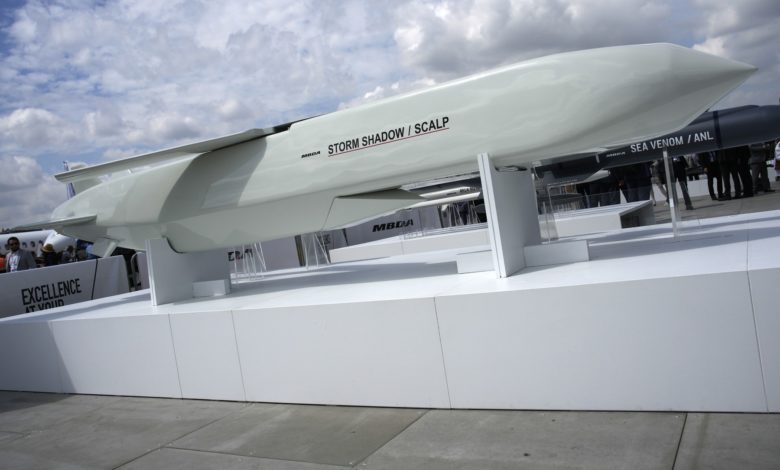
The scalp rocket, also known as Storm Shadow, is a long -range cruise missile, launched from the air, with an action ray of over 250 kilometers and designed for deep attack capabilities.
The smart Hammer (Highly Agile Munition Extended Range) smart bomb has been used to hit strengthened infrastructures, such as consolidated bunkers and multi-storey buildings as training and logistics centers and Jaish-E-Mohammed (JEM). Hammer is a precise guided ammunition, capable of hitting targets at 50-70 kilometers, depending on the launch altitude, notes the Indian television.
Also known as “Kamikaze Drone”, “Loitering” type ammunition have been used for surveillance, localization of targets and blows. These drone systems are planning above the target areas and identifies and eliminates threats, either autonomous or under remote control.
What happened after India's attack?
A Pakistani military spokesman told Reuters that his country had shot down five Indian planes while they were in the Indian airspace.
India has not confirmed this information.
Four local government sources in Indian Kashmir told Reuters that three fighter jets have collapsed in separate areas of the Himalayan region during the night.
All three pilots were hospitalized, added the sources.
The two armies had an intense exchange of bombings and firearms in different points on their de facto border in Kashmir.
The number of victims
Pakistan said eight people were killed, 35 were injured and two were missing from the attack.
India said seven civilians were killed and 35 were injured following the cross -border bombings of Pakistani troops in Kashmir.
What is the impact on the airspace?
India has closed several airports and, as a result, indigo and spicejet companies have canceled their flights.
Air India also diverted two of its international flights.
Qatar Airways temporarily suspended flights to Pakistan.
Pakistan International Airlines said air flights were redirected to Karachi, while the ground ones were suspended.
How are civilians affected?
Punjab province of Pakistan has declared an emergency, hospitals and security forces being on maximum alert.
Muzaffarabad, the capital of Kashmirul Pakistani, remained without electricity for a while after explosions.
Most of Jammu and Kashmir schools in India were closed on Wednesday.