Hollywood uses London, Montreal or Auckland not only because there are world -level photo halls. State and regional Encounts can return to 30 percent. expenditure on a team, locations and special effects. In practice, this means tens of millions of dollars for a single film.
The duty would eat this financial bonus with more than, and at the same time will not guarantee that the transfer of production to California will reduce costs. In the US, market rates for specialists and film services are higher than in Canada or Great Britain.
Uncertainty is deepened by the fact that The film is not a commodity that can be weighted on the border. The administration will have to come up with how to calculate the value of the elusive intellectual good and what “foreign” threshold to be used for co -production. For studies, this means the risk of bureaucratic chaos in budgeting, and for investors – the specter of greater variability with each new project.
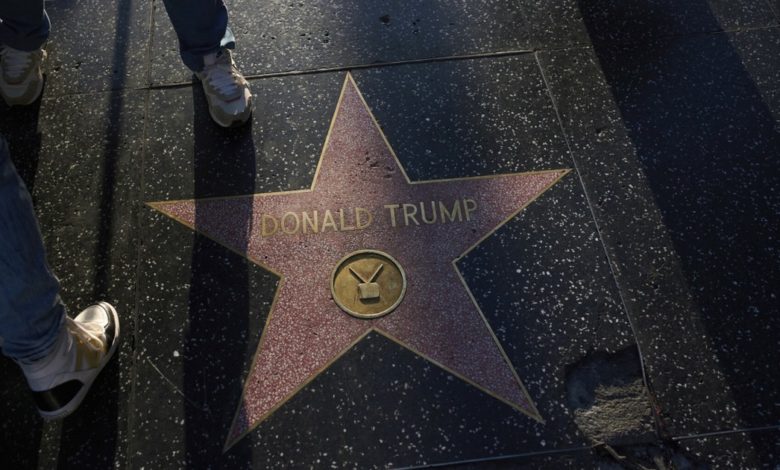
Donald Trump sticks a stick in Hollywood
Potential repercussions are also international. Blockbusters earn most revenues outside the USA today. If Europe or China will respond with retaliation, Studies may lose billions of dollars of revenues from tickets and licenses. This would hit not only traditional labels.
Streaming websites that need a constant influx of global hits would face the choice: either pay higher rates for material produced in the USA, or Risk additional tariff costs at titles created abroad.
Both scenarios worsen the margins and exert Pressure to raise subscriptions. This suggests fluctuating the exchange rates of streaming companies.
For viewers, the effects can be felt quickly. If the budgets increase, the cinemas will translate into ticket prices, and the platforms – to higher fees or limiting the number of premieres. A smaller variety of locations and teams can translate visually, and any trade wars can, in turn, reduce the number of American films available on foreign markets and vice versa. At best, the consumer will receive more images shot in the US, in the worst – he will pay more for a more modest offer.
In theory, the tariff is to stop the outflow of production and “restore the size of Hollywood”. In practice, it threatens to increase costs, complex global distribution and reduce choice for the viewer. If the film industry, which has been recording a 15 -million trade surplus for years, will lose part of this profit on the new CL, not only Wall Street, but also the sofa of the average subscriber.