Consent to the publication or “does not participate in the course”. Parents face a difficult choice


publication
2025-05-04 15:00
Learning programming, but only as a parent agrees to publish photos. Dance classes only with Instagram rollers in the package. English language course with lesson recordings. Parents are increasingly facing a difficult choice – to trade the image of their child in extracurricular activities. Ba! Or even at his own school.
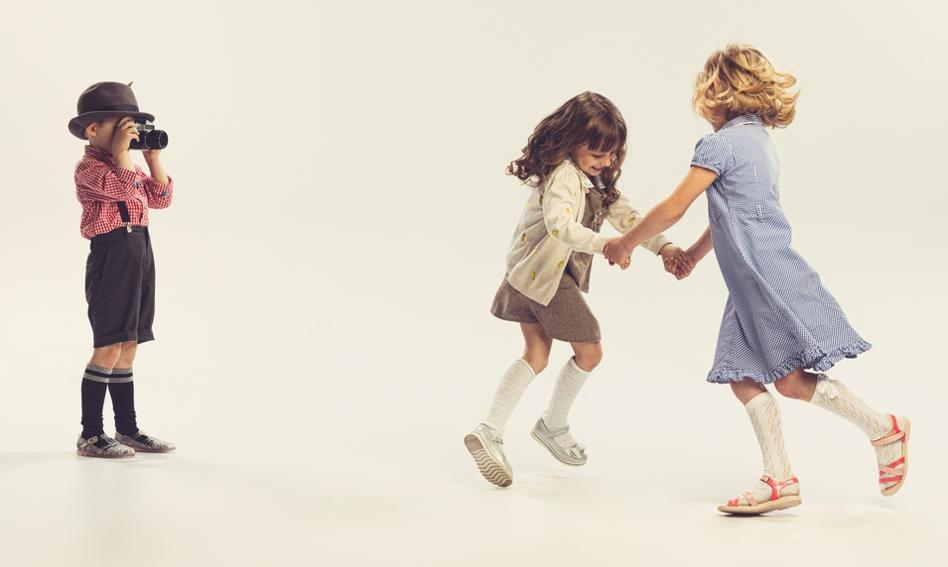
Increasingly, parents are asked to permission to publish photos of children. Consent is required by schools, kindergartens, nurseries or additional classes organizers. Intentions are usually good – the facility wants to use a child's photo to boast of success. However, sometimes photos can be used not as we would like. Not only without our consent, but also a child.
The phenomenon of making the child's image public and information about him can have serious consequences – both legal and psychological. Although most parents work in good faith, they are often not aware of what threats are associated with digital disclosure of private content about children. Obligatory consent in schools or in additional classes may also have consequences, and should not be granted without reflection.
Before you agree to share your child's image, think about the consequences
Before we agree to share the child's image, we should think about the consequences. Maybe just send a photo to your family in a safe, private channel (e.g. a group on WhatsApp or Signal) and it does not have to be published, e.g. as a free advertising of additional classes. It is known that not every publication of children's photos is a threat, but now it is worth acting cautiously.
We are asking us for permission to share the image of children:
- Teachers and educators who document the everyday life of children, publishing photos on school social profiles,
- Organizers of additional classes who require consent to publish the child's image as a condition of participation in the event (e.g. for marketing purposes),
- Organizers of colonies, trips, semi -camps who post relationships and send photos from holidays, a child's holidays
Often, photos of a child without the consent of parents are published by other family members or even foreign people who may not be aware of their consequences.
Not every publication of the image is bad, but it is worth thinking about it
Of course, not every publication carries threats. A photo from a class trip or a family ceremony can be a valuable souvenir – unless it is published without consent, context and awareness of possible effects. The difference between the photo sent in a private group and the publicly thrown into the network – is significant and it is worth being aware of the consequences.
When a child's photo is published on the network:
- We make it easier to track the child and his family – the photo can be used to identify the location of the child, his school, and in extreme cases – as an element of planning violence against the child or his parents. Even after removing the photo, its copies can circulate on the web.
- We are exposed to its use contrary to the intentions of the publication – children can become the heroes of the so -called Vira – not always in a positive sense. Reworking photos, taking memes from them or their mocking by peers are real forms of digital violence.
- We create an irreversible digital trail – photos published today can affect the future of the child – e.g. when applying for a job or during the recruitment process to the university. The internet does not forget.
- It can be used in court proceedings – posting a child's image may become evidence in divorce or for care. Sometimes not the content of the photo, but the moment of its publication can matter.
- We allow a violation of privacy – children of a certain age begin to understand that their privacy has been violated, which may result in a sense of shame or a decrease in a sense of security.
Legal protection of the child's image
Parents have the right to decide about the child's image based on:
- Act on Copyright and Related Rights,
- Civil Code (protection of personal rights),
- GDPR (personal data protection).
In a situation where, as a parent, we agree to the publication of the child's image, we can cancel it at any time. Just send a short email requesting removal of photos and withdrawing consent. If the consent has not been granted, each publication constitutes a violation of law.
How to safely share your child's photos?
If we want to share a child's photography:
- Let's limit the visibility of the post to trusted people (e.g. “only friends”),
- Let's avoid publishing the image of the child's face – you can, for example, use an emotic
- Let's not indicate the exact place, time or names of the institution,
- Let's use encrypted messengers such as WhatsApp or Signal
It is worth remembering that every child has the right to privacy. This law does not depend on our will as parents, school or organizer of additional classes or rest. The role of adults is to take care of safety – also in digital space. By publishing a photo of a child, let's always ask ourselves: will my child be happy in a few years that this image has been made available on the web.