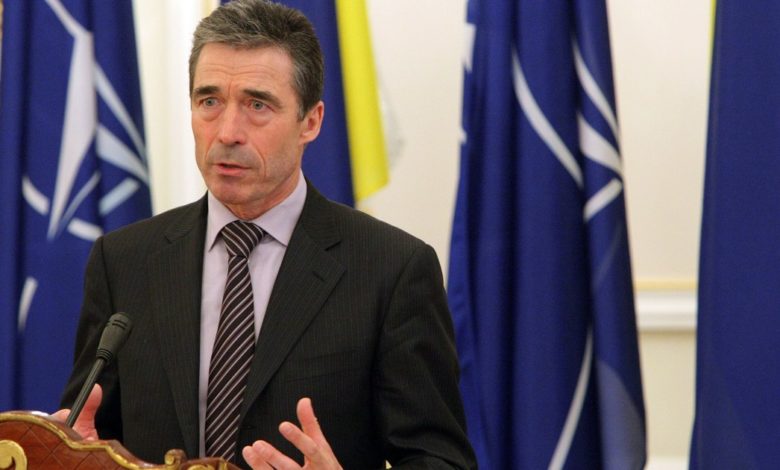
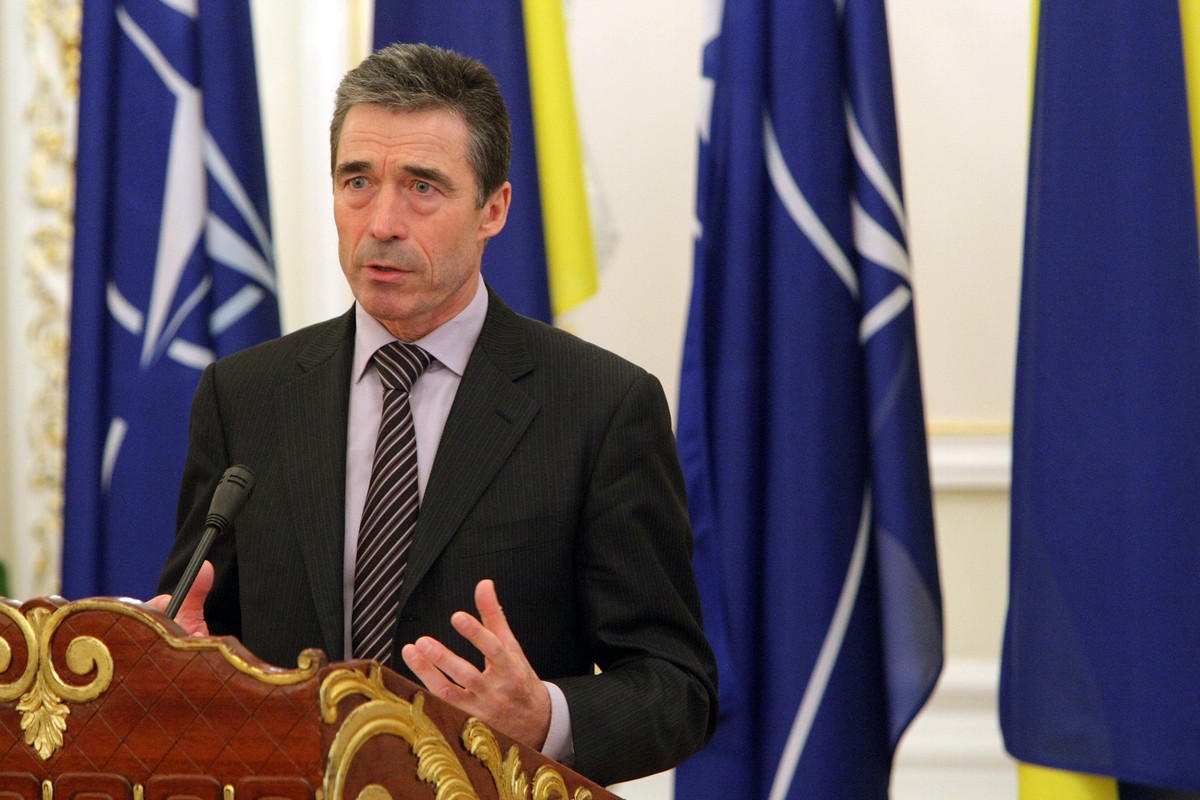
Anders Fogh Rasmusse, who managed the North Atlantic Alliance in 2009-2014 and was the prime minister of Denmark in 2001-2009, He claims in his book “At Turde” (“Dare”) that his greatest political mistake was faith that Putin would turn to the West.
“I was hoping for close cooperation,” he admits.
Rasmussen recalls his meeting from 2002 with the then American president Bush Junior (in power in 2001-2009), who was to express his confidence in Putin.
“Some officers in our army are skeptical of Russia, they still think like in the Cold War, but I looked into Putin's eyes and saw my friend in it” – Bush's words paraphrasing the Danish.
The former NATO Secretary General assigns the wrong reading of Putin's intentions that “He always behaved like an agent of the KGB“.
“He was like a chameleon, he pretended to be pro -western, but as soon as he felt that Russia was strong enough, he attacked his neighbors: Georgia in 2008, then Ukraine in 2014 and for the second time in 2022.” – reminds Rasmussen.
The rest of the article under video material:
“After many years of contact with Putin, I came to the conclusion that He respects only one thing, strong power, so he makes no sense to succumb to him” – says former prime minister of Denmark. He refers to the concessions of the international community towards Hitler's territorial claims, which instead of peace led to the outbreak of World War II.
In the book, he admits that, considering the main enemy terrorism, he noticed too late that Russia was preparing for confrontation.
Read also: “Ukraine should become part of NATO.” The former head of the alliance indicates Russia's success [WYWIAD]
Rasmussen supplies that the European leaders like the German Chancellor Gerhard Schroeder, French President Jacques Chirac and the Italian Prime Minister Silvio Berlusconi more or less consciously ignored the threats from Russia, fearing their economies. It was feared that investments in defense would not meet the support of voters.
In Denmark, Rasmussen is perceived by public opinion as a prime minister who contributed to limiting national expenses on the army. The current Danish government is trying to reverse this trend.