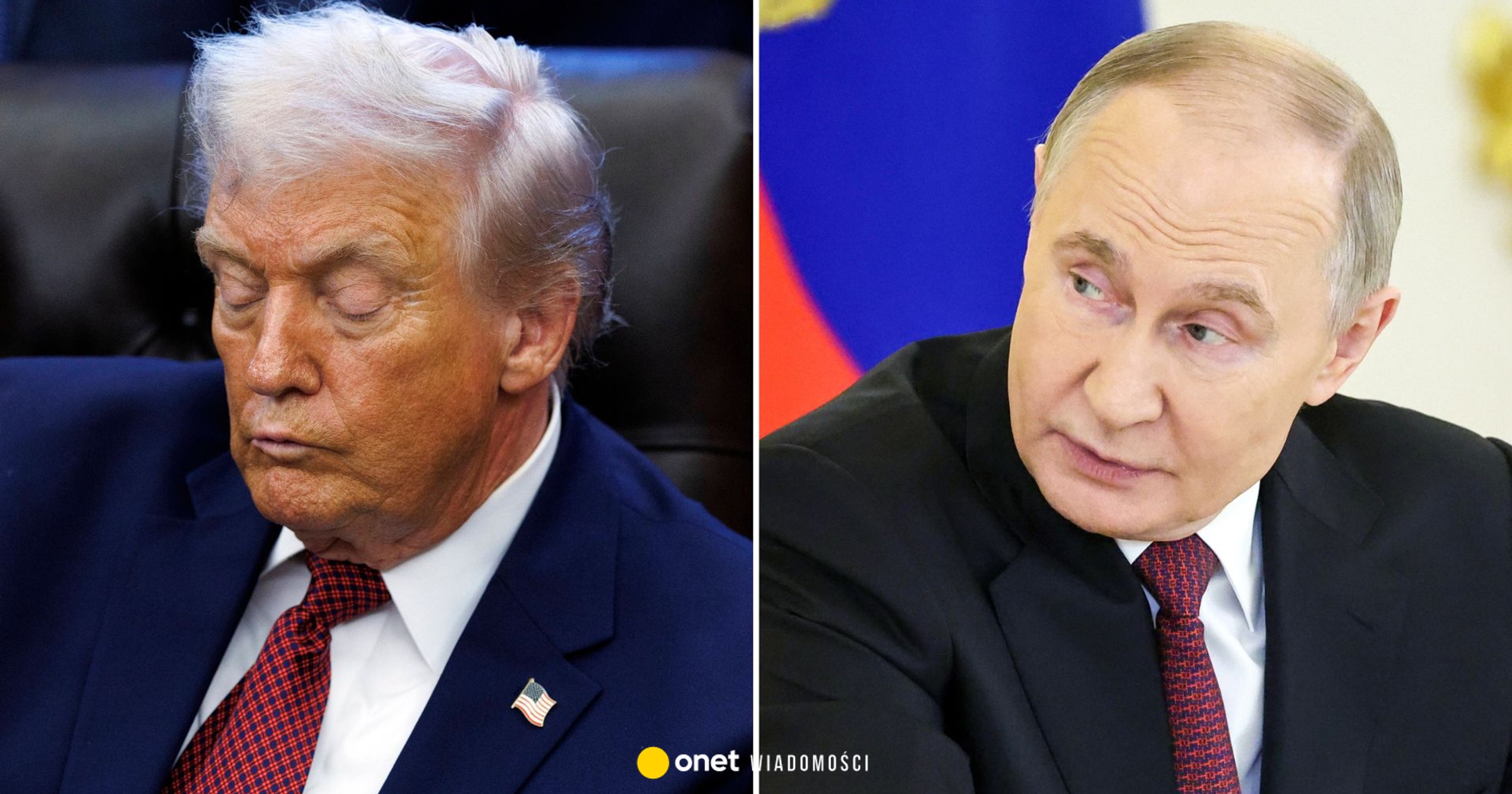
Zelenski is facing a dangerous choice: to reject Trump's defective peace or to endanger the sovereignty of Ukraine, says Timothy Ash, associated researcher at Chatham House.
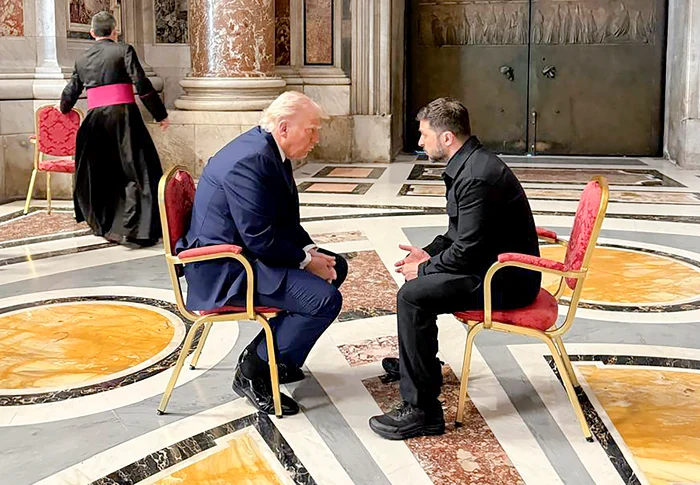
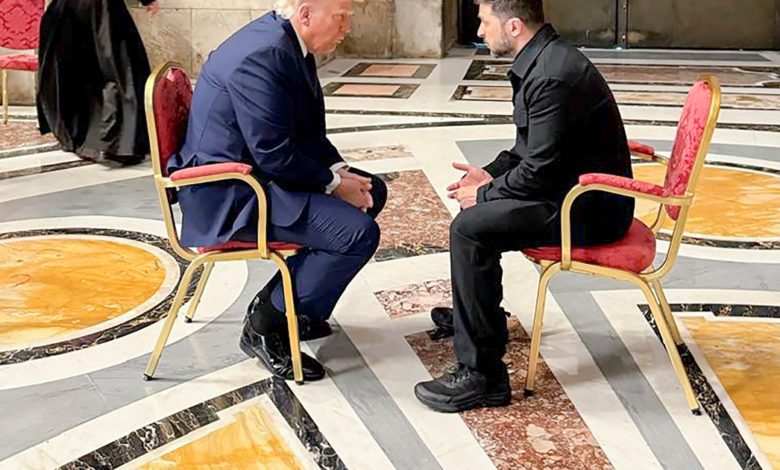
Donald Trump meeting and Volodimir Zelenski in Saint Peter Basilica from Vatican/Photo: X
Volodimir Zelenski already knows that he cannot sign a peace that implies, in essence, the capitulation of Ukraine. Neither political nor legal nor moral. The so-called “peace offer” proposed by Donald Trump involves unilateral concessions in favor of Russia, without security guarantees for Kiev and with explicit renunciation of NATO integration. In other words, an invitation to teach, says Timothy Ash, associate researcher at Chatham House.
According to sources close to the Ukrainian administration, Zelenski's negotiation team is aware that such an agreement could neither be accepted by the Ukrainian society, nor adopted by the Parliament. The Constitution of Ukraine clearly stipulates the inviolability of the national territory, and Crimea and Donbas remain, at least from a legal point of view, integral parts of the state. An official renunciation of these territories would be perceived not as a diplomatic compromise, but as a betrayal, says the analyst.
Kiev pulls time
Against the backdrop of these evolutions, Volodimir Zelenski seems to have adopted a strategy to “earn time”. Time for the army, for the defense industry, but also for maintaining international support – especially financial and military support from the United States and the European Union. The military aid package worth $ 61 billion, approved under the Biden administration, remains a vital anchor in this equation, as well as European ammunition and anti -aircraft systems.
At the same time, Zelenski knows that Trump will seek to turn him into a scapegoat if the peace plan fails. In a recent speech, the US president has openly attacked the position of the Ukrainian leader, accusing him of “refusing the compromise”-that is, accepting the loss of Crimea. A clear signal that Trump would follow a quick reconfiguration of the relationship with Russia, even if that would mean abandoning Ukraine.
But what would Vladimir get a little from such a scenario? Most likely, a symbolic victory – but impossible to consolidate military. Russia no longer has the logistical and human capacity to support a major offensive, even if a favorable political window would be created. And a peace agreement signed without Ukraine will only be worthless paper on the ground.
Essentially, Volodimir Zelenski relies on the wear of the Russian Russian partnership initiated by Trump. On the possible cracks inside the Putin regime, as they have already been seen in the Wagner rebellion. On the fact that, in the end, any “peace” that ignores the will and the right of Ukraine to exist as a sovereign state will be rejected by history – and the reality on the front.
For the leader of Kiev, the stake is no longer just the stopping of the war, but the survival of a nation under threat – and keeping a minimum autonomy in the face of a possible understanding of others, over the head of Ukraine, concludes Timothy Ash, a researcher associated with Chatham House.