
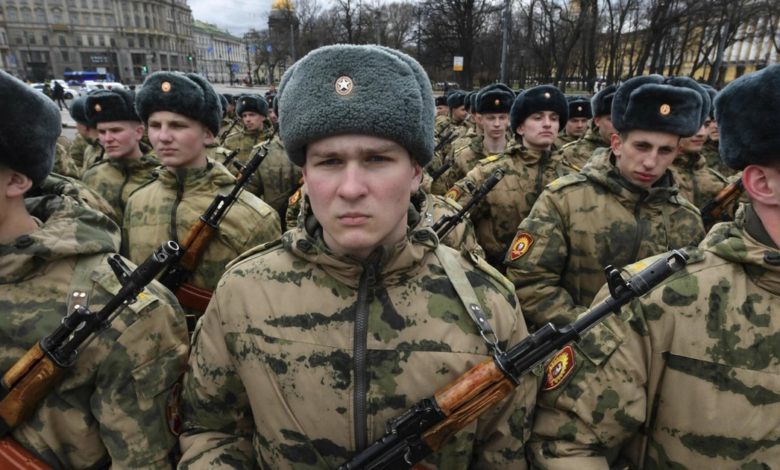
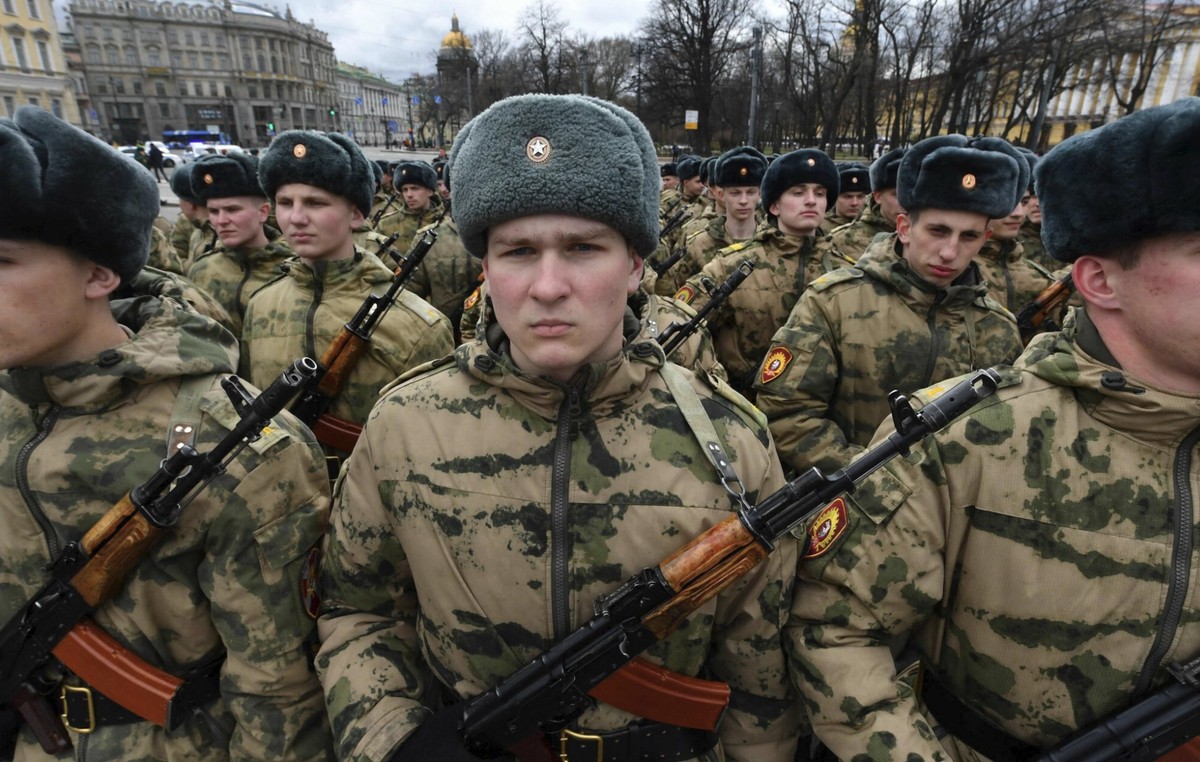
The tension is growing, because – as the analysts emphasized on which the Wall Street Journal “appoints – the same units that are fighting in Ukraine today can be directed against NATO countries.
Russia will allocate over 6 percent this year. GDP for defense, while the EU average is 2.1 percent. This disproportion already forces the correction of budget plans of many capitals.
Finland, the latest member of the alliance, strengthens the limit with barbed wire and electronic supervision systemsand the Baltic States and Poland invest in anti -tank dams and the expansion of railway infrastructure in terms of rapid transfer of troops.
“When the soldiers return from Ukraine, they will look across the border at the country, which they consider to be an opponent. The logic of the last decade shows that we are expecting a conflict with NATO,” says Rusłan Puchow, director of the Moscow Center for Strategy and Technology Analysis for WSJ. The words of the Russian expert are coincided with the assessment of Western commanders.
General Christopher Cavoli, commander -in -chief of US forces in Europe, He admitted in Congress that the Russian army “is rebuilding and growing faster than the most analysts predicted”and its current number exceeds the state before the invasion of Ukraine.
Russia is constantly armor
Russian defense plants work in three shifts. The production of T-90M tanks increased from about 40 pieces a year in 2021 to nearly 300.
According to Finnish intelligence, most new machines remain on Russia, instead of going to the front. At the same time, the production of artillery barrels, ammunition and drones is growing. “We don't have much time. We have to build a strong alliance, an efficient command system and well-equipped armed forces”-warns the Polish defense minister Władysław Kosiniak-Kamysz.
The increase in military expenditure in Russia stimulates the economy, but in Europe causes a chain reaction. NATO member states already declare an increase in equipment for equipment, which means a higher burden on public finances and the need for budgets. For debt markets, it is a signal of upcoming large -scale emissions, and for industry – a chance for lucrative contracts.
At the same time, companies from the transport and energy sector are preparing crisis scenarios in the event of escalation: from securing critical infrastructure to alternative raw materials supply routes.
The Russian investment offensive also includes the railway – from the border with Finland, new siding and military terminals are being created in the afternoon of the Leningrad District. “Long -term Russians focus on the number. It always boils down to numbers,” notes General Sami Nurmi, deputy head of the Finnish staff responsible for the strategy.
The Kremlin tempts recruits with disposable bonuses that can reach the equivalent of 20 thousand. dollars. According to American estimates, about 30,000 are reported to the army per month. Volunteers, and some services in Eastern Europe even talk about 40,000.
Denmark beats the alarm
Denmark warned in the interview report that With favorable circumstances, Russia could start a large operation in Europe in five yearsand the suspension of weapons in Ukraine would still shorten this horizon.
That is why Tallinn, Riga, Vilnius and Warsaw annulled the treaty prohibiting anti -personnel mines, and in the region accelerated fortification projects. On the western floors heralds it The growing interest in the actions of defense companies and entities producing steel and explosives.
Russian maneuvers do not only affect the arms industry. The perspective of the stronger military presence of Moscow at the borders increases the risk bonus in the so -called Eastern flank, which can increase the cost of capital and insurance for local enterprises. With the arrival of the maneuvers, announced for the second half of the year, investors will carefully follow each signal about the dislocation of equipment and soldiers.
History teaches that Russia can use a military advantage to force political concessions. “They were in Paris after the defeat of Napoleon, they were in Berlin after defeating the Nazis. I do not agree with this, but I understand why they want to change the European security architecture and use their military strength for this” – admits Major Juha Kukkola from the Finnish University of National Defense.
For European economies, this means The time of arms spending, which until recently seemed unthinkable, and the need to reconcile the ambition of green order with the realities of the growing defensive budgets.
Economists warn that although military orders can briefly stimulate production, in the long term they move resources from the civil to military sector, limiting the potential of investment in innovation and energy transformation. The perspective of “some conflict with NATO”, which experts speak openly, so it begins to shape not only a security strategy, but also a map of expenses, climate priorities and an appetite of investors on risk throughout Europe.


