Resurrection. The first night of peace in Europe after three years / How the armistice between Russia and Ukraine resisted. What follows

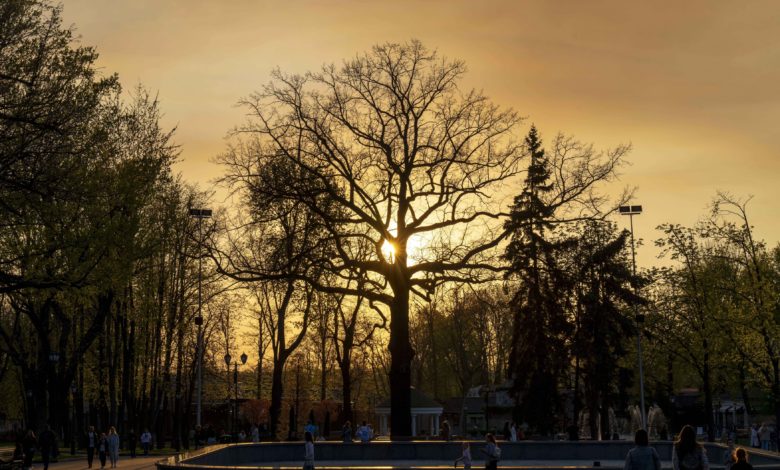
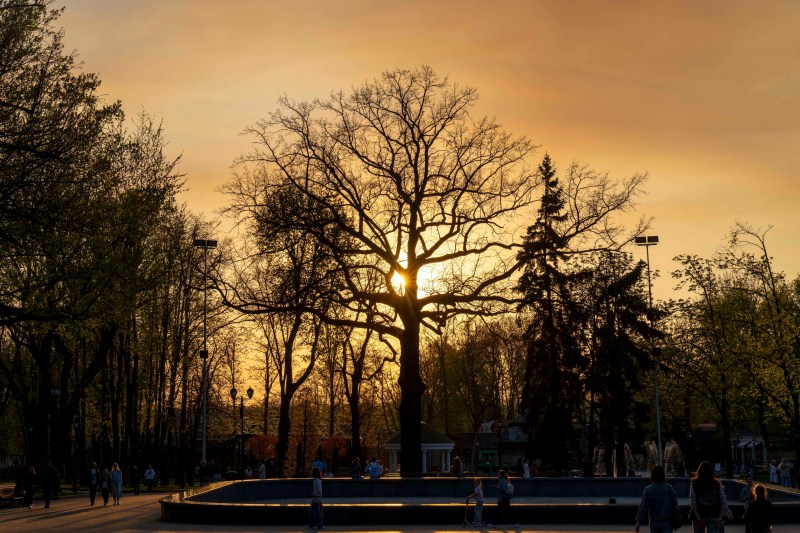
Kharkov region, on Saturday morning before Easter. Credit Line: Andreas Stroh / Zuma Press / Profimedia
Russian President Vladimir Putin announced on Saturday, Easter, a day -to -day fire in Ukraine. Kiev said, however, that the Russian forces continued the bombings in some areas of the front and instead demanded an extended real stop, Reuters reports.
Putin ordered the termination of all the military operations on April 19, the local time 18:00 (the same in Romania), until April 21, 00:00, Moscow Hour. Putin's decision followed the announcement of Washington that he could abandon peace discussions in a few days, unless Moscow and Kiev shows that they are serious about peace negotiations.
“On humanitarian considerations, today, from 6:00 pm [ora Moscovei] until 00:00 [ora Moscovei]from Sunday until Monday, the Russian side declares a Easter armistice. Order that all military actions should be stopped during this period, “said the head of state at a meeting with the head of the General Staff, Valeri Gerasimov, after declaring the armistice, according to the TASS State Agency.
Putin said that it assumes that Ukraine will follow the example of Russia, but told the chief of the General Staff of Russia, Valeri Gerasimov, to prepare Russian troops to reject any violation by Kiev.
Kiev's finding: “The artillery fire did not soften”
Shortly after the announcement, about an hour before it entered into force, Kiev called the air raids. Another warning was implemented for a short time in Kiev and in the region around the Capital about four hours after the deadline for ceasing fire.
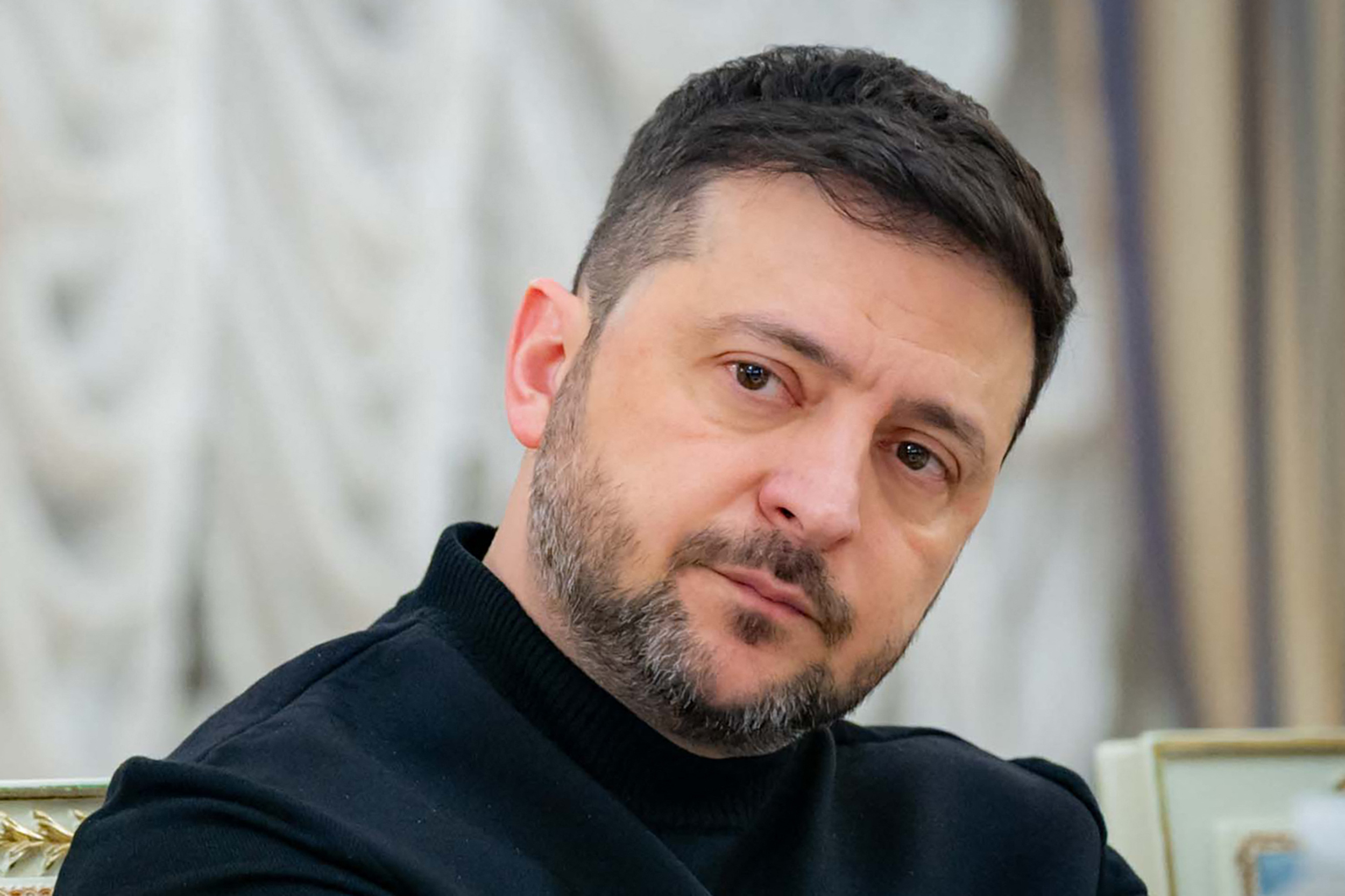
Ukrainian President Volodimir Zelenski rejected the proposal as “another attempt to play with human lives.”
45 minutes before the beginning of the armistice, the Ukrainian planes rejected the Russian aerial attacks, Zelenski said in a post on X.
In the post, Zelenski quoted the higher commander of Ukraine, Oleksandr Syrskyi, saying that the Russian assault operations “continues in several sectors in the first line, and the fire of the Russian artillery did not soften.”
“Therefore, there is no confidence in the words coming from Moscow,” he said.
The Ukrainian president subsequently cited a report by Oleksandr Syrsky and said that the “Russian Easter Army” does not apply to Kursk and Belgorod regions of the Russian Federation, border areas where Ukrainian forces have incursions and in which hostilities are still in progress.
“The fights continue, the Russian bombings continue,” Zelenski wrote, without providing evidence.
“The report of the chief commander. We register the real situation in all directions. The Kursk region and the Belgorod region-Putin's Easter statements have not expanded to this territory. Continuous battles, Russian bombardments continue. In some areas of the front, Russian artillery continues to sound, not the promise of peace of the Russian. Zelenski.
What did he do a little after announcing the armistice
Putin and the mayor of Moscow Sergei Sobianin joined the believers on Saturday evening for the Easter service led by the head of the Russian Orthodox Church, Patriarch Kirill, a faithful supporter of the Russian leader.
A few hours after declaring a cessation of the unilateral Easter fire, Putin stayed with Sobianin in the main church in Moscow, the Cathedral of the Savior of Christ, while Kirill led a procession, according to the images transmitted during the jobs.
Holding in his hand a bright red candle and dressed in dark colored suit, a white shirt and a red tie as in the past years, the Russian leader made his cross several times when Kirill announced “Christ has risen.”