Parents teach 12-year-olds investing. “I definitely see real estate flipping in his future”


Fire movement (Financial Independence, Retire Early, That is financial independence, early retirement) It focuses on financial education, long -term investing and earlier abandonment of full -time work. The same approach instils its children and grandchildren.
The 9-year-old daughter Ramat Oyetunji earned the first money by washing cars to neighbors and teachers. She invested savings in a portfolio of action and together with her mother, she published a book for children about finances. -If we start educating children early, it's a great way to transfer financial knowledge and build intergenerational property-says 48-year-old Oyetunji, who retired at the age of 44.
Read also at Business Insider
Oyetunji is one of many parents who have joined the Fire movement over the past decade. This movement, which is part of a broader trend for financial independence, puts emphasis on rules such as paying off debts, long -term investing and building passive income streams, hoping for early retirement and passion for passion, such as travel or financial advice.
Although the Fire movement focuses mainly on the assembly of sufficient funds for early retirement, some rules are also transferred to the next generation. Several parents with whom Business Insider talked, He declared that they want their children to be more financially aware than themselves, teaching them to invest, budgeting and postponeing.
For many parents involved in motion, Fire is not only a matter of securing themselves, but also the future of their children. Some of them want children from an early age to be able to budget, invest and postpone the gratification in time – that is, something they did not learn at school.
However, not all parents agree on the best way to prepare children. Some of them believe that early teaching of children financial principles will be crucial for success, although they are not sure how far they can go so as not to take children away from childhood. They are afraid that children who grow up in families, where parents have previously retired or work part -time, may not have a role model for hard work.
Experts emphasize that simple and practical methods are the most effective. Susan Hirshman, director of property management at Schwab Wealth Advisory, advises parents to introduce finances in a “simple, practical way”, for example through pocket money, budgeting and setting goals.
– The most effective lessons often come from everyday life – says Hirshman in an interview with BI. – It can be setting the savings goal for a concert ticket, comparing prices during shopping, or helping to plan your family holidays, taking into account a specific time and cash budget. These types of practical experience build confidence and create grounds for making wise financial decisions in the future – he adds.
The sooner, the better
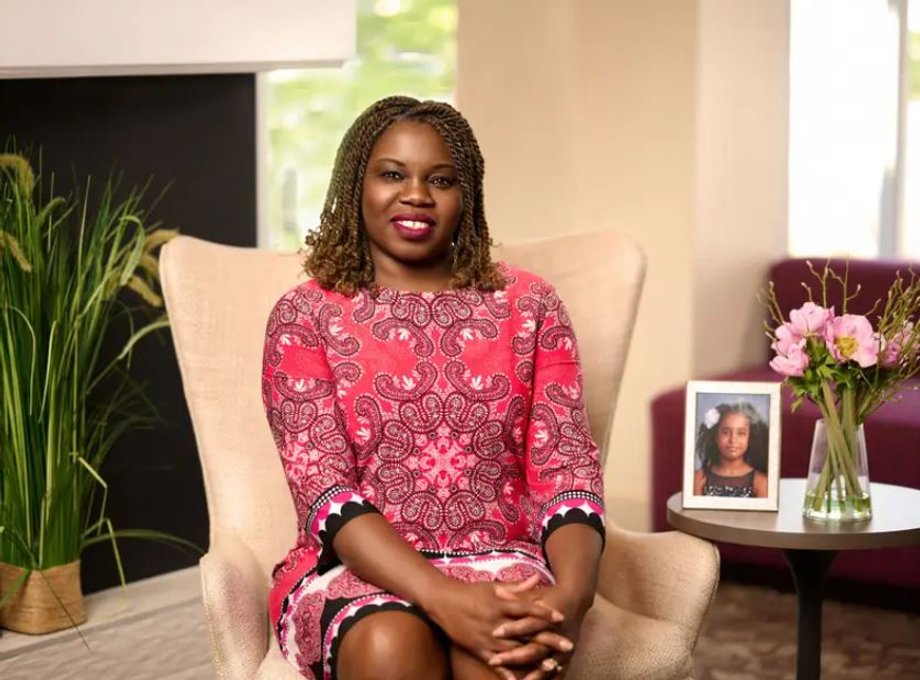
Ramat Oyetunji grew up in Nigeria, and moved to the US at the age of 20 to graduate from mechanical engineering. She worked on drilling platforms, then in pharmaceutical and chemical companies. She finished her career as a quality director at the chemical plant. Along the way, she began to apply Fire rules.
Oyetunji RAMAT
|
Ramat Oyetunji (private archive)
Today he lives under Philadelphia. She retired at the age of 44 with a seven -digit property and developed her own company – The Fi Woman LLC. He has been running it since 2015, he writes books about personal finances and educates his daughter.
As he says, it's best to teach through daily activities. Daughter plays Minecraft and Roblox? Great – Oyetunji offered her to buy actions of companies behind these games. She shows her in this way that the stock exchange is not an abstraction, but a real world. It also gives pocket money to practice budgeting.
In turn, Brennan Schlagbaum, who quit his job and conducts the financial education platform, began to invest on behalf of his daughters. They are 1 and 3 years old. Although they are too young to buy shares themselves, both have a savings account, a brokerage account and a pension plan.

Brennan and Erin Schlagbaum
|
Brennan and Erin Schlagbaum (private archive)
Schlagbaum and his wife Erin set up their daughters plan 529, which is a popular investment and saving account in the USA for educational expenses, before their birth. They pay around $ 250 per month, which is ultimately to cover 60 percent. cost of study. – The rest must be arranged by themselves, whether because of scholarships or earning on their own – says Schlagbaum. – We want them to participate. They will be responsible and understand what finance management is about – he added.
See also: In what to invest 10,000, 100,000 and PLN 1 million? The expert arranges strategies
Susan Hirshman, director of property management at Schwab Wealth Advisory, advises that parents would think about whether they can afford to finance children's education without losing sight of their financial goals. It is also important to know how to encourage children to be responsible. “Understanding money begins with childhood experiences,” says Hirshman. – Learning money is not about exerting pressure, but to equip children with tools that will allow them to make conscious and certain decisions in the future – he adds.
Schlagbaum and his wife also transfer $ 250. A month for two daughters' brokerage accounts. They plan to give them this money when they are adult, for example when looking for their own apartment or setting up a business. What's more, they also transfer funds to retirement accounts. According to the regulations, you must have income to contribute to such an account, so All daughters' earnings from children's modeling are paid to these accounts. – Thanks to this, they begin to use interest from an early age – explains Schlagbaum.
In the meantime, parents introduce children to investment terminology. – Recently, I sat with them and told them what I invest in my 401 (K) – says Schlagbaum, referring to the American pension plan reminiscent of Polish PPK. “Of course, they had no idea what I was talking about, but the idea was to instill the topic,” he explains.
Learning through an example
For some parents from Fire, showing how to achieve financial success is more effective than learning advanced economics. Cha'lea Stafford, who abandoned her sales work to develop as an entrepreneur, did not have an easy start in financial issues.

Cha'lea Stafford
|
Cha'lea Stafford (private archive)
– I was born in a world where survival was most important – says Stafford, leading the podcast and online courses. – My family came to Georgia with nothing. We were homeless, we lived in a shed behind the market, where we sold vegetables – he adds.
Her two sons, 11- and 17-year-old, are already “entrepreneurs”. They learned the basics of business, and the oldest began with the sale of lemonade. The younger, being a baby, watched his brother and decided to start his own business. His first business consisted of selling books from a red stroller neighbors. Later he made decorations for postal boxes and created an online course that teaches other children, how to earn the first $ 500.
– My sons understand money in a way I couldn't do it at their age – says Stafford, who aggressively saves and invests to achieve financial independence. – invest, create as young entrepreneurs. They see wealth as a tool, not just a number on their account – he adds.
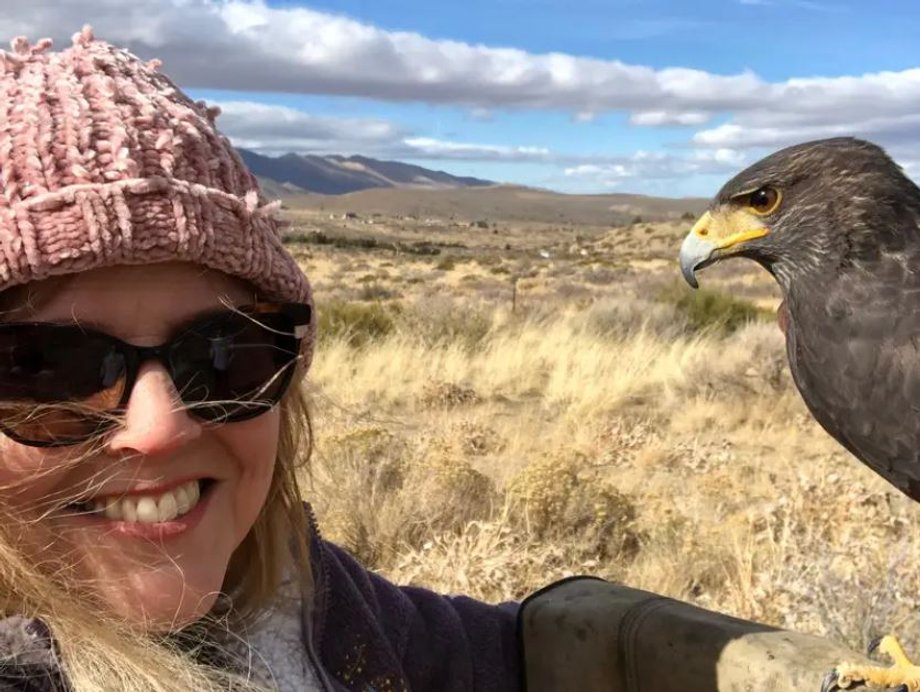
Susan Cesarini, a 57-year-old pensioner, teaches grandchildren respect for money. Cesarini ran a company dealing in the care of cats, but after retiring at the age of 50, she decided to re -open activities during the pandemic to regain the sense of goal. Despite the seven digits, she reduced the company size and set the limits of working time.
Susan Cesarini
|
Susan Cesarini (private archive)
However, she did not have time to educate her children when she was a single mother and worked a few full -time jobs. Her children, although they did not have formal financial education, lived sparingly. Now Cesarini teaches his 12-year-old grandson with the strength of a percentage of folding, investing and distinguishing “needs” from “greed”. She took him shopping at shops with used clothing to learn to look for cheaper options. He also encourages him to repair things himself, instead of ordering it to someone. She used her own property, which she painted with his grandson as an example.
“He sees how hard I work, how his parents and mother and dad also work hard, I think he wants to work and learn new things,” says Cesarini. – I definitely see real estate flipping in his future – he adds.
The above text is a translation with American Business Insider edition
Crowd: Mateusz Albin