“From 107, only these are functional! The rest, abandoned or swallowed by real estate” + map that shows the size of chaos

Article by Justin Gafiuc – Published on Thursday, April 17, 2025 20:19 / Updated Thursday, April 17, 2025 20:20
Three researchers from the Eastern European Sport Studies Center completed an exceptional document, 535 pages, about the neighborhood sports bases in Bucharest and the way the network collapsed constantly after 1990.
How many times have I not heard how dozens of sports bases in the Capital were destroyed or disappeared? Or how many times have you not passed through places where you knew that there were small stadiums and you have made a wonder and indignation by noting what was left over the years?
Well, a documentary of the Eastern European Sports Center is painfully, at least sequentially, to these questions and to others complementary in a material that cuts as a sword over the post-revolutionary indifference and carelessness: “Inventory of sports and leisure basis in Bucharest”.
“130 sports bases from Bucharest, 107 researched, 46 functional, 38 abandoned, 23 missing”
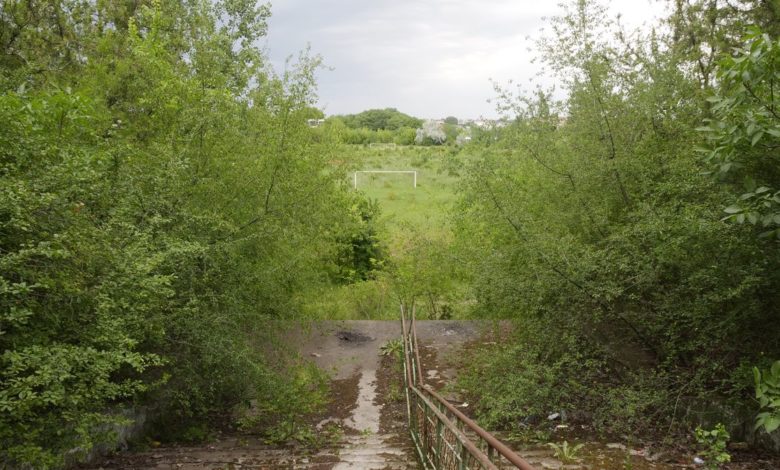
The study finds that Bucharest loses its neighborhood sports infrastructure and tries to show what can still be saved. Everything revolves around a few grieving digits:
– In 1989, Bucharest had over 130 sports and leisure bases – beaches, land, rooms, water bases or athletics tracks – built to encourage movement and active life.
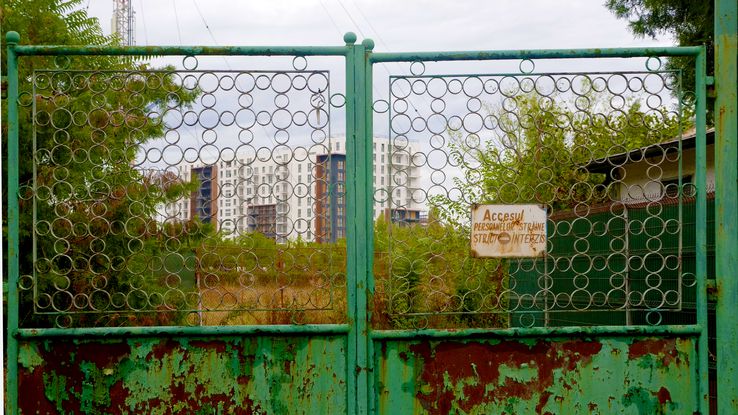
– The researchers have now analyzed 107 of them: only 46 are functional or partially functional, 38 are abandoned, and the rest were transformed into real estate assemblies, parking or shopping centers.
Launched today at the University of Architecture, the inventory is signed by anthropologists Andrei Mihail and Ileana Szasz and historian Răzvan Voinea. They started from the cadastral plan of '89 and completed with field investigations, archive documents, urban regulations and interviews.
The result: The first public inventory of the neighborhood sports infrastructure in the Capital. “An x -ray of decline, but also a lucid call for saving what can be recovered,” as the authors notes in the volume stretched on 535 pages, which also include hundreds of relevant photos.
This inventory is not about nostalgia. It is a work document for those who can make decisions and a mirror of how we neglect health, cohesion and common space. If we do not use it now, there will be nothing left to recover
Răzvan Voineahistorian

From Girueta, Urbis and Pasteur to Builder and will: Map of destroyed or saved bases
Among information on location, property regime, physical condition, urban regulations and maps, examples of bases are succeeded in comparison, missing or kept and modernized.
A few examples! Metal București, Girueta, Urbis and Youth Beach are partially abandoned or abandoned. The cherry officers or fear continues to work, despite the underfunding and lack of support. Aversa or hope triage are no longer used by local communities, becoming vulnerable spaces in the absence of a protective strategy.
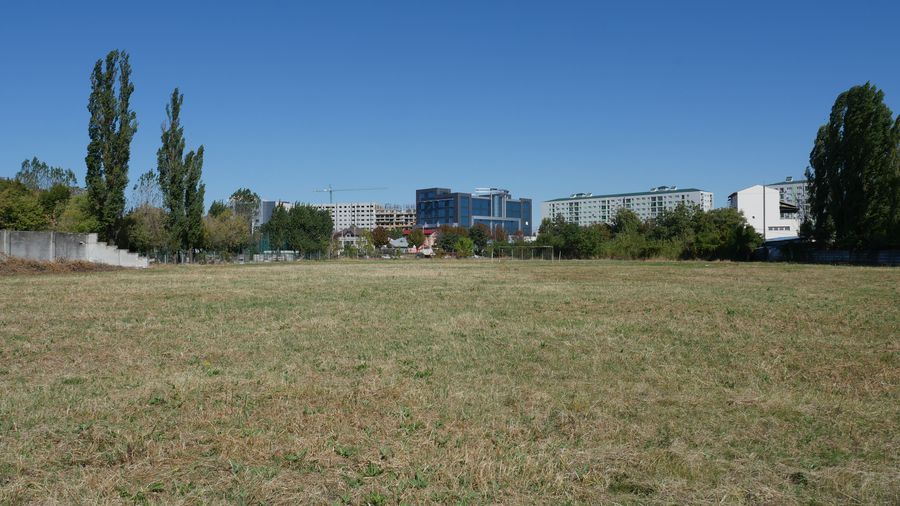
The basis “Urbis” is abandoned
In critical situations, with documentation already structured for conversion to real estate projects, we find FRB (Romanian cotton spin), girueta, tei-toboc and pasteur.
And at the opposite pole, of happy cases, we have the railway builder (southern half taken by Rapid for the Center for Children and Junior), Metaloglobus (the base of the club in L2), electromagnetics (active in Ferentari, constantly rented grounds), will (rehabilitated and used for football and tennis) or the student -year -old complex (open to the year).
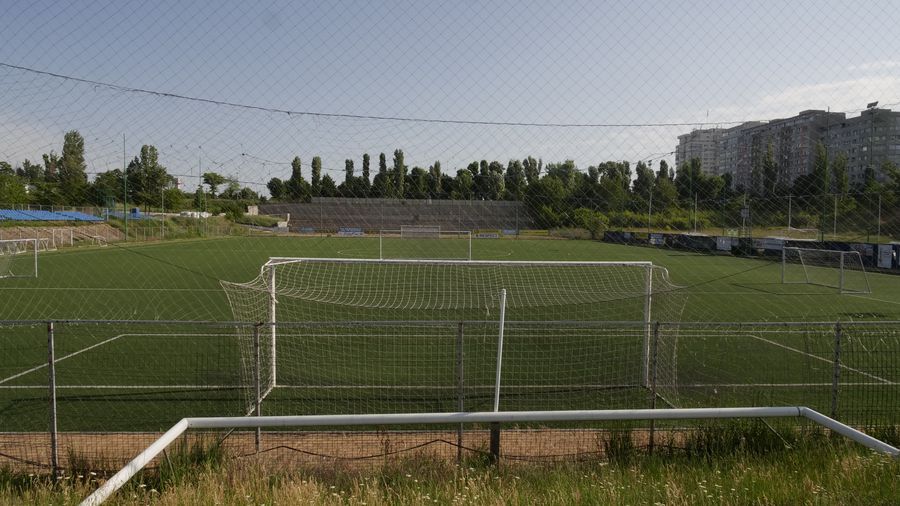
Metaloglobus is one of the saved arenas of the capital
Document for mayors, parliamentarians, architects
The next step? Presentation of the inventory to the local authorities (sector mayors, Capital City Hall, Urbanism and Sports Departments), but also to MPs, urban planners, architects, researchers and local communities, in order to develop public mass policies and use urban lands.
“It is an emergency of public health,” notes the authors, whose research lasted five years, to provide a departure to save sports bases and develop a network in the service of the population. This in a framework in which, invoking the lack of infrastructure, 62% of Romanians do not practice any form of sport, according to the Eurobarometer survey published by the European Commission in 2022.
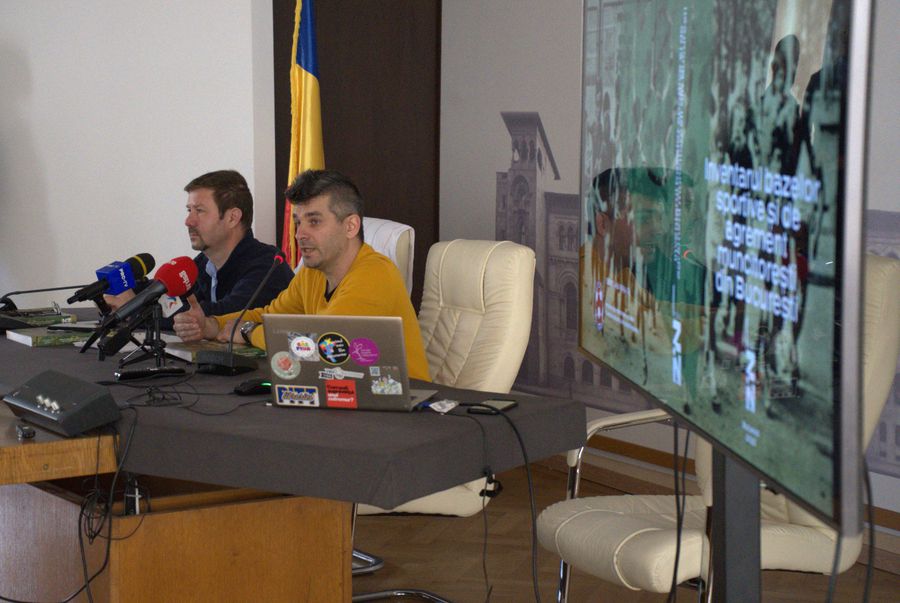
Răzvan Voinea (in yellow) and Bogdan Suditu spoke about the dramatic situation of the Bucharest sports bases
“I started reading at some point in the sports bases in Europe and the US, I understood how their purpose has evolved from the need to fill the time of people or from the desire not to give them time to participate in revolts until a standard of urban quality.
We have a law that should have protected the sports bases, we talked a lot with colleagues from the town hall on these topics, including projects that, defying the law, transformed sports bases into real estate ”, pointed out Bogdan Suditu, the head of the Urbanism Commission in the City Hall of Bucharest.
And he also emphasized: “I feel like a football club owner, who talks about the millions of the transactions with players. But I now refer to land, in a context in which it is for the first time that this inventory is ordered, brought to the surface to be fruned by the authorities.”
Filipescu, Stelea, Daniel Niculae, Niță, Florentin Dumitru – beginnings in neighborhoods
And Răzvan Voinea also referred to the former footballers who started their careers on the neighborhood fields, today seriously: “I have found a lot of information about the beginning stories of important players, even the national team. I think of Filipescu, Star, Daniel Niculae, Niță, Vintilă, Florentin Dumitru or Gherasim, who started on small neighborhood lands, metal, victory, Pasteur or Avera.”
Concludes: “It is about the drain of a selection base, because the big clubs, Steaua, Dinamo, Rapid, also brought children from these sports bases, which served small communities.