Trump administration officials risk being charged for defying the court in the problem of migrants. A federal judge has decided that there are “good reasons”

Trump administration officials risk being charged for challenging the court, after having violated an order of a US federal judge who suspended deportation of alleged members of Venezuela. The judge said on Wednesday that they did not have the opportunity to challenge the expulsion decision, notes Reuters.
In a written decision, the federal judge James Boasberg in Washington, found that there are “well-founded reasons” to defend the officials for the criminal challenge of the court. He said that the administration showed “deliberate contempt” to its order of March 15, which forbid the government to deport alleged members of a venezuela band to El Salvador, based on Alien Enemies Act, a law from 1798.
Many of the lawyers and members of the migrant families claim that those deported are not part of any band and have not had the opportunity to challenge the accusations of the US government.
The judge's decision is the most firm statement from a magistrate who suggests that the administration could be sanctioned, since Donald Trump's return to the White House on January 20. The decision intensifies the confrontation between judicial and executive power.
“It is a very harsh reprimand to the administration and opens the way of procedures to determine who, more precisely, ignored the orders,” said Professor Hafetz of the Faculty of Law of Seton Hall. He said it was a new step towards an inevitable conflict with the courts.
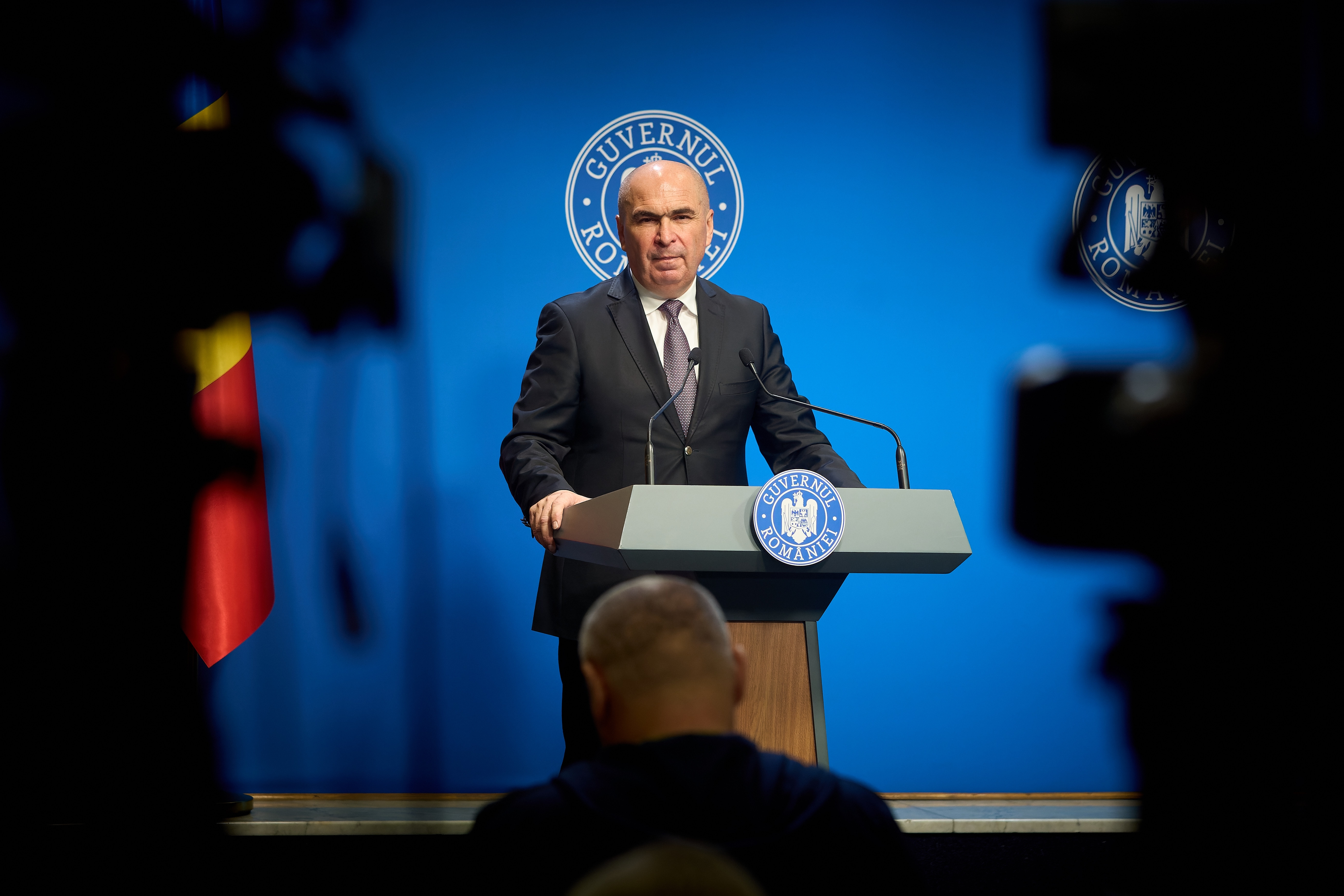
The Communication Director of the White House, Steven Cheung, announced on the X platform that the administration will immediately request an appeal to the higher courts.
The Trump government is facing more than 150 processes on policies adopted in the first three months of mandate. According to some democratic analysts and leaders, in some cases officials deliberately delay the application of unfavorable judgments.
Another case analyzed in parallel by the courts is that of Kilmar Abrego Garcia, a migrant deported by mistake to El Salvador. A federal judge in Maryland announced on Tuesday that he would expand the investigation to see if the repatriation order has been ignored, but said he will not decide whether the administration has defied the court.
After Boasberg blocked deportations, Donald Trump called for the judge's dismissal, which led to a rare reaction from the President of the Supreme Court, John Roberts, who stressed that the disagreements with the court decisions should be resolved by appeals, not by dismissals.
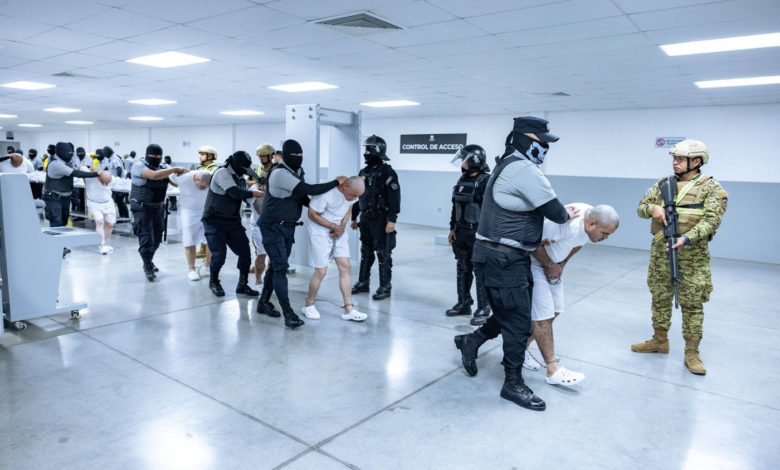
Boasberg's order was issued on March 15, when two Venezuelan migrants were already in flight to El Salvador. Although the order was given before they were handed over to the Salvadorian authorities, the migrants were in detention in the confinement center for terrorism in the country.
In Wednesday's decision, the judge mentioned a post redistributed by Secretary of State Marco Rubio, in which the president El Salvador, Nayib Bukele, ironically commented with “oopsie … too late” on the judicial order. Boasberg wrote that such reactions had transmitted the idea that the court order was challenged “intentionally and with satisfaction”.
The Trump administration claims that it did not violate the order, arguing that, at the time of its issuance, the aircraft had already left the US airspace and that the court does not have the authority to force the government to restore migrants outside the country.
The case is related to the administration's decision to use Alien Enemies Act, a law of over 200 years old, known especially for its use during World War II for the hospitalization and deportation of Japanese, German and Italian immigrants.
The judge suggested that a solution to avoid sanctions would be for the administration to allow deporteed migrants to challenge the expulsion decision, without the need to bring them back to the USA. Boasberg added that the government can propose other ways of compliance.
On April 8, the Supreme Court temporarily suspended Boasberg's order, but established that anyone is aimed at deporting under the law of 1798 must have the opportunity to challenge the decision in court. Boasberg emphasized on Wednesday that this suspension does not cancel the obligation of the Government to comply with the order while it was in force.