Caesarean section before 39 weeks of pregnancy increases the risk of complications for child and mother

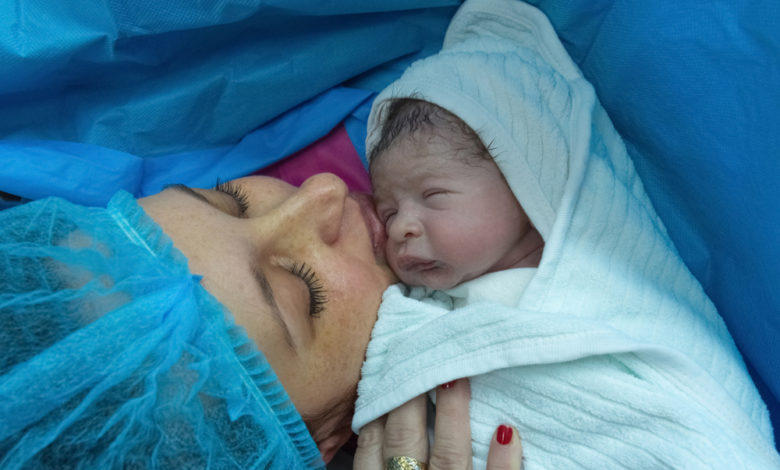
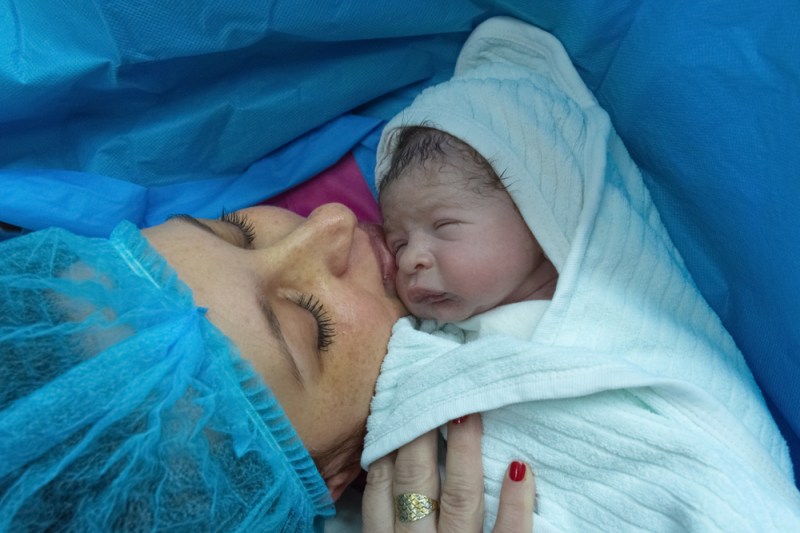
Choosing an early term birth involves induction of labor, so medication and procedures that help to trigger labor that can have complications/photo source: Shutterstock
The last few weeks of pregnancy can be a physical and emotional challenge for many women, but a study by the Mayo clinic warns that babies born by caesarean section before 39 weeks of pregnancy have 63% risk of death in the first year of life, compared to babies born between 39 and 41 weeks.
Pain, swelling of the limbs and anxiety caused by the thought of labor and birth are part of the natural gestation process, but they can become difficult to take or unbearable. A handy solution to avoid the symptoms associated with the last period of pregnancy may seem to choose early, by caesarean section.
Birth before time, associated with risks
However, researchers at the Mayo clinic warn that there may be an increased risk of complications for the mother and newborn, associated with birth before the deadline. The study was also taken over by the Baby Care Sibiu Association, which supports the best conditions of newborns in the neonatal intensive care.
The term pregnancy is calculated as being 40 weeks after the last menstrual cycle. The pregnancy on the term is considered the pregnancy carried out over 37 weeks, but in the case of births between 37 weeks and 38 weeks and 6 days, it is considered to be pregnant tasks.
According to researchers, about 10-15% of all births in the United States take place before 39 full weeks of pregnancy, without a medical indication for early term birth.
“Morbidity and mortality have grown both in mothers and children who are born early compared to those born at or after 39 weeks,” says Dr. Jani Jensen, obstetrician and main author of the study. “We must make known the risks associated with an early term birth.”
Babies born earlier may have difficulty breathing and feed
Increased risks for the newborn include greater predisposition to illness, and these children may have difficulty breathing, feeding and even problems such as brain paralysis. These morbidities also lead to increasing the number of hospitalizations in neonatal intensive therapy.
Choosing an early term birth involves inducing labor, so medication and procedures that help to trigger labor. These can lead to prolongation of labor, the need for tools such as forceps or vacuum for the birth of the child and increase the risk of infection and bleeding.
It also increases the risk for emergency caesarean section and, in the long term, the risk of surgical complications in the mother. “The start of birth is not entirely a benign procedure, we talk about it,” says Dr. Jensen, author of the study.
Future mothers should be informed
It is absolutely necessary for the future mothers and the public to be informed about the term pregnancy and the moment when the child's birth is safe, Dr. Jani Jensen believes.
For example, a recent study in which 650 women who had recently been born were questioned showed that half of them believed that pregnancy at 37-38 weeks is time-term pregnancy, and 25% of these women believed to be born at 34-36 weeks.
Awareness campaigns can help inform about the complications of such a birth. Some hospitals have already taken measures to reduce the rate of births on early term (before 39 weeks) such as prohibiting labor induction before 39 weeks of pregnancy in the absence of a medical indication.
Depending on the case and other specific features, the doctor following the pregnancy is the one who can decide the appropriate time for birth.