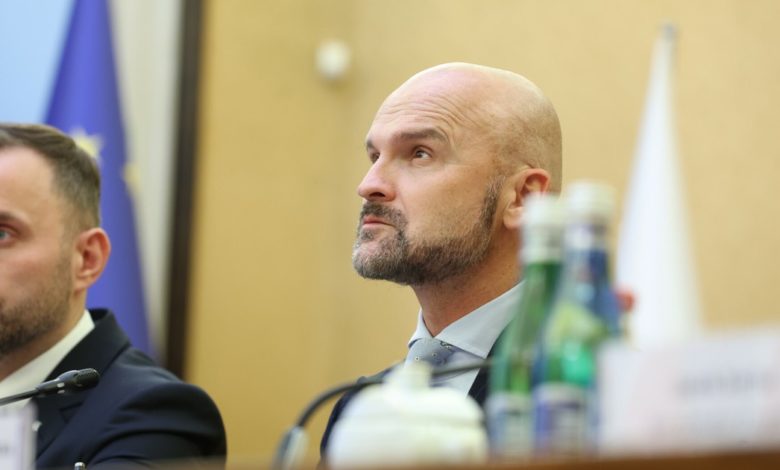
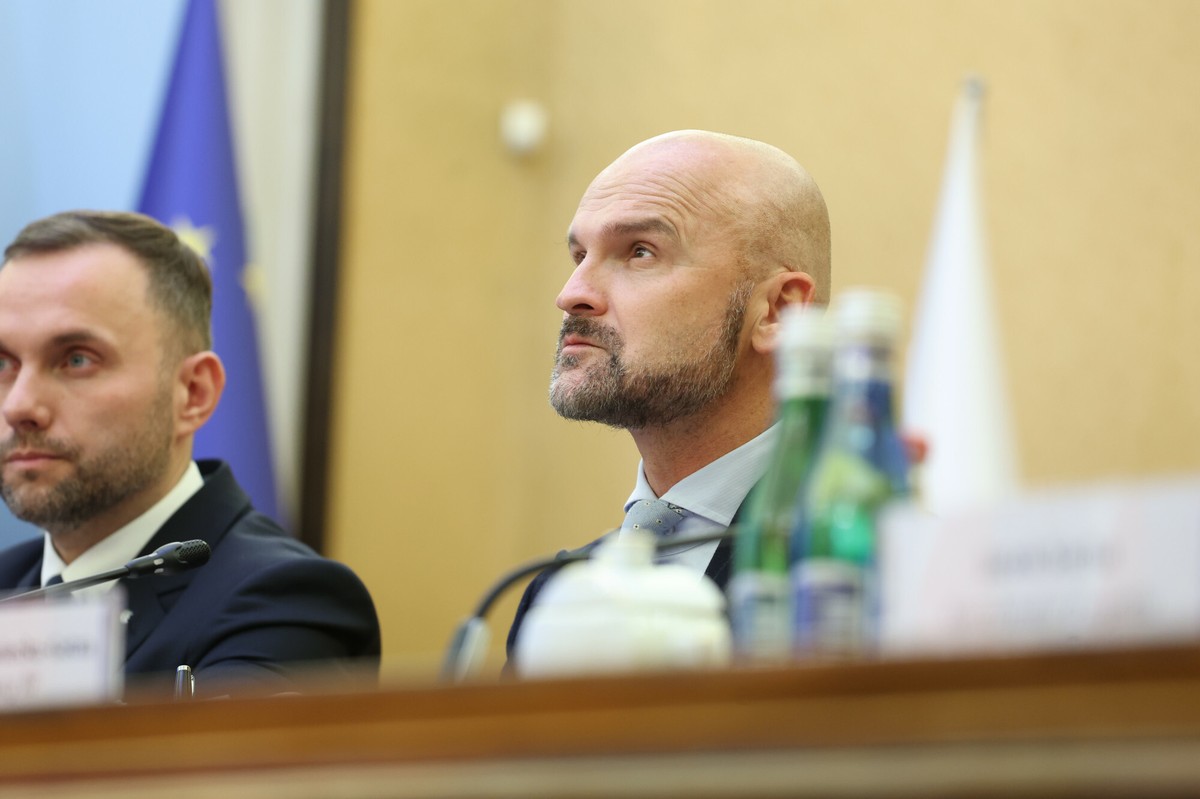
In February this year. Prime Minister Donald Tusk offered to the head of InPost Rafał Brzosce to lead a team that will prepare a package of deregulation proposals. The head of InPostu adopted proposals, and in March the government received the first round of deregulation solutions.
In an interview with PAP, Brzoska expressed the hope that The first proposed solutions will start to come into force in June this year. “At least this would result from the statements of Prime Minister Donald Tusk, who announced that the first projects will go to the Sejm in May. Today we see several projects in the list of legislative and program works of the Council of Ministers,” he said.
When asked about which solutions could come first, he decided that they would be projects related to extending the functionality of digital instruments that already exist, such as a mobiatic or online patient account. “These regulations are so simple that they do not raise any doubts and can be launched by issuing, for example, a regulation at a ministerial level,” he explained.
The head of Inpost pointed out that, contrary to popular belief, officials are also waiting for solutions that will improve their work and are not against deregulation at all. “We have signals that Officials themselves report to our teams, By proposing deregulations within his ministries, “he pointed out.” What's more, they claim that in recent years, when they had been coming out with the initiatives of various changes, they were not heard ” – he added.
Brzoska announced that until June 1 this year. The team will submit a total of about 400 projects and if 150-200 of them come into force, it means that the dedication of 100 days of life made sense. “But if of these 400, for example, a dozen or so, it means that we lost to the state machine,” he pointed out.
Brzoska also emphasized the role of the team of the Standing Committee of the Council of Ministers led by Maciej Berk, thanks to which – as he said – a large part of the already reported deregulation projects received green light at government level, i.e. It has been analyzed and accepted by ministerial experts. He added that about 20 percent It requires clarification and additional expertise, but – as he pointed out – at least half of them are projects that should be accepted.
See also: Rafał Brzoski's team wants changes in pensions. Here are new suggestions
He admitted at the same time that For now, the team's opportunities related to the labor market for foreigners or taxes – e.g. increasing VAT limits or procedures for initiating carnoskarb proceedings, do not have opportunities related to the labor market for foreigners. “But this does not mean that we will not continue to place these demands on our banners,” he said.
Asked if he sees the end of deregulation activities, he stated that at such a pace of introducing new regulations related to, among others With the need to implement the EU directives, it is a deregulation process – as serving primarily for citizens – it should be continuous.
In his opinion, part of the “regulatory monsters”, unfortunately, results from the ambition of our legislators who assume that something must be added to EU regulations. “For example, the Cryptocurrency Directive (regulating the reporting obligations of transactions regarding cryptoctives) at the start is very simple, and in the Polish project it has been added a whole lot of additional regulations that make it, for example, more burdensome for national entities from industry than those registered in other EU countries” – he explained.
Another example of his regulated law is the Act on the protection of personal data (GDPR), which – as a result of the initiatives of legislators – is today the most restrictive in the European Union and the bane not only of entrepreneurs, but also ordinary citizens. “I am convinced that if we were implementing the EU directives simply explaining them, and not adding further regulations to them, as, for example, the Netherlands or Estonia does, it would be much less complaints about EU regulations,” he said.
Brzoska emphasizes that the problem of our system is also Lack of coordination of legislative projects created by individual departments. Knighty – in his opinion – there is, for example, a confusion related to the packaging bailing system, which soon comes into force, and entrepreneurs still do not know what the key parameters of this solution will be.
“That's why the Deregulation Team He should work non -stopnot only by asking the old rules, but should also look at the hands of the legislators, which create a new law, “said Brzoska.
He added, however, that his role ends after June 1 this year. “From the beginning I said that I was taking the challenge for only 100 days – that I would start the whole process, attract and organize people who will want to create something good for Poland,” he said.