Trump announces “direct discussions” between the US and Iran, after recently threatened with bombardments


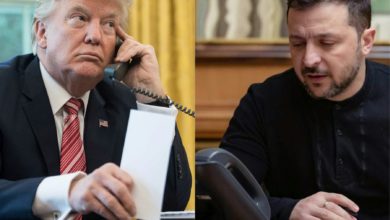
Donald Trump. Photo credit: Photo Press Service / Bestimage / Profimedia
President Donald Trump said on Monday that the US and Iran are starting direct discussions about Tehran's nuclear program, a surprise announcement after Iranian officials had seemed to reject Washington's calls for such negotiations, Reuters reports.
Iran had initially rejected Trump's requests for organizing direct negotiations on the country's nuclear program, even though the American leader had threatened with bombing. However, the representatives of Tehran had shown themselves open to indirect discussions.
“We have direct discussions with Iran and they started. They will continue on Saturday. We have a very big meeting and we will see what is happening,” the US president told the reporters present in the Oval Office, where he held statements with Israeli Prime Minister Benjamin Netanyahu, on a visit to the White House.
“And I think everyone agrees that it would be preferable to make an agreement,” Donald Trump continued, who refused to reveal the location of the discussions.
On March 7, the US President announced that he sent a letter to the Supreme leader of Iran, Ayatollah Ali Khamenei, to suggest the discussion. Iranian officials declared at the time that Tehran will not be brought to negotiations with threats.
In the first mandate at the White House, Trump withdrew the US from an agreement signed in 2015 between several world powers and Iran, which was meant to limit the Iranian nuclear program in exchange for the relaxation of sanctions. Trump has also reintroduced American drastic sanctions.
Since then, Iran has far exceeded the limits that the agreement for the enrichment of uranium provided.
Western powers accuse Iran of having a clandestine agenda to develop nuclear capacities, enriching uranium at a level that far exceeds the justifiable one for a civil atomic energy program. On the other side, Tehran claims that his nuclear program has exclusively civil goals.
Like the presidents before him, Donald Trump stressed that Iran cannot be allowed to develop a nuclear weapon.
“A very big meeting on Saturday” between US and Iran's representatives
During Monday's statements, Trump told reporters that Saturday's discussions will take place at a very high level and talked about the possibility of reaching an agreement.
“We have a very big meeting on Saturday and we treat them directly,” the American leader added.
The change comes in a precarious period for the regional “resistance” of Iran, which it has created with high costs over decades to oppose Israel and United States.
Hamas in Gaza and Hezbollah in Lebanon were severely weakened by Israel in the context of wars, and starting last month the Houthi rebels in Yemen were targeted by the American army's blows.
The fall of Syrian President Bashar al-Assad, another key ally of Iran, further weakened the influence of the Islamic Republic.