Ukraine claims that it would not be certain for Russia to restore the Zaporojie central. Energoatom warning

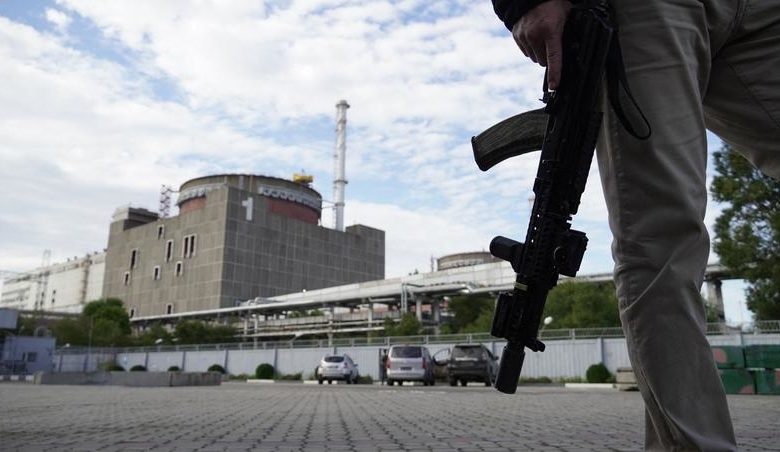
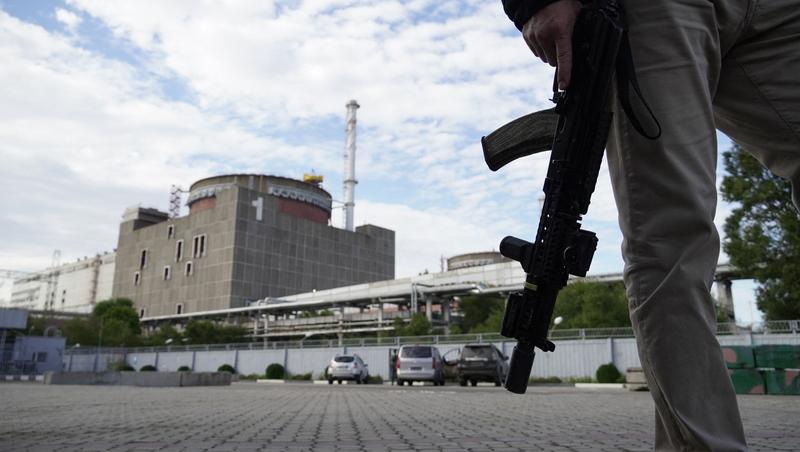
Nuclear power station from Zaporojie, photo: Stringer / AFP / Profimedia
It would not be confident for Russia a restart of the Zaporojie nuclear power plant, occupied by Russian forces, and Ukraine would take until two years to restart it during peace if they regained control over it, says the head of the Ukrainian company who managed the six reactors, according to The Guardian.
The head of Energoatom, Petro Kotin, said in an interview that “major problems” should be overcome-including insufficient cooling, personal and electricity supply-before the unit can start to generate electricity safely.
The future of the Zaporojie nuclear power plant, the largest in Europe, represents a significant point for any negotiations to conclude the war. Captured by the Russian forces in the spring of 2022 and closed for safety reasons a few months later, it is still on the front line, near the Niprus river.
Russia has stated that it intends to keep it and restart it, without providing specific details in this regard. Rosatom chief, Alexei Likhacev, said in February that he will be restored when “they will be allowed military and political conditions.”
Even US President Donald Trump has expressed an interest in taking over under US control, even if such a possibility is considered to be minimal.
Kotin claims that Energoatom is prepared for a possible restoration of the boiler, but that the removal of Russian forces, the demination and demilitarization of the area will be needed.
A restart in operation would last “from two months to two years” in an environment “without any threat from the armies”, but a Russian restart in times of war “would be impossible, even for a unit”, said the chief of Energoatom.
The six reactors, continued Petro Kotin, could only be put into operation after the completion of 27 safety programs agreed with the Ukrainian nuclear regulatory authority, including for nuclear fuel testing in the reactor core as it has exceeded the six -year term.
The boiler was already uncertain, Kotin said, considering that it was used “as a military base with present military vehicles” and “probably there were some weapons and explosive materials.”
Russia has acknowledged that it placed me between the inner and exterior perimeters of the boiler “to discourage the potential Ukrainian saboteurs”, and the inspectors of the International Atomic Energy Agency reported that there are troops and military personnel on the spot.
In March, the US Energy Department said about the Zaporojie power station that it is operated by a “inadequate and insufficiently trained workers”, with a level of personnel reduced to less than one third to the pre-war.
In the information issued by the US it was mentioned that the Ukrainian reactors, although initially designed by the Soviets, “evolved differently” from those in Russia, “especially safety systems”. Thus, according to the report, the specialists trained in Russia acting as substitutes for the Ukrainian staff are “inexperienced” in the operation of the Ukrainian versions of reactors.