“Tell me how it all ends.” Such a thought has recently appeared in the heads of many people – the global economy undergoes a real change in the paradigm. It goes far beyond the American announcement of customs, which are currently shocking global markets and companies. This is a structural and systemic change.
It consists in the fact that policy predominantly drives economics at a time when many domestic economies are extremely susceptible to external forces. The previous role of the US changes in the way most presidents and investors are not prepared.
In just a few weeks, the United States – once perceived as a reliable driving force of the world economy – became the subject of growing fears. Many countries are afraid that they can cause staglation – a disturbing combination of slowing down growth and growing inflation. Instead of discussing exciting innovations that increase productivity, governments and companies around the world are afraid of escalation of customs duties, disturbances of traditional management and challenges related to increased defense financing in a less secure era.
Disturbing forecasts
Although individual countries differ in terms of degree in which they can adapt their policy and strategy to the situation, the field of maneuver is limited – fiscal flexibility is limited by high levels of debt and deficits. Faith in the ability of the American federal reserve to lower interest rates to support economic growth is also much smaller.
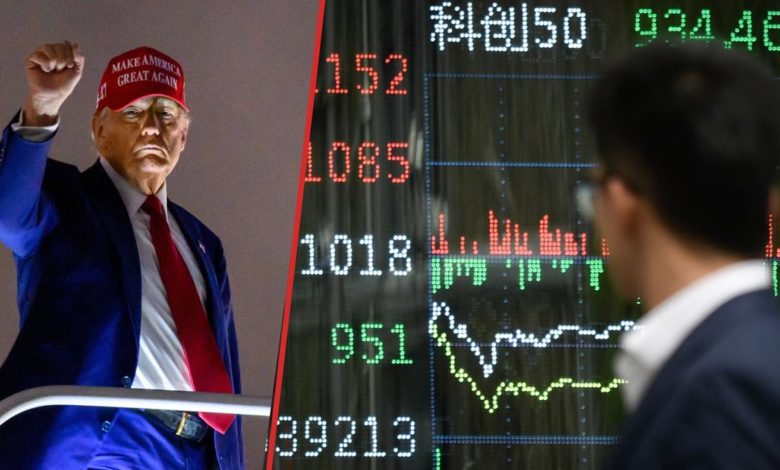
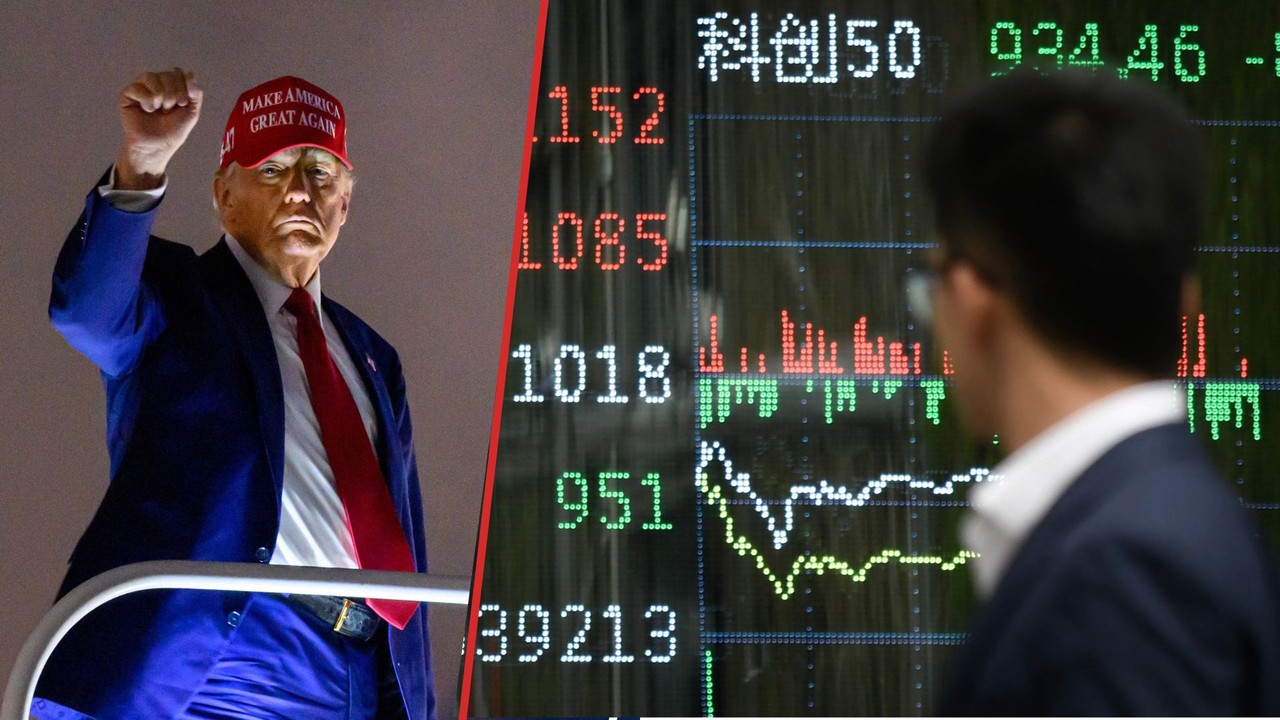
These issues are increasingly reflected in surveys regarding the mood of enterprises and private individuals, as well as on financial markets. The trust of American enterprises and households has fallen while Forecasts regarding long -term inflation have increased to a level unprecedented for over three decades. Both S&P and NASDAQ stock indexes ended the first quarter with strong declines, and the price of gold increased from one record level to another.
Continued article under video material
The poor results of American actions in relation to their European counterparts were stunning. While the markets are worried about the loss of the United States's economic uniqueness, Europe is at the threshold of economic transformation. Putting aside long -term structural deficiencies, investors suddenly adopted the perspective of the largest European economy, which conducts the process of increasing defense and infrastructure expenditure throughout the continent. Also chaired by activities to reduce the vulnerability of innovation, which he has in relation to China and the USA.
New, disturbing world
Probably everyone will agree with the fact that the global economy has entered the bumpy path. However, it is difficult to say in what direction she is going. To find the answer to this question, I turned to several economists and market analysts. I presented them with two opposing scenarios.
One assumed the reconstruction of the global economy in the style of Reagan-Thatcher through the process of creative destruction leading to the creation of more efficient economies and more efficient governments. Its effect would also be a more balanced global growth and a more fair commercial system. In short, this scenario would lead to the creation of much better conditions for the development of innovation in the field of artificial intelligence, robotics, natural sciences and others.
The second scenario assumed to break important economic and financial relations instead of rebuilding them. In such a situation, stagiclation similar to the one observed in the United States during Jimmy Carter's rule would be inevitable. Without a deep crisis that would threaten many years of global depression, it would be difficult to coordinate international policy necessary to meet common challenges regarding environmental issues and high standards of innovation.
Experts did not have a consistent answer. Western economies are in the face of a huge transformation, which has been going on for years. Its effects, although unknown, will probably be far -reaching.
Instead of waiting for the reversal of the trend, companies and governments around the world must accept the fact that they found themselves in an uncertain reality – in which the global economy is heading for an unknown purpose. In order to prosper in the world of structural changes, they must accept uncertainty and variability, they cannot be paralyzed by them. They must also arm themselves with humility, immunity and agility – to a greater extent than before. There are no common answers or simple solutions. This is indeed a new, disturbing world.
I’m Ashley Davis as an editor, I’m committed to upholding the highest standards of integrity and accuracy in every piece we publish. My work is driven by curiosity, a passion for truth, and a belief that journalism plays a crucial role in shaping public discourse. I strive to tell stories that not only inform but also inspire action and conversation.