Almost four years have passed since I became an almost professional patient. After vaccinations for coronavirus, I always had quite serious side effects. And then, just before Christmas 2021, I landed at night on a sharp duty. I had a heart arrhythmia and pathologically high inflammation. The doctor diagnosed pericarditis and myocarditis. The catheter was used to drain about a liter of unnecessary fluid from my heart and lungs. Since then, I have regularly visited various doctors.
Although I think most of them are very nice, I don't like going to them. I have no problem with undressing from people, pissing into cups or being pushed into a magnetic resonance imaging. I just think it all takes a lot of time. And I like to do different things so much! I love my work, traveling around the country and asking people a lot of questions. I have a great family and friends with whom I love to spend time. I write books, create music and take pictures, take care of the garden. Each minute spent at the doctor or in the waiting room seems to me wasted a minute because I can't do all these things.
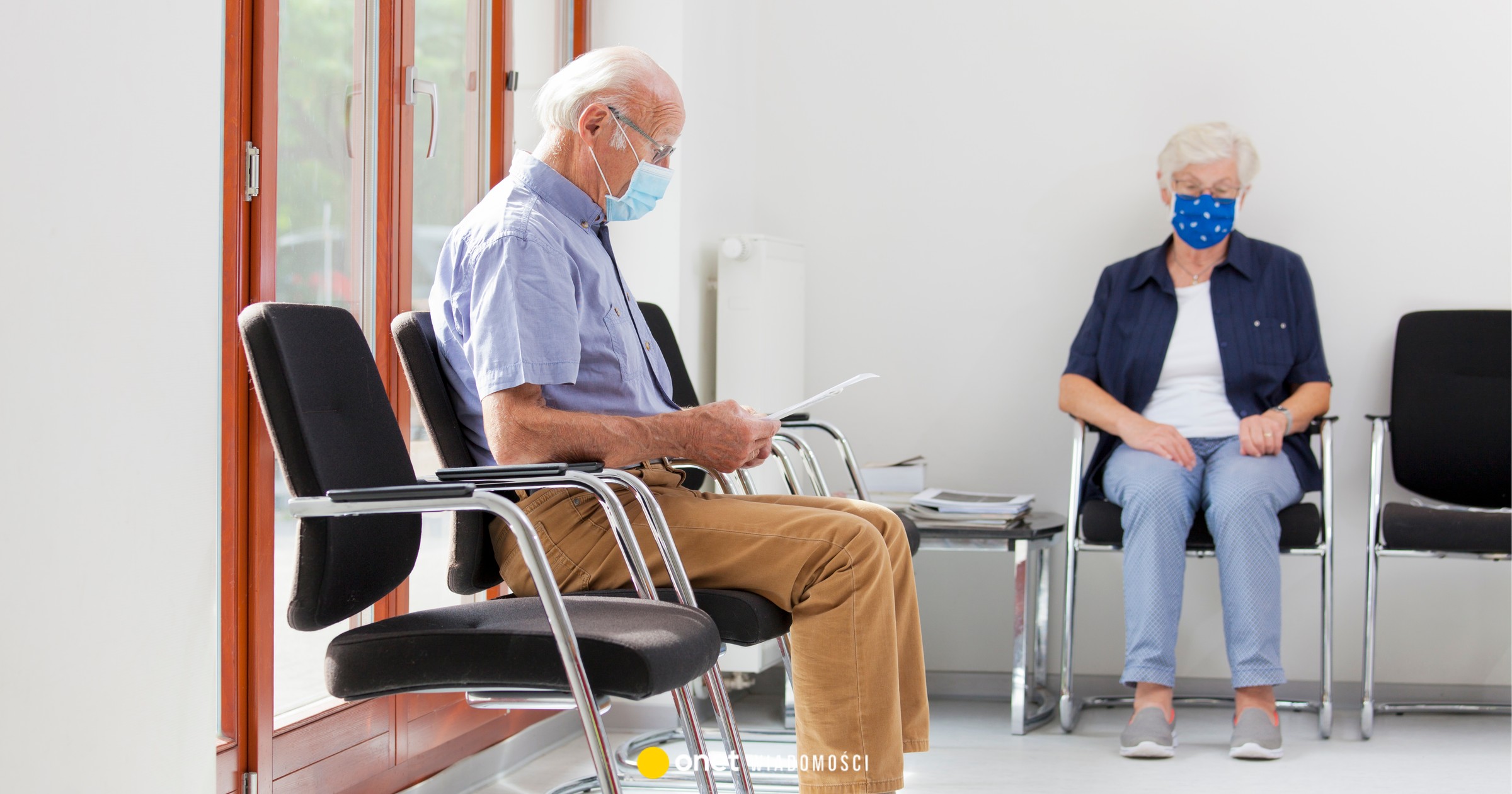
When I sit in the waiting rooms and briefly browsing the newspapers or one of these special editions “splashed” about the Third Reich, I always die of boredom. But then I notice many people who really like to be here. They are older, lonely ladies. In skirts, in tights without any rolling up, with polished shoes, perfectly painted lips and shiny earrings. There are also lonely men – who, incidentally, give up a bit compared to women – in their worn moccasins and shirts strained around the abdomen.
Continued article under video material
When They greet themselves so cheerfully and waiting, entering the office and hoping to hear a different voice than their ownmy heart is melting. I am aware that for many people in this increasingly aging country it is the last a bit of humanity they experience.
“Mentality of unreliable, fully comprehensive insurance”?
Hendrik Streck, MP and commissioner of the German government for drug affairs, recently interviewed the newspaper “Rheinische Post”. – While people in Denmark go to the doctor on average four times a year, and in France five times a year, the Germans visit the doctor's office on average 10 times a year. It's too much, often unnecessary And this is a huge burden for the system – said the MP.
Streck called this “unreliable mentality of full insurance.” He suggested limiting “trivial visits” through “moderate, socially acceptable co -payment”.
On the one hand, I can understand this. There are many hypochondrians in Germany. Especially in recent years there has been a tendency to pathologize everything. Each celebrity talks about depression, ADHD, being in a spectrum, alcoholism, any disease, addiction to World of Warcraft or “mental burden” in the hope of invitation to television programs of podcasts.
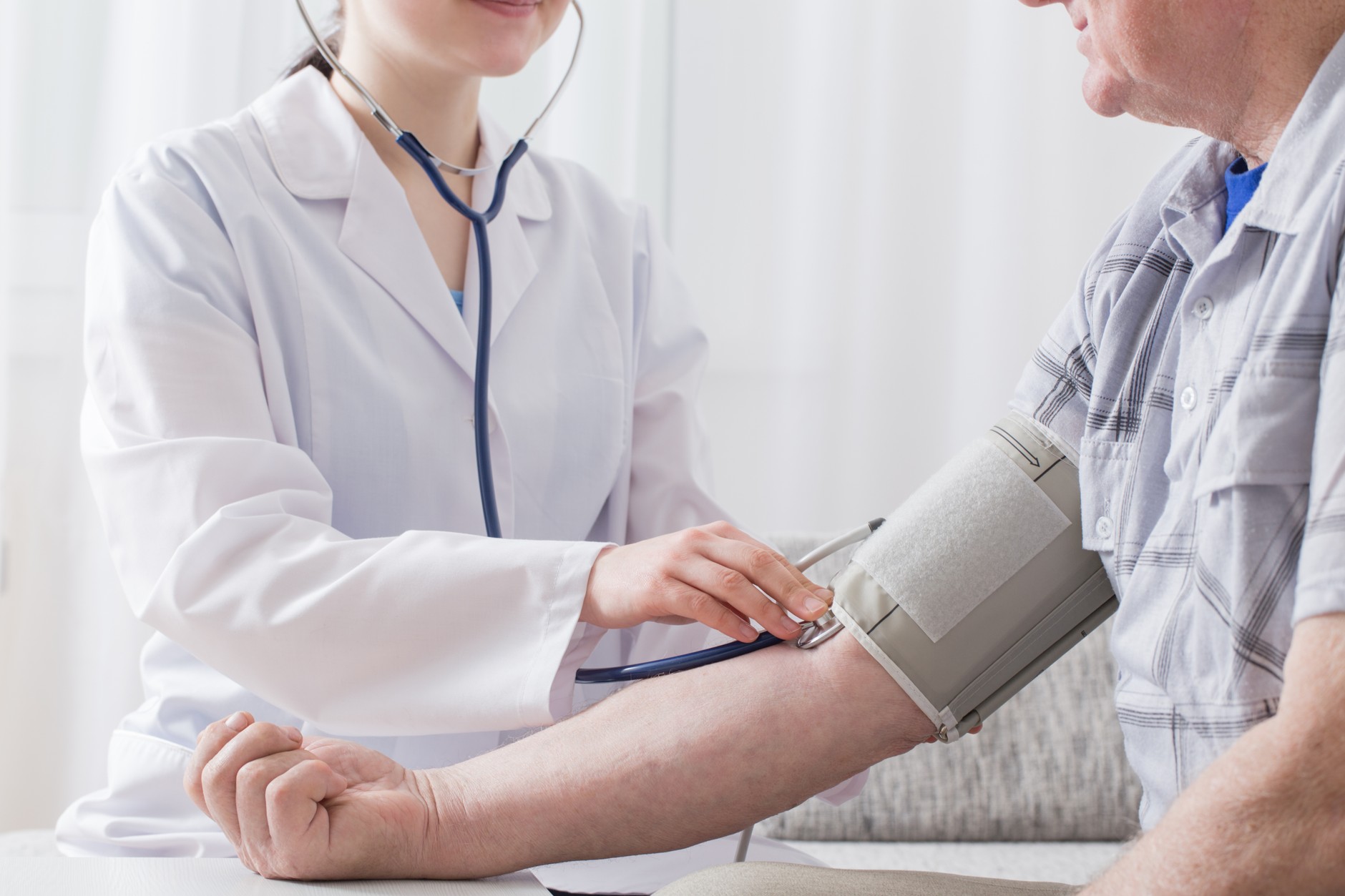
Senior during the study. Illustrative photoMaya Kruchankova / Shutterstock
This is true – many people who go to doctors are probably not physically ill in the sense that they need physical treatment. And I think that appeals like the one from the hospital in Darmstadt, “do not go to the emergency room with a cold” are justified. Because if you are a cold or you have a dislocated finger, You should not be on a sharp duty, but in bed, in a bathtub or in front of the TV.
But when people with serious physical ailments stop going to the doctor because of a lack of money, it begins to get terribly. I also think that The work of first -contact doctors goes beyond the diagnosis and treatment of physical ailments. Family doctors are also psychologists and trust phones.
“The suicide indicator increases significantly in old age,” says Dr. Uwe Sperling from the University Hospital in Mannheim, a member of the board of the German Society of Suicide Prevention. – 42 percent All suicides in Germany in 2021 were committed by people over 65 years of age.
The probability of suicide increases significantly again when people reach the age of 80. By the way, about 75 percent Suicide deaths in Germany are men. Perhaps no cataract is detected and treated during one of those “trivial visits” that Streck complains about, because the patient has no cataract at all. But life is still saved there. Even if it is only “good morning” in the waiting room.
I’m Ashley Davis as an editor, I’m committed to upholding the highest standards of integrity and accuracy in every piece we publish. My work is driven by curiosity, a passion for truth, and a belief that journalism plays a crucial role in shaping public discourse. I strive to tell stories that not only inform but also inspire action and conversation.