David Baltimore, the reputed Nobel laureate who was unjustly accused of fraud, died at the age of 87

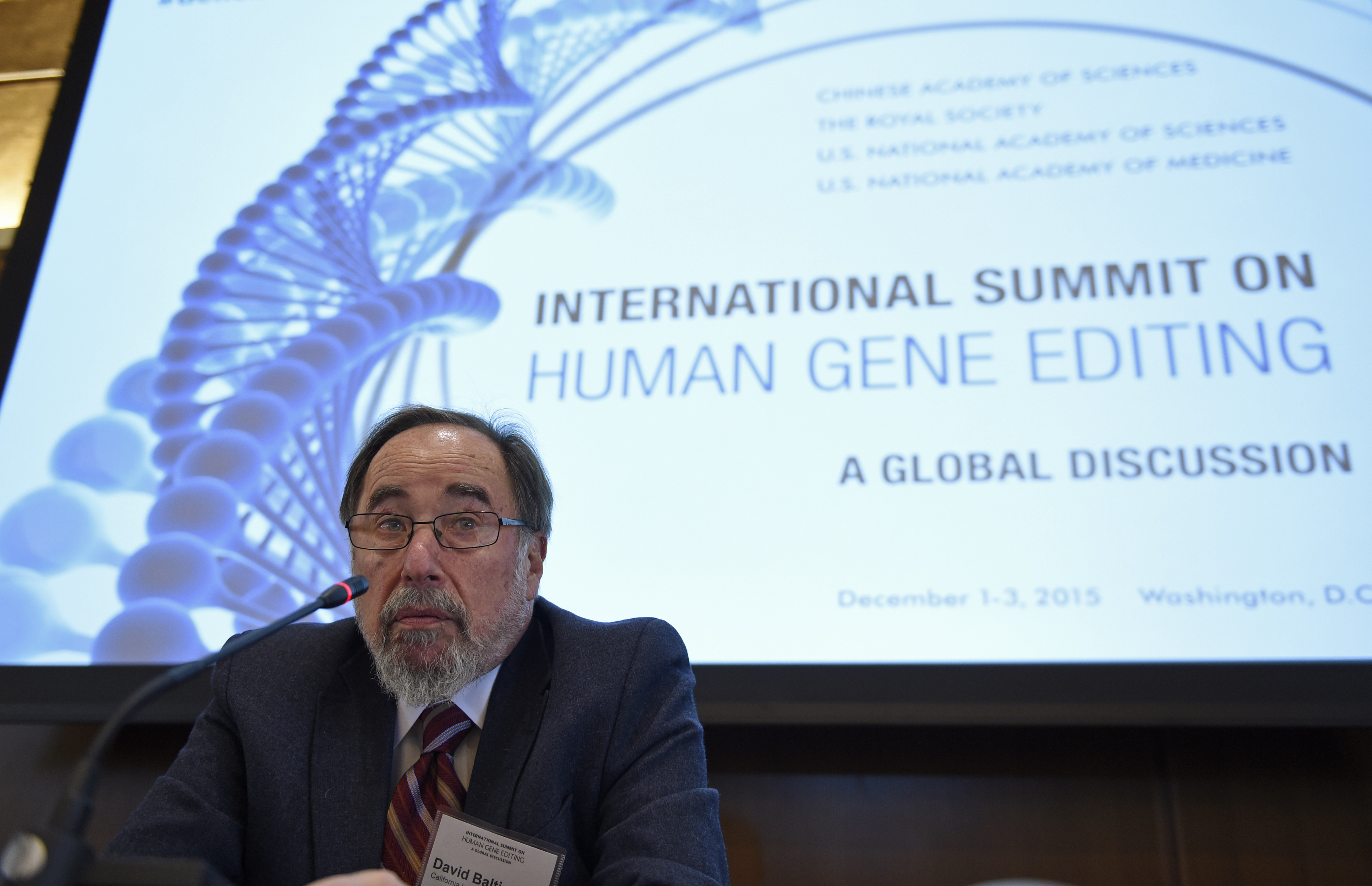
David Baltimore, the American biologist who in 1975 won the Nobel Prize for Medicine for an amazing discovery that would shake the foundations of the just born domain of molecular biology, died on Saturday at his residence in the state of Massachusetts. He was 87, The New York Times reports Monday.
Alice Huang, his wife, said in a statement that he died on Saturday due to complications caused by several types of cancer.
Dr. Baltimore was only 37 years old when he realized the discovery for which he was distinguished with the Nobel, overturning what was called the “central dogma”, which stated that the information from cells “flows” in one direction-from DNA to RNA and then to protein synthesis. Dr. Baltimore showed that the information can circulate in the opposite direction, from RNA to DNA. The key was to identify a viral enzyme, called transcriptase, which reverse the process.
The discovery made while he was a professor and researcher at the prestigious MIT University led to the understanding of retroviruses and other viruses, including HIV, who use this enzyme. Today, the genera-based re-actual retroviruses are used to introduce healthy genes into patient DNA, thus correcting genetic diseases.
Admired and envied, praised and attacked, Dr. Baltimore lived most of his scientific life under reflectors, being an imposing figure of modern biology. He was the president of two prestigious universities, Caltech and the University of Rockefeller, and an early supporter of AIDS research.
The scandal that stained the reputation of the Nobel laureate
He was forced to defend himself against fraud accusations that later proved to be manufactured, in an extremely publicized case that lasted a decade and started in the 1980s, involving accusations that a researcher in his laboratory would have reported erroneously.
It all started when a postdoctoral stock market, Margot O'Toole, accused a researcher, Thereza Imanish-Kari, of incorrectly reported in an article published in the magazine Cella. Dr. Baltimore Figure as an author of that article, although the work had not been done in his laboratory.
The case escalated, initiating investigations from the National Instites of Health and the US Secret Service, which conducted a forensic analysis of the laboratory cards of Imanish-Kari. There were also tense hearings led by the Democrat of Michigan John Dingell Jr., chairman of the Energy and Trade Committee of the Chamber of Representatives. As a Nobel laureate, Dr. Baltimore became the central target of the case; He maintained his position, facing Dingell in the hearings and insisting that there was no fraud.
As the investigation continued, Dr. Baltimore, who had left the position of professor at MIT during the episode to become president of Rockefeller University, was forced to resign. He left in 1991, just 18 months after assuming his position. Myth immediately guest to return as a teacher.
“It was the glory time of myth,” said a colleague.
David Baltimore a fo
Dr. Baltimore and Dr. Imanishi-Kari were finally avenged in 1996, when a complete appeal has established that the accusations of fraud were unfounded. However, Baltimore said that this case has made its mark on it.
“I will never be able to forget it,” he said in an interview at the time. He told that he had kept all the first page articles in New York Times Regarding the accusations, in the basement, unread, hoping that one day they will have the stomach necessary to go through them.
Later, he said that he finally read an article in The Timesan editorial that exonerates it. “This,” he added, “is one of the things I remember with the greatest love” of that nightmare period of his life.
In addition to the Nobel Prize, Dr. Baltimore also received a number of other distinctions and honors, including the US National Medal. He was a member of the National Academy of Sciences, an associate member of the American Academy of Arts and Sciences, president of the American Association for the Progress of Science and has published over 600 scientific articles.