“We will not have a treaty here in Geneva.” 185 countries negotiated a major problem for ten days but failed to reach a compromise


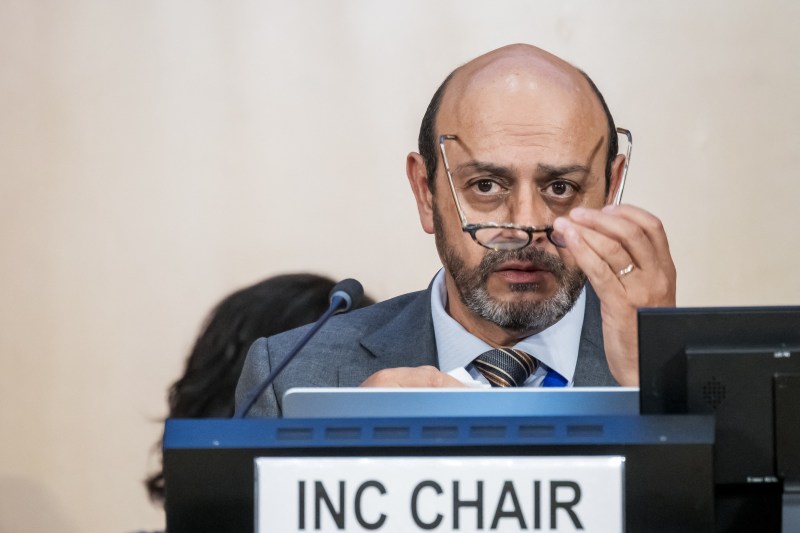
Luis Vayas Valdivieso was criticized for conducting negotiations for a plastic pollution treaty. Photo: Fabice Coffrini / AFP / Profimedia
The 185 countries gathered in Geneva failed on Thursday night to Friday to reach an agreement on a treaty to combat plastic pollution, which is aggravated on the planet, reports France Presse.
“We will not have a treaty on plastic pollution here, in Geneva,” said the representative of Norway on Friday morning at the plenary session that extended to the sunrise.
A little earlier, India and Uruguay had said that the negotiators “do not have the ability to reach a consensus.”
The form of compromise presented at midnight contained over one hundred points that had to be clarified, after 10 days of intense negotiations, but the heads of the delegations gathered in informal session failed to reach an agreement.
The future of negotiations is not clear at this time. Uganda requested a new negotiation session at a later date, and the European Commissioner for Environment, Jesiika Roswall, claimed that Geneva discussions have allowed the “solid base” to resume negotiations.
Diplomat Ecuadorian Luis Vayas Valdivieso, who also presided over the negotiations in Busan, in South Korea, at the end of 2024, would hold a short press conference, according to the UN representatives.
His negotiation methods and procedures were severely criticized throughout the Diplomatic Round in Geneva, but often anonymously.
Theoretically, the CNI5-2 negotiation round, which started in Geneva on August 5, had to end at midnight (01.00 in Romania)
Divisions between the two camps that have faced this topic remain deep.
The “ambitious”, including the EU, Canada, Australia, many countries in Latin America, Africa and Islands, want to clean the planet from the plastic that begins to destroy it and affect human health and, above all, to reduce world plastic production.
On the other hand, oil -producing countries refuse any restriction on the production of hydrocarbons, which are the basis of the plastic industry, and any prohibition of harmful substances or dangerous additives.