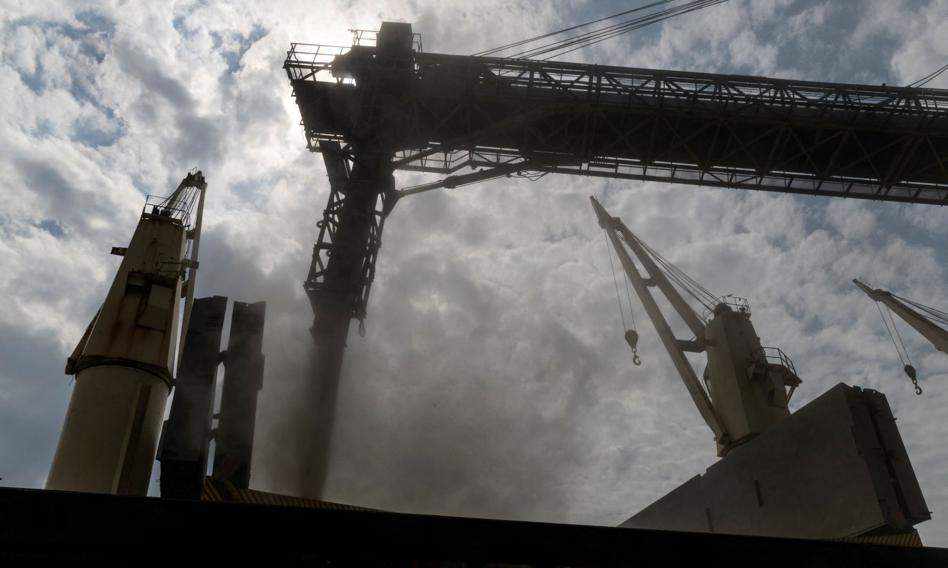
The US is considering lifting sanctions on Iranian oil. This could have a big impact on oil prices

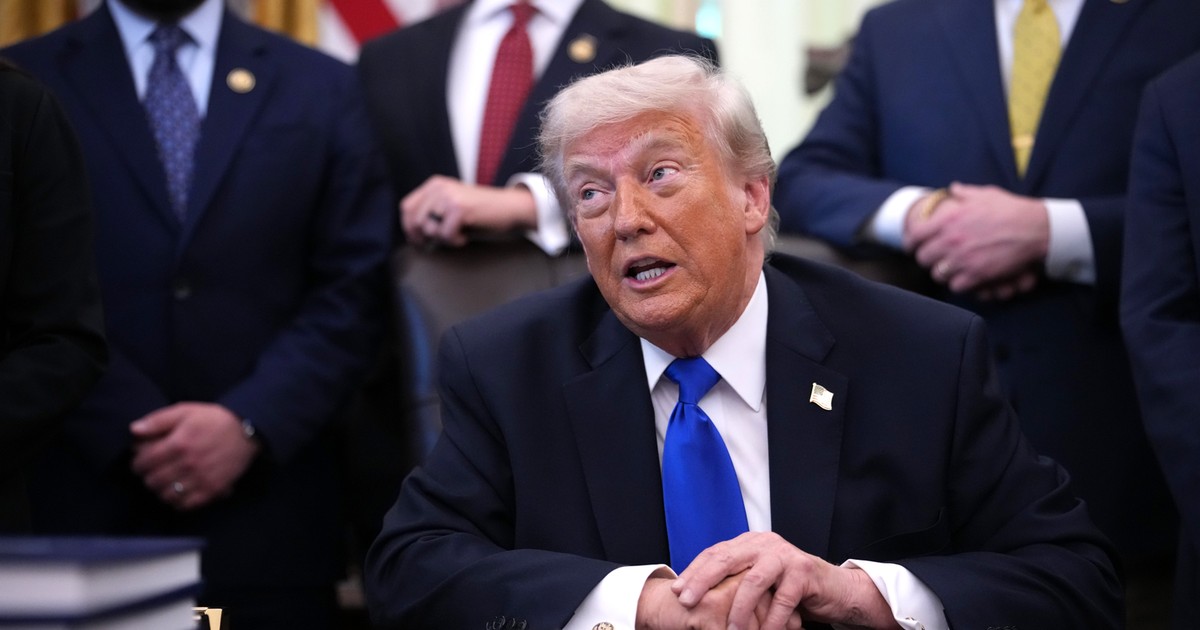
Iran's semi-official Tasnim news agency reported, citing a source close to the negotiating team, that the United States had not yet confirmed an offer of a waiver that would remain in force until a final agreement is reached.
Fars, another semi-official news agency from Iran, citing documents obtained from Iran's Ministry of Economy and Finance, indicated that the country has launched a bitcoin-based insurance service for shipping companies that want to transport goods through the Strait of Hormuz. This service, called Hormuz Safe, can generate over $10 billion, according to the Iranian government. income for the Islamic Republic, but did not provide a time frame or details on how the service would operate.
The attack on the nuclear power plant drove up oil prices
However, in recent hours the market received other information that boosted the price of crude oil. On Sunday, United Arab Emirates authorities said an attack by an unidentified drone caused a fire at the Barakah nuclear power plant in the northwest of the United Arab Emirates. There was no radiological impact. On Monday on the oil market, WTI contracts for June will fall by 0.36%. up to $105.05 per barrel, and July Brent futures increase by 0.2%. to $109.46 per barrel.
“The terrorist attack on the Barakah Nuclear Power Plant, whether carried out by the principal or through one of his proxies, constitutes a dangerous escalation and a dark chapter that violates all international laws and norms,” Anwar Gargash, senior foreign policy adviser to UAE President Sheikh Mohammed bin Zayed, said in a post on X.
Bloomberg indicated that the United Arab Emirates was the most aggressive Arab state towards Iran, both in terms of rhetoric and conducting limited attacks on the Islamic Republic before the ceasefire came into force on April 8.
Iran has not publicly commented on the attacks. Reuters reported that Pakistan sent 8,000 troops, a squadron of fighter jets and an air defense system to Saudi Arabia as part of a mutual defense treaty signed last year, citing people familiar with the matter.
US President Donald Trump earlier expressed frustration with Iran and said “time is running out”, hours after drones attacked a nuclear plant in the United Arab Emirates. They were his most aggressive comments directed at Iran since returning from a trip to China on Friday, a efforts to move beyond the fragile ceasefire have failed to produce a breakthrough.
Five points of the US peace plan. Oil supplies are dwindling rapidly
Over the weekend, the Fars agency reported that The United States set five main conditions for the peace agreement. These included Iran's transfer of enriched uranium to the United States, no war reparations, and the unfreezing of less than a quarter of Tehran's frozen assets. The United States has not publicly commented on these terms.
Reparations and asset unfreezing are part of Tehran's demands for a peace deal, along with an end to the U.S. blockade of Iranian ports and retaining some control over maritime traffic through the Strait of Hormuz.
“We want to reach an agreement,” Trump told Axios on Sunday, adding that he was waiting for Iran's updated proposal.
Fatih Birol, head of the International Energy Agency, said on Monday that commercial-scale crude oil supplies are dwindling rapidly and that due to the war with Iran and the closure of the Strait of Hormuz to shipping, they will only last a few weeks.
European Commission President Ursula von der Leyen said stopping the attacks and normalizing shipping in the Persian Gulf and beyond should be the first step in negotiations between the US and Iran.
— We should at least agree on the first stage, stop the attacks and open the Strait of Hormuz. “We can move on from there to negotiations on difficult issues, but it's very difficult and ultimately the US has to reach an agreement with Iran,” she said.
The war in Iran affects the market
The 10-year U.S. Treasury yield hit a 15-month high of 4.63% on Monday, after rising 23 basis points last week. The yield on 30-year bonds reached 5.16%. after rising 18 basis points last week. The yield on 10-year German bonds rose to a level not seen in 15 years.
See also: The dollar started the week with a correction. The zloty is gaining against the American currency
The yield on 10-year Japanese bonds has reached a peak not seen since 1996, when the government proposed issuing new debt to finance planned budget amendments to ease the effects of the war with Iran. The 30-year Japanese government bond (JGB) yield rose more than 10 basis points to an all-time high of 4.20%. The increase in Treasury bond yields is also visible on other markets, including: in Poland, where 10-year securities dropped below 6 percent again.
Kenneth Broux, director of corporate research, foreign exchange and interest rates at Societe Generale, said that to stop what he called a “slow crash” in the bond market (rising yields mean falling bond prices), it would take a fall in oil prices, a rise in recession fears enough to create a wave of demand for safe bonds, or a decline in valuations enough to attract buyers.
— I think the key is that the data confirms the inflation fears that have been circulating in the market since the beginning of the conflict in the Middle East – said Nick Twidale, chief market analyst at ATFX Global.
— We expect bonds and commodities will continue to be the fastest to incorporate these risks into valuations. The longer this continues, the more likely it is that higher interest rates and energy prices will begin to have a more lasting impact on corporate profits. This is particularly important in the context of high share valuations, said Emma Moriarty, portfolio manager at CG Asset Management.