“Links with the aggressor country” vs. “A rhetorical question”. Serious accusations in Ukraine, after fighting anti -corruption seems to have received a blow

A well-known anti-corruption investigator in Ukraine has come out public and criticized the Kiev Government's decision to reject it as head of the Agency for Economic Crimes, qualifying it as illegal, which is an unusual public statement in an area in which prosecutors rarely express themselves due to the delicate nature.
Oleksandr Tsyvinsky, who is currently the head of the detective unit of the Ukraine National Anticorruption Bureau (Nabu), has given its first public interview, for the Ukrainian Economichna Pravda, accusing the government of using “manipulative concerns” related to security to block its economic office.
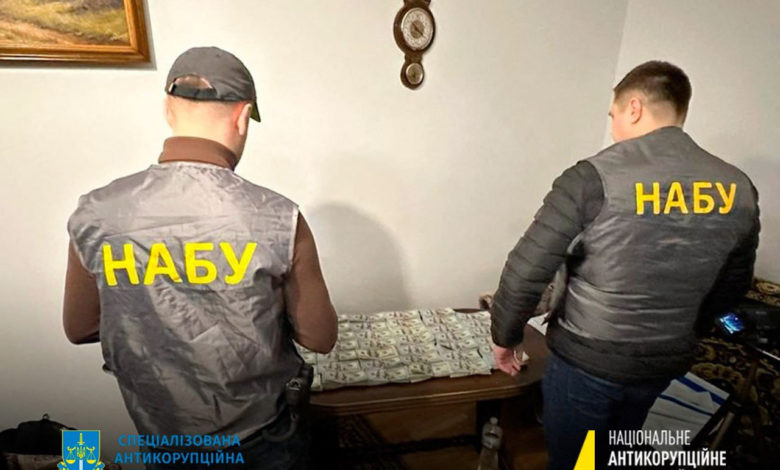
The decision to reject Tsyvinsky's candidacy came in the context of a wider removal of the voices involved in the fight against corruption, including the activist Vitali Șunin, and of the recent searches carried out on Monday, July 21, by the Security Service of Ukraine (SBU) at the Nabu headquarters.
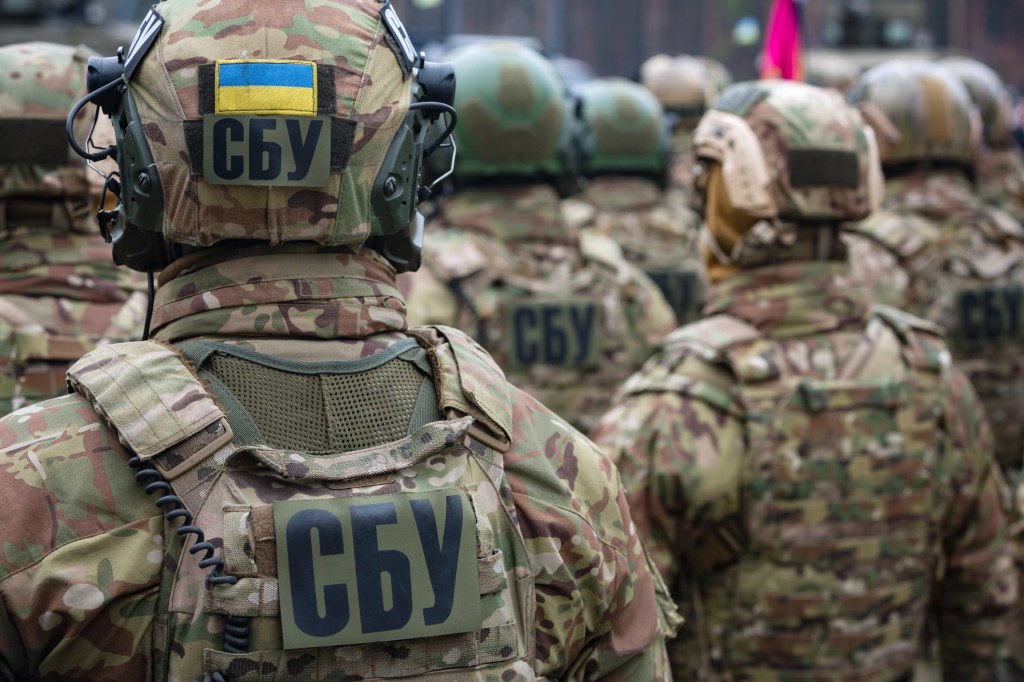 Large -scale searches among the Ukraine anti -corruption agency. SBU hunts for Russia's “grinders”
The observers accuse President Volodimir Zelenski and those in his restricted circle of trying to control the state's independent agencies, notes The Kyiv Independent.
The Bureau of Economic Security, established in 2021 to investigate economic crimes, was widely criticized for inefficiency and, sometimes, because it was used as a pressure tool on certain companies.
In the recent efforts to reorganize the agency, an independent selection commission at Tsyvinsky nominated for the office, but the Kiev government rejected its candidacy, invoking supposed connections to Russia revealed in a letter of the Security Service of Ukraine (SBU). Tsyvinsky's father, with whom Oleksandr no longer keeps in touch, lives in Russia and has a Russian passport.
Asked by Economichna Pravda, if SBU raised signs of concern about his father's citizenship during previous checks, Tsyvinsky replied: “Not at all”, qualifying the story of his father as “manipulative” and stating that he exploits Ukraine's sensitivity to anything.
After the government initially rejected Tsyvinsky's candidacy, the independent selection commission – made up of three international experts and three Ukrainian experts – said that it was aware of the fact that his father holds Russian citizenship when he considered his nomination.
The Commission maintained its decision to nominate on Tsyvinsky as head of the Anticorruption Economic Bureau and returned the candidacy documents in Kiev.
Following the negative reactions to the Government's decision, Ukraine's new prime minister, Iulia Sviridenko, said that the rejection of Tsyvinsky's candidacy by the Ministers Cabinet was “in accordance with the law”.
“We were presented with a decision, as members of the Government, we analyzed it, and each of us had the opportunity to express their position: to refrain, to vote” for “or to reject, in accordance with the information received (…) on the bonds with the aggressor country,” said Sviridenko, in Parliament.
The appointment of a new head of the Agency for Economic Crimes until the end of July is provided in Ukraine's commitments to the International Monetary Fund (IMF) within the Loan Program granted to Kiev. According to the law of establishing the Economic Security Office, the Government has 10 days to appoint the candidate proposed by the Commission.
The team of the opposition from the opposition Yaroslav Zhelezniak, who was co -author of the legislation regulating the process of selection of the office management, previously told the Ukrainian press that there is no mechanism to reject a properly nominated candidate.
Tsyvinsky, whose interviews are rare, given the usually discreet public profile of anti -corruption investigators, intervened to address the controversy around his father's alleged Russian passport. He said he did not talk to his father for over a decade and that he did not know his citizenship status.
Tsyvinsky also mentioned that Ukraine's security services have checked it several times, including sensitive functions in the field of military information during the war. He has been working in the field of law enforcement since 2003, when he first had access to secreted information.
“I worked in the military intelligence services. It would have removed me from there if there had been a threat to the Security? It's a rhetorical question,” he said.
In the interview, Tsyvinsky also highlighted a number of discredit campaigns against high anti -corruption candidates. He added that if there were real security concerns, his current employer from Nabu would have been informed and the information would have been made public.
“I will certainly not leave this story as it is,” said Tsyvinsky, promising that he will take legal actions if he considers it necessary.
“I am ready to fight. For me, it is primarily a matter of personal dignity,” he said.