Romania has exhausted its natural resources since May. When the “day of overdue” comes globally and what can we do to slow down the phenomenon

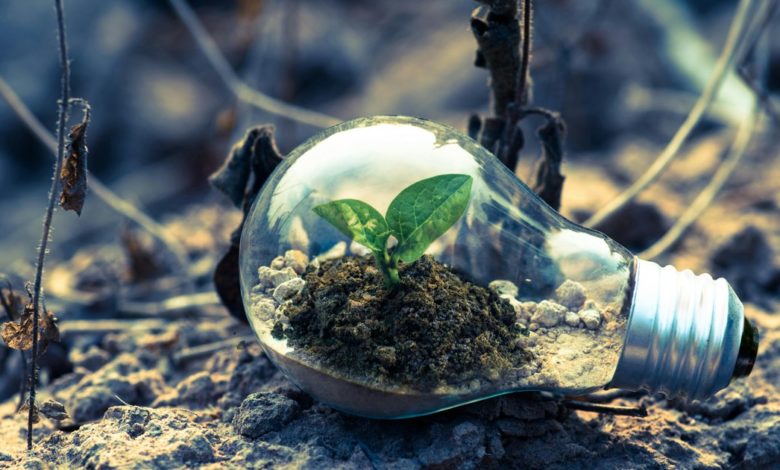
Humanity will enter the “ecological deficit” on July 24, a week earlier than last year, according to data published by the Global Footprint Network, the international organization that calculates every year Earth Overshoot Day – “The Day of Earth's Employment” or “The Day of Overcoming”.
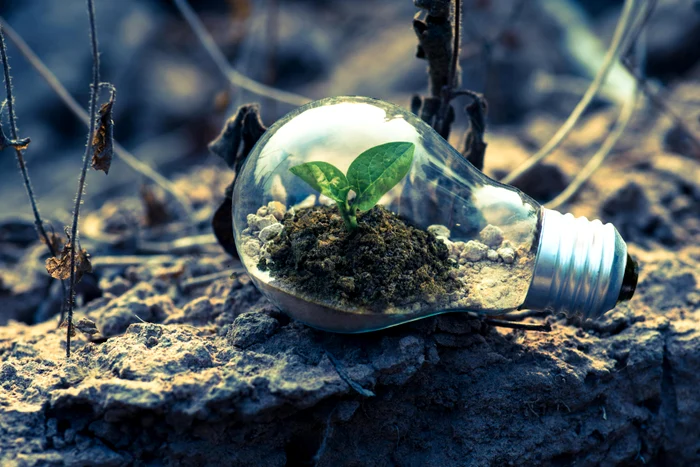
The planet is suffocated due to pollution. Photo: Pexels
Romania has a significant regress, exhausting its resources this year since May 31, compared to 2024 when it reached the critical threshold on July 20. In a ranking of the countries of the most attentive to the natural resources, we are in 34th place, immediately after Hungary, for which the day of overcoming was on June 2 and before Greece (May 25). The first places are Uruguay (December 17), Indonesia (November 18) and Nicaragua (November 11). Of the European countries, the best placed in this ranking is Albania (September 13).
The countries that consume the natural resources at an alarming pace are Qatar (February 6), Luxembourg (February 17) and Singapore (February 26). Other countries with large ecological debts are the US (March 13), Denmark and Australia (March 19), Canada (March 26), Belgium (March 27), Lithuania (March 28) and Austria (March 29).
How we could “pay the debt”
The day of overcoming marks the moment when the demand for ecological resources and services from a year exceeds what the Earth can regenerate that year. Basically, after this date, humanity lives through the exhaustion of natural capital, further eroding the biosphere. Everything that is consumed on Earth in this interval, food, energy, raw materials, is made on account of the “allocated” resources to future generations, shows experts from Global Footprint Network, quoted by the non-governmental organization.
According to the measurements, if in the 1970s, the day of overcoming was placed in December, the situation has come to deteriorate gradually, so that in the last five years it has become that the ecological resources of the planet have been consumed since July.
The Global Footprint Network organization has calculated that if they intend to delay the day of exceeding 6 days a year, humanity could return within the ecological limits incurred by the Earth by 2050. This is possible through efficient public policies, but also by responsible individual behaviors: reducing unnecessary consumption, reuse, recycling, alternative mobility, alternative mobility. An even clearer example is “electrical and electronic equipment – indispensable products in everyday life, but whose correct recycling contributes directly to the conservation of resources and the protection of the environment,” according to Environ.
Only in 2022, humanity produced 62 million tonnes of waste of electrical and electronic equipment (WEEE), of which it collected and recycled only 22.3%. The countries of the European Union are better than the average, with 40.1 % electric waste collected and recycled. Regarding Romania, the collection rate was 45.4% with an average of about 7.7 kg per capita.