The Kremlin's solution, after the Russians began to complain about the price of utilities: campaign with “boots” that flooded the Internet

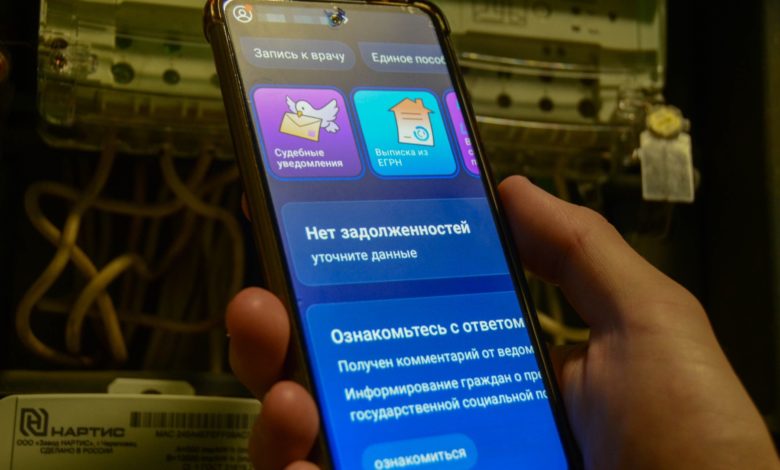
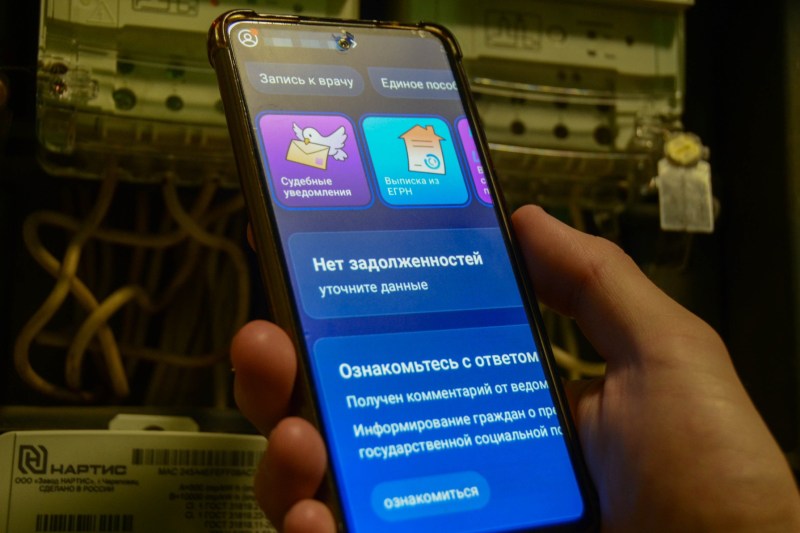
Russia – June 29, 2025: The page of a personal account in the mobile application Gosuslugi.dom, on the screen of a smartphone. Starting July 1, 2025, prices for housing and communal services throughout Russia were to be indexed by 11.9% on average, and electricity prices by 12.6%. Photo: Tatyana Korableva / Zuma Press / Profimedia
The Kremlin has launched an online campaign based on robots (so-called “boots”) to justify the most drastic increases in tariffs for utilities registered in recent years, wrote the news publication on Tuesday, which reports from exile.
Citing data from Botnadzor, a project to monitor the activity of the “boots” associated with the Russian state institutions, Agentsvo noted that almost one in five comments on the Vkontakte (most popular Russia) social network regarding the increase of the rates to communal utilities and services on June 29 can be attributed to Kremlin's affiliated accounts.
From 10,717 comments analyzed, 2,048, ie almost 19%, were attributed to the accounts associated with the Russian authorities or pro-government communication operations, notes the Russian independent publication The Moscow Times.
These comments usually presented the increases of tariffs as ordinary, justified or even beneficial, often stating that citizens' salaries are increasing.
The campaign included both accounts that promoted federal messages, as well as regional accounts that promoted the positions of the local authorities.
Utility rates increased on Tuesday, with a national average of 11.9%, compared to 9.8% in 2024 and 8.1% in 2023.
In a comment, a “Bot” type said: “Utility prices are increased regularly and there are always dissatisfaction among the population, but people finally comply.”
Another message described the increases of tariffs to utilities as representing “the cost of stability”.
Other posts have tried to minimize the economic impact of increases, emphasizing the governmental policies and stating that “wages have been indexed twice by 14%, which is more than enough to pay utilities.”
In the regions, in particular, the increase of prices, the “bulls” have tried to redirect or dilute the criticisms.
For example, in a comment published under a news story that relate to the situation in the Murmansk region it was stated: “The tariff increases take place everywhere, so why are we talking about this region in particular?”.
Another comment, under a post about the rates for utilities in the Novosibirsk region, minimized the changes, suggesting that they “are not significant enough to justify repeated media coverage.”
However, the figures say something else. Some regions have registered growths well above the national average, the highest increases being registered in Perm regions (21.1%), Arkhangelsk (20%) and Kemerovo (19.8%).
The rates increased by over 15%in the Dagestan republics (17.5%), the Ingestia (17.6%), the North Ossetia (19.1%) and Tatarstan (17.5%), as well as in the Altai regions (15.5%) and Cheyabinsk (18%).
The Leningrad, Yaroslavl, Murmansk and Novgorod regions, together with Moscow, increased 15%.
Although federal orientations set maximum limits for raising rates, derogations allow regional and municipal administrations to increase prices over these thresholds under certain conditions, such as investments in infrastructure or its modernization.
Although there are federal limits, these restrictions may not apply in certain circumstances, so that the responsibility for establishing the final level of index is the local authorities. As a result, some municipalities have registered increases that significantly exceed national or regional environments.
For example, in Ijevsk, growth reached 38%, compared to the average growth of 15% in the entire Republic of Udmurtia. In the Siberian city WHO, the rates increased by 39.6%.
The Russian Ministry of Construction has defended the price increases, invoking the higher costs of resources and the need to modernize outdated utility systems.
In May, Vladimir Koshelev, vice -president of the State Duma Commission, blamed the need to modernize the outdated utility infrastructure for this growth.