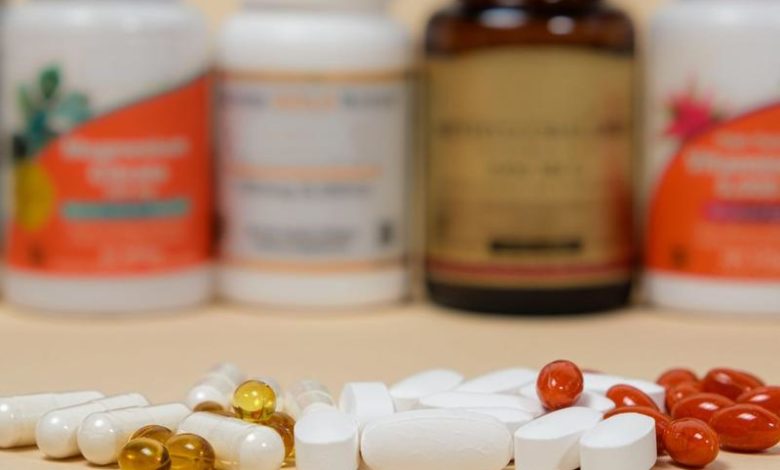
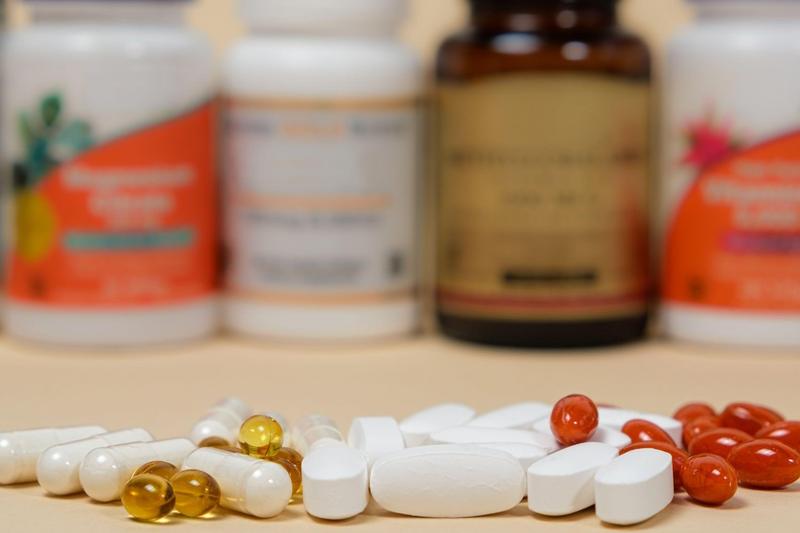
Medicines, Photo: / Alamy / Alamy / Profimedia
Scientists have discovered a way to use E. Coli bacteria to transform plastic waste into a popular analgesic, according to a study published Monday, although experts who have not been from research are doubted that the technique can have a significant impact on the fight against plastic pollution, AFP reports.
Paracetamol, one of the most used drugs worldwide, is produced from fossil fuel derivatives, often by subcontractors in Asia who use cheap and polluting methods that contribute to climatic changes.
The world is also facing an increasing plastic pollution crisis, and countries are preparing for a difficult round of negotiations in August, in the hope that an international treaty will be signed for reducing plastic waste.
First, chemists used a molecule derived from the PET plastic, which is used for bottles and many other plastic products worldwide, to trigger a chemical reaction in an E. coli strain.
Thus, a molecule was created that they called Paba, according to the study of the Journal Nature Chemistry, which was partially funded by the Astrazeneca pharmaceutical company.
By genetic modification of bacteria, chemists have managed to turn the molecule into acetaminophen, also known as Paracetamol.
“This work shows that the PET plastic (…) can be transformed by microorganisms into valuable products, including those with potential for disease treatment,” said Stephen Wallace, the study coordinator, in a statement.
Some Singaporese researchers who were not involved in the study praised how synthetic and biological chemistry were combined. However, “several practical considerations remain” to take this idea beyond the concept demonstration, they wrote in an associated comment in Nature Chemistry magazine.
The chemical reaction produces only a limited quantity of pebble molecules, which “could be insufficient for industrial applications,” they wrote.