2025-06-12 17:56
publication
2025-06-12 17:56
In the opinion of Poles, the freedom to move around Europe remains the greatest – next to EU funds – the benefit of membership in the EU. In Brussels, however, the fear of the future of the Schengen zone established 40 years ago is growing. Nomen omen today can be felt by going through … Schengen.
The system from Schengen on June 14, 1985. The beginnings of freedom to move without borders were modest. The signatories of the contract were only five countries: Germany, France and Benelux countries, and controls on the borders were not completely abolished, but were significantly limited. Land border crossings disappeared only in 1995.
Today, the Schengen zone has 29 European countries, 25 of them also belong to the EU (border controls still relate to Cyprus and Ireland). They are not in the Union, but Iceland, Liechtenstein, Norway and Switzerland belong to Schengen.
Although Poland became a participant in the Schengen agreement on the day of entering the Union in 2004, it was only on December 21, 2007 to a full member of the zone without borders. At that time, Poles were allowed to cross borders with other countries belonging to Schengen without crossing border controls.
The possibility of free movement around Europe is consistently indicated by Poles as one of the two main benefits of membership in the Union. According to the study conducted by CBOS in March 2024, in connection with the 20th anniversary of Poland's accession to the EU, the opening of the borders perceived as a plus of being in the Union 22 percent. respondents, and 28 percent – Most – pointed to the influx of EU funds.
The longer Poland is in the EU, the lower the percentage of people who see the benefit of the freedom of movement. In a survey conducted by CBOS 10 years earlier, 31 percent indicated the Schengen zone. Poles. Traveling without borders and visas overtook even European money, to which 30 percent indicated as a benefit. when asked.
Maintaining this achievements of European integration, however, is in question due to the control of restored more and more often and longer by member states.
Theoretically, EU regulations allow countries to restore inspections for only six months and this is provided that the European Commission receives a justification. It is possible to extend the inspection, but up to three years.
Meanwhile, for example, Germany introduced controls on the border with Austria as early as 2015 in connection with the migration crisis and not only did not bear them for 10 years, but in September 2024 they decided to restore them at the transitions with all nine neighbors. Although theoretically, Germany reported that they would control the borders until mid -September, it follows from the announcement of the new government in Berlin that they would rather extend them by another half year. The inspections are to be lifted only when the number of migrants coming to this country decreases significantly.
Next to Germany, 14 countries belonging to Schengen are currently on borders.
The renewal of border crossings hinders the life of road carriers and entrepreneurs whose business depends on the flow of goods between the EU internal borders. The inhabitants of border towns are also injured, especially those for whom crossing the border is everyday.
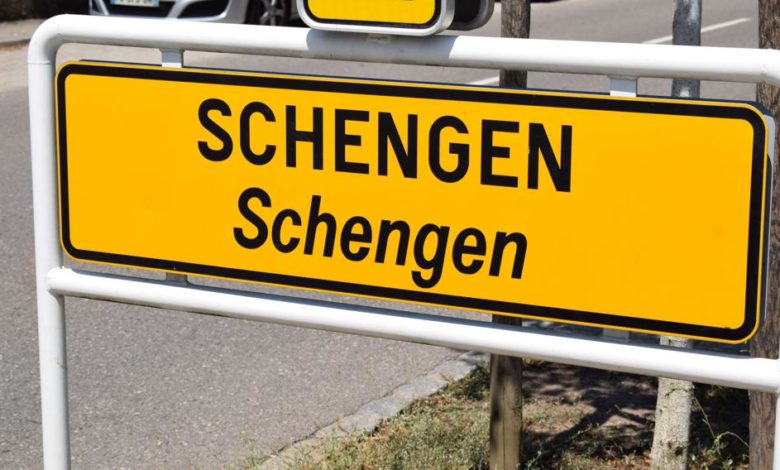
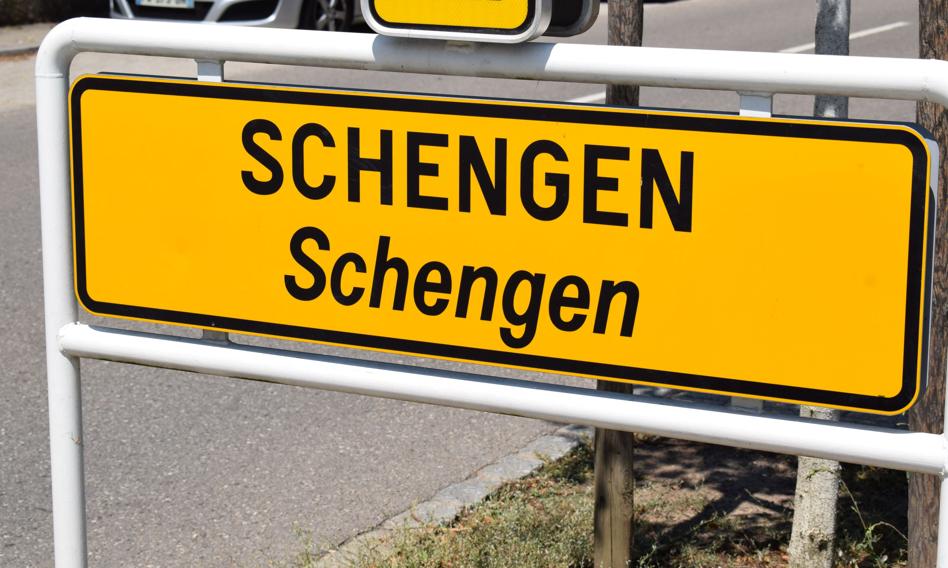
Such an example is the Luxembourg town of Schengen, through which the route to Germany runs. This road is covered every day by thousands of people living in Germany and working in Luxembourg. In total, there are over 50,000 such people crossing the borders between the two countries.
That is why the Luxembourg government criticized the German authorities for introducing control, and the interior minister of this state Leon Gloden appealed to the X: “Schengen must live!”.
Interior ministers, including Gloden, who will celebrate the anniversary of the abolition of borders in Europe on Thursday evening, managed to develop a common position as to the future of Schengen. Will be accepted on Thursday. “We will defend the unlimited, free flow of people, which is the essence of our Schengen policy, ensuring that the re -introduction of control at the internal borders remains a final means” – we read in the document that she saw PAP.
From Luxembourg Magdalena Cedro (PAP)
mce/ mal/ lm/