Wall Street without major changes after poor data from the economy. S & P500 at most from February


publication
2025-06-04 22:05
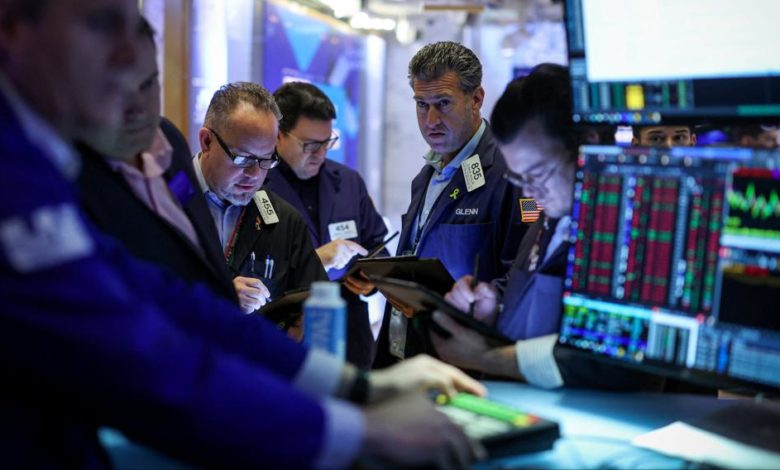
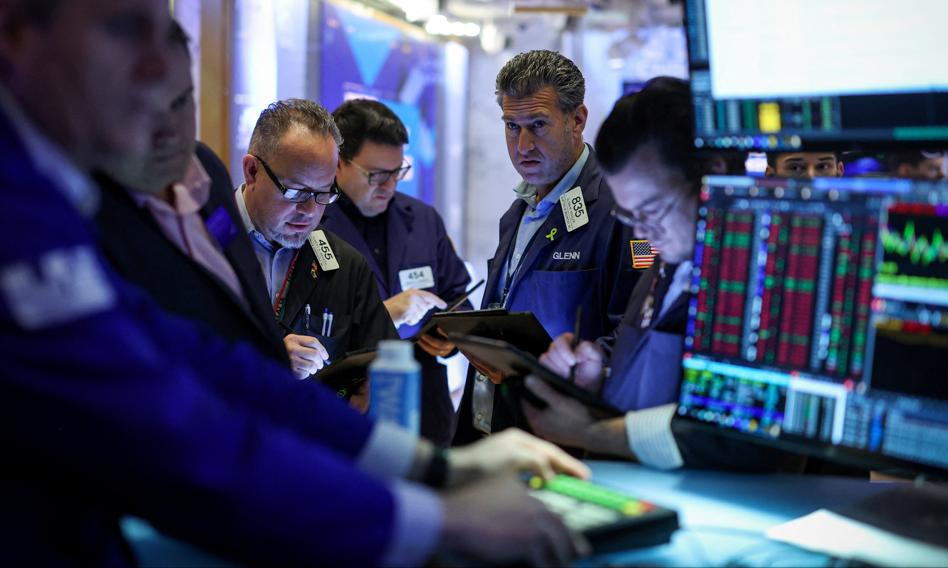
Poor macroeconomic statistics did not prevent the S & P500 index to reach the level last seen in February. Perhaps investors cynically hope that the weaker economic situation will prompt the Fed to lower interest rates.
After a fairly variable – although not very exciting – the session S & P500 reached a height of 5,970.81 points, gaining a symbolic 0.01%. But The session maximum fell at almost 6,000 points and was the highest value of this benchmark from February 26.
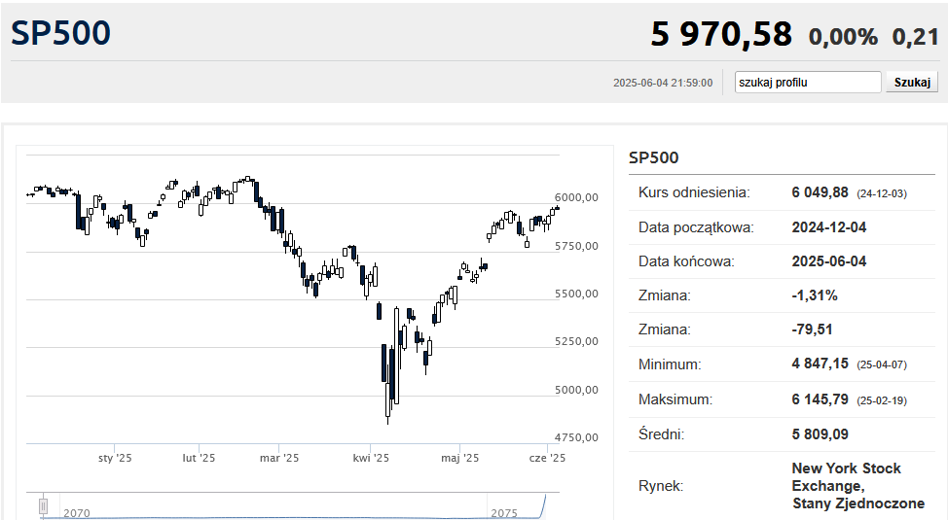
Nasdaq Composite after a growth by 0.32% ended the day at 19 460.49 points. Only the industrial average of Dow Jones finished in red, losing 0.22% and descending to 42 427.74 points.
It seems that today the market has disregarded the entire series of clearly weaker macro data. First, he disappointed the ADP report, which showed that in May only 37,000 came in the private sector. full -time jobs. 110,000 were expected, and the result for April was revised down from 62 thousand. up to 60 thousand ADP data covers only a private sector, so we can reject the hypothesis with delayed effects of the Department of Government Performance (Doge).
Then the ISM indicator measuring the economic situation in the service sector performed poorly. This index in May scored a decrease from 51.6 points. up to 49.9 points towards market consensus at 52.3 points It is important that we are dealing with a result lower than 50 points, which signals a decrease in economic activity in the dominant US economy sector. This is the first such situation in nearly a year. What's more, the employment subindex pointed to very strong price pressure.
This may make it difficult to make a decision to continue last year's interest rates. Fed is now in a very difficult situation, because “Trump's shock” works at the same time recessively and inflationary. And with such something you can't fight effectively by loosening monetary policy. However, Wall Street can count on the fact that Fed will panic and start cutting his feet again as soon as he sees, for example, a decrease in employment and an increase in unemployment rate. And we will know this data before the Friday session.
Good news came from Washington. Non -party Congress Budget Office (CBO) estimated that the tax cuts proposed by President Donald Trump's administration will mean an increase in public debt “only” by $ 2.4 trillion. Earlier CBO respect spoke about the amount of USD 3.8 trillion. Now CBO claims that the “Trump package” will reduce budget revenues by USD 3.67 for a decade and reduce expenses by USD 1.25 trillion.
This caused a clear relief on the debt market. The profitability of 10-year US government bonds dropped by 10 base points to 4.35%. It is true that the new CBO calculations do not change the catastrophic state of public finances of the United States, but they give a shadow of hope that politicians will not destroy them completely in the near future (only in a slightly longer).