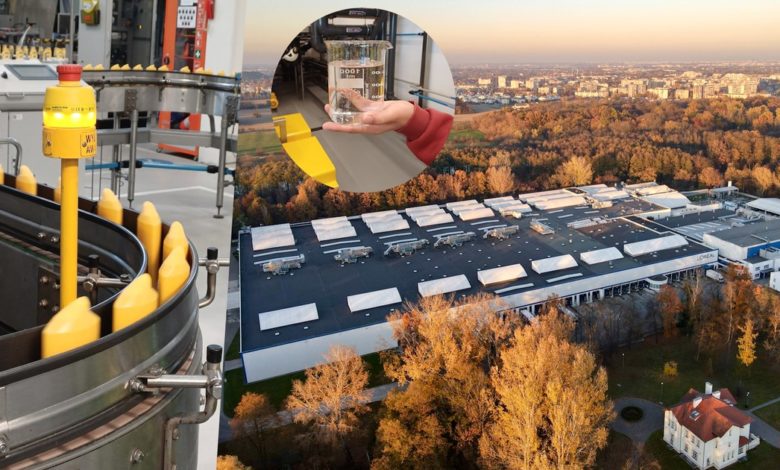
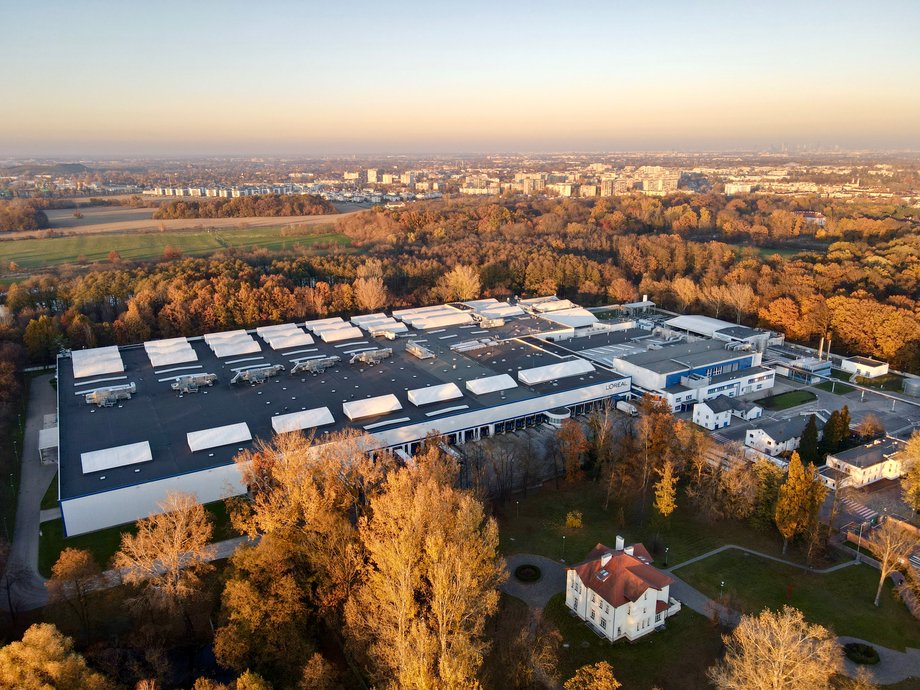
For 28 years we have been in constant transformation and growth phase, building know-how and exerting a positive impact on the region-says Giulia Tapella, director of the L'Oréal Warsaw Plant plant in Kanie near Pruszków, showing us around the factory. The plant has just become the largest factory of the concern – in 2024 it supplied 450 million products, and in 2025 it will be over 480 million.
The history of L'Oréal in Kanie near Warsaw has been going on for 28 years. But the history of production in this place reach much further. From 1880, a paint and varnish label operated here. After World War II, the plant was nationalized, And from 1975 she produced here known from the times of the Polish People's Republic.
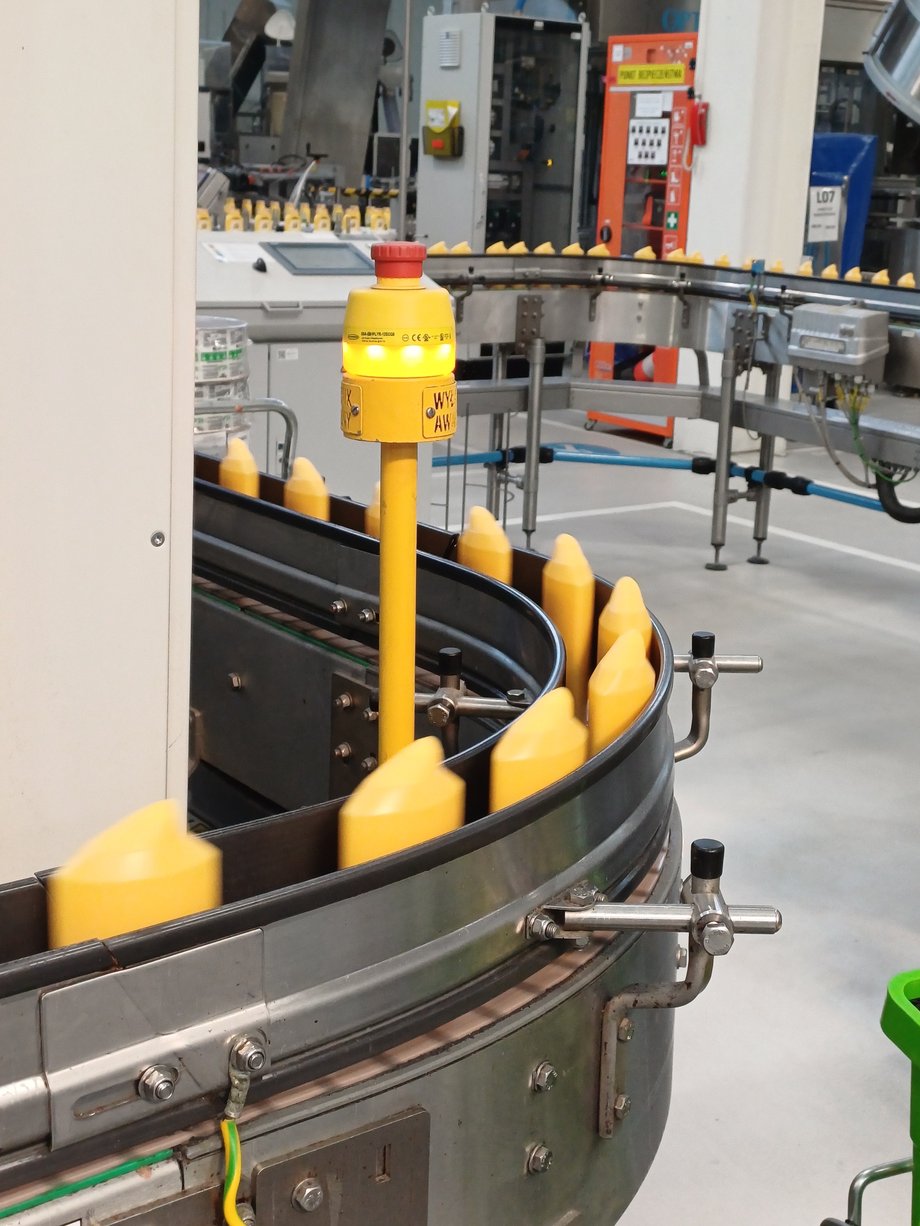
In L'Oreal Warsaw Plant, among others, shampoos
|
Grzegorz Kowalczyk / Business Insider
After the political transformation, changes came again. In '92 Henkel began to operate here, and five years later L'Oréal invested in the plant, which transformed him into a cosmepol. A factory with an initial volume reaching 7 million products a year.
– We produced shampoos and hygiene. At that time, the production was organized in a different way because it mainly served the needs of the local market. This was also here – hence the name Kosmepol, which we changed to L'Oréal Warsaw Plant in time – says Giulia Tapella.
Today 5 percent Production near Warsaw actually goes to Poland. The main recipient of products from the plant is France (about 30 percent). Germany, Great Britain and Italy are in further places.
– We try to be as close as possible to the markets for which we produce, which is why 95 percent Factory products are delivered to Europe. This model ensures flexibility, and innovations can be launched quickly and effectively – says the director of the plant.
L'Oréal Warsaw Plant is responsible for production – as is defined inside the company – wide distribution products. So shampoos, conditioners and hair dyes, shower gels or deodorants. However, the main assortment are facial cleansing cosmetics. They (including micellar fluids) are responsible for the largest part of the plant's production.
The factory works around the clock. Currently, it has 17 production tanks and 31 products for packaging. The company has set itself the goal of making this huge production possible.
– Our clients and clients expect it, and we are one of the most important plants in the group, we want to be a leader in the field of sustainable development, set a good example and set a direction of activities in Poland. Therefore, we attach great importance to reducing energy consumption and water and waste recovery. Due to the fact that the main component of our packaging are plastic bottles, we attach great importance to reducing weight and increasing the recycling possibility of all elements – says Tapella.
There were also problems with this. – We had a lot of difficulties to contract only from renewable sources – it is known that The Polish energy mix raises a lot of challenges for all market players. Other European plants could use more favorable conditions, but we also met the challenge. Now we can also proudly say that we have been able to reduce energy consumption by 26 percent. Compared to 2019, at the same time growing volume. We recently launched the first product with a pump and sleeve and a bottle made in 100 percent. Recycled plastic. It is difficult because this element always contained metal elements, which prevented the recovery of raw material. We succeeded – adds the director of the plant.
Water recovery
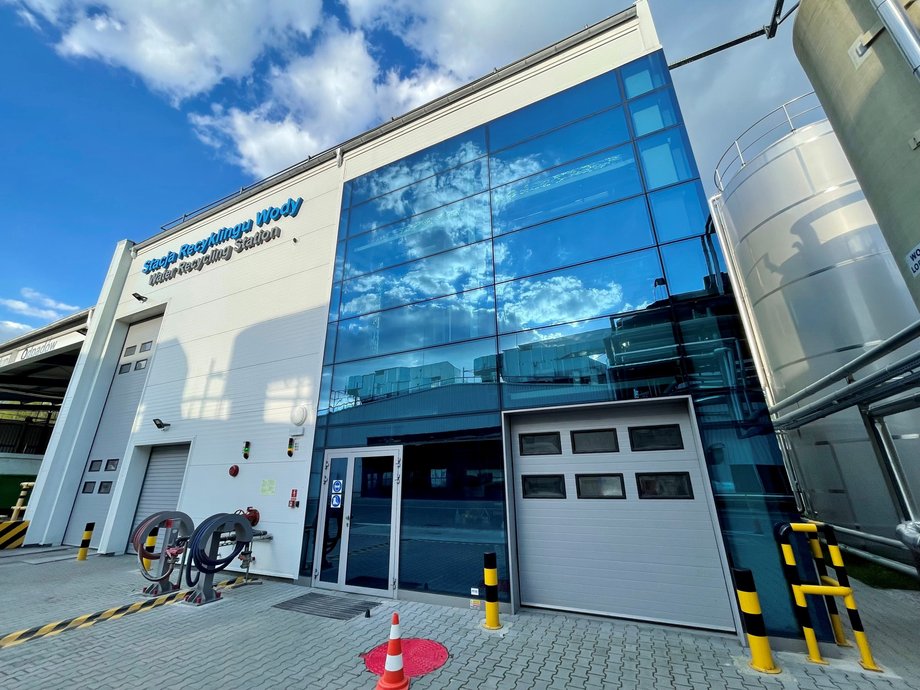
A water recycling station has been operating for five years, which allows you to use this raw material again. The investment worth EUR 4 million has reduced its consumption by approx. 20 percent. Compared to 2019, this year the plant reached 100 percent. re -consumption of water for peri -production and sanitary processes.
Water recycling station
|
Grzegorz Kowalczyk / Business Insider
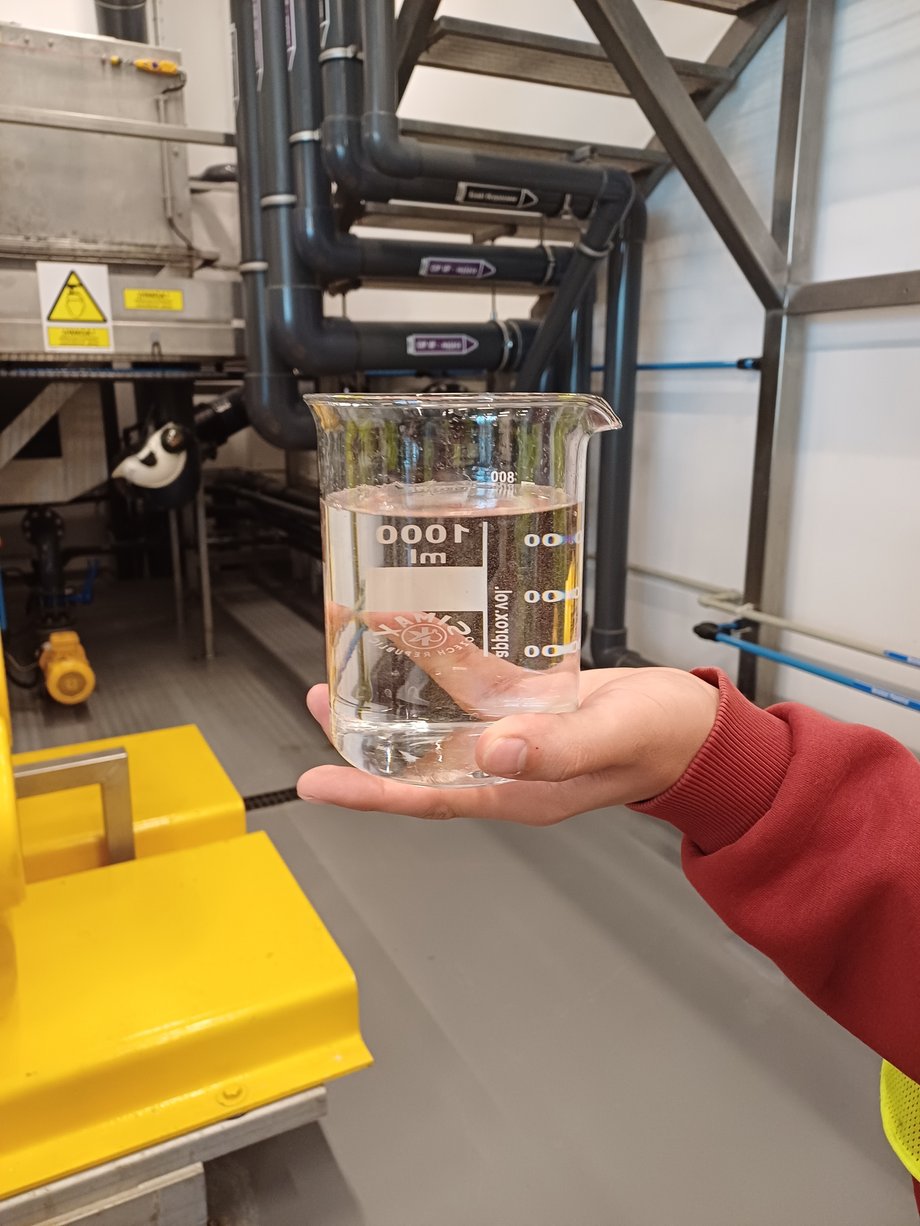
Such amenities cost a lot. However, the company sees the benefits in this. – water recycling station and a full sewage treatment process This is investment and costs, but they significantly reduce the demand for water from natural sourcesleaving it only for key applications. Last year, we managed to save over 80,000 cubic meters of water – explains Ewelina Kozak, environmental protection engineer.
Water after the purification process
|
Grzegorz Kowalczyk / Business Insider
The rest of the article under the video:
Employees by force of Poland
The factory currently employs 455 employees – the average age is 42 years, and the proportion of women and men unfolds almost equally. The company is proud that 60 percent managerial positions and 32 percent Engineering staff are women.
Factory in Kanie near Pruszków
|
Grzegorz Kowalczyk / Business Insider
– We do not assume any levels of employment of women we want to achieve, but we provide equal opportunities in recruitment, trainings and promotions, we show patterns of women's roles at every level of organization and cooperate with schools as part of the Toget'her in Stem initiative to inspire young girls. And that's what we break stereotypes – says Giulia Tapella.
The Director of the Department points out that the Warsaw labor market – With an extremely low unemployment rate of only 1.4 percent. and 2.3 percent in the Pruszków poviat – They create a competitive labor market. Despite this, the company is able to acquire employees.
– People are our strength – highly qualified specialists, strong partnerships with technical schools and universities, and deep commitment to continuous development of competence. The variety of gender drives our innovation and efficiency, and the long seniority – on average 10 years – and the low rotation rate confirm what we see every day: a team ready for the future that develops together with the industry – he sums up.