The fairy place created by Stefan cel Mare in the north of Moldova. The paradise on the banks of Prut, with half -millennium -old trees

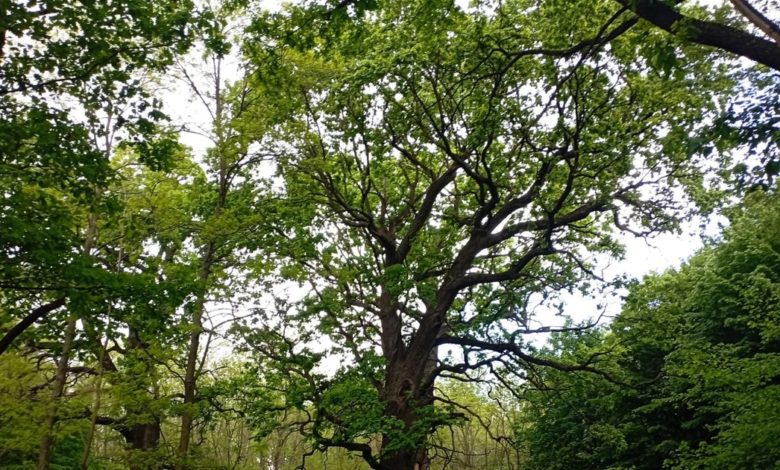
In Botosani county, near the banks of Prut, there are fairy tales that hide places full of history and legend. To be unrelated is “Poiana of the four oaks”, a forest raised around secular trees that the locals say would have been planted by Stefan cel Mare.
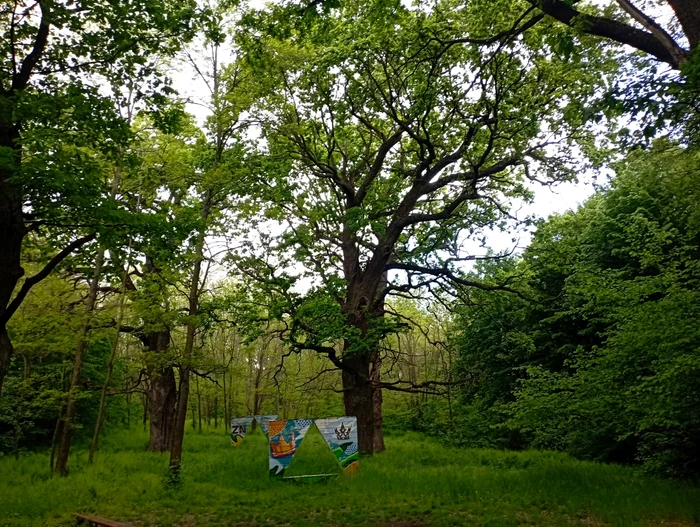
Poiana “The four oaks” Photo Cosmin Zamfirache
Romania is full of fabulous landscapes and places of legend, even where few would expect. For example, in the north of Botosani county, there is a true green paradise, built by nature on the banks of the Prut. Beyond the beauty of the locks and the codes that cover both banks of the aquatic border, the area is loaded with history and legends from ancient times, with voivodes, Tatar and beautiful girls. In this miraculous corner of Romania, where the wild nature combines with the beauty of the rural landscapes, a place that should not be missed by any tourist is the meadow of the four oaks or the place where Stefan cel Mare has left a sign of reminder about one of the greatest victory in his long reign.
Half -millennium oaks, the “parents” of an entire cod
At the “Poiana of the four oaks” it is quite easy, if you have GPS or if you ask a local. To enter the green paradise from Prut, you must first make a 65 -kilometer road in Botosani, on the national road that leads to Darbani, through Dorohoi. The rehabilitated road takes you into a dream land, parallel to the Herța Codrii and the banks of Prut, to Darabani. If you make time, you can buy fresh vegetables from peasants selling at the gate.
Once in Darabani, tourists can discover a cozy city, where they can dine, drink coffee and even rest, after a long road, in the park behind the old and a half century. From Darabani, you follow the road to the northernmost corner of the country, to Rădăuți Prut. Before reaching Păltiniș, on a road turning left, enter a cobbled road. After two or three right-left curves you reach the meadow.
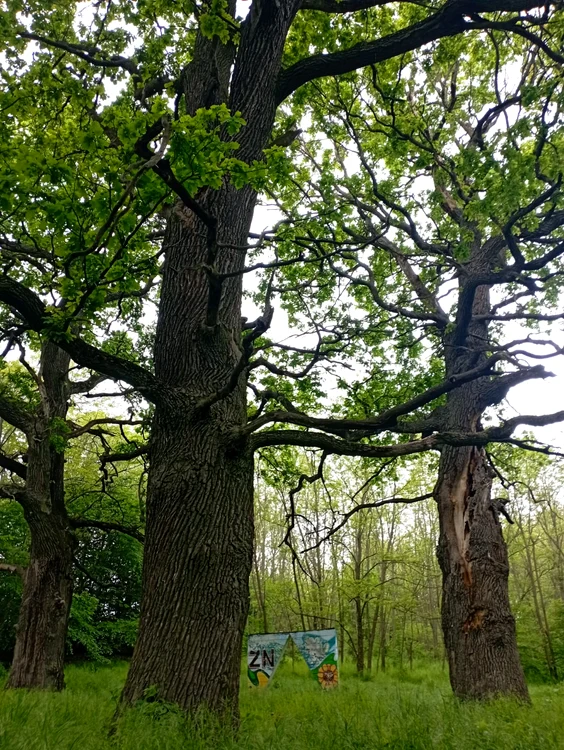
Secular Oaks PHOTO COSMIN ZAMFIRACHE
The beauty of the place deserves any effort. There are many variants of walking in nature in the area. The first time it is advisable to enter the “Poiana of the four oaks”. Through a greenery tunnel, you reach the meadow. You will find only three oaks instead of four. The explanation is as simple as possible: one of them was shot down by the storm, a few decades ago. The trees are impressive. Old people, full of the scars of the storms collected over the centuries, each with about 500 years. “These oaks were scientifically tested and concluded that they are about 500 years old”, Says Ionel David, librarian and specialist in culture and local history. The forests say that the trees are as healthy as possible and can live for another three centuries.
“These trees have seen so much history.”adds the Dărăbănean. It is precisely because of their age, officially, the oaks were declared a monument of nature, and the area of which they belong to the protected area. Through HCJ no.170/2010, regarding some measures for the protection of natural areas protected by county interest, dendrological parks, trees of nature, flora and wildlife, the three oaks from Poiana Teaos are declared monuments of nature. It is said that the four oaks were the “fathers” of the entire forest in the area.
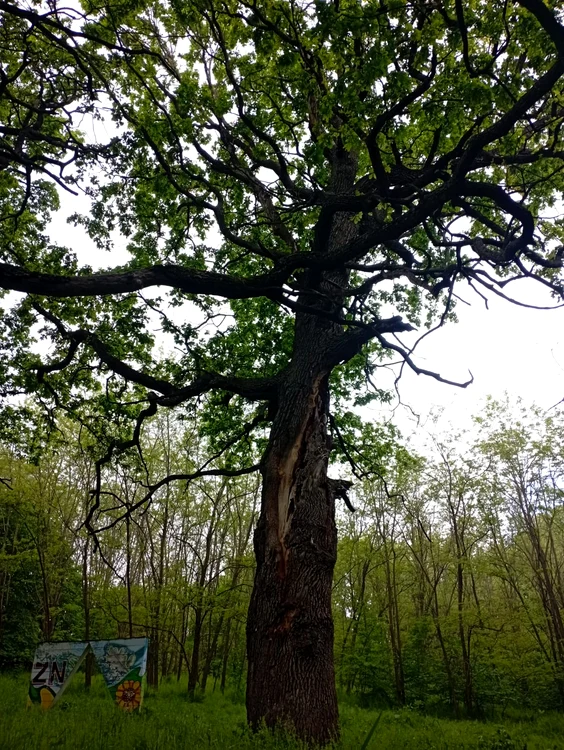
Stefan cel Mare's oaks PHOTO Cosmin Zamfirache
“It is said that they were the first trees in the area. And from there the acorns spread and a whole forest rose.”confesses Ionel David. In 2014, with the establishment of the North Days, a festival that attracts young people from all over the country to Darabani, with the support of NGOs, Poiana was marked and arranged. Walking through the meadow is a real pleasure.
The place where Stefan cel Mare rested after the slaughter of Lipnic
Poiana of the secular oaks from Darabani is also a place full of history. The legends of the place say that the four oaks were planted by Stefan cel Mare, in August 1470, after a battle over Prut. More precisely, this is the battle of Lipnic. The great Han Mamac sent his horde after prey to Poland and Moldova. The one who passed the Prut was also the largest and most powerful, led by the brother and son of the great inn. The Horda began to predict all the villages that came in.
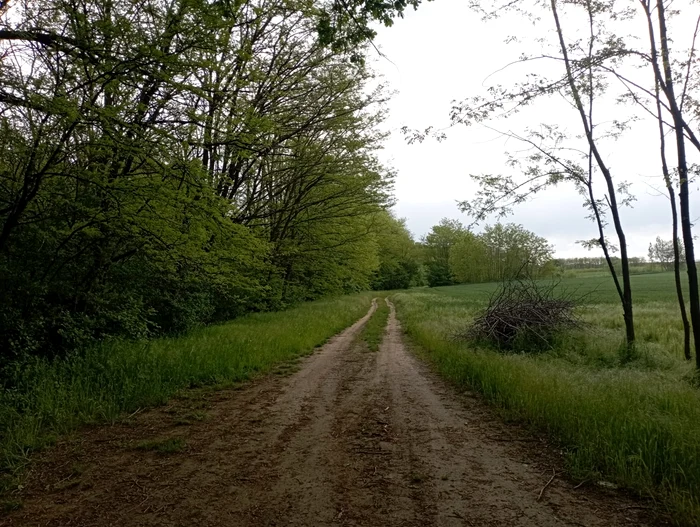
The road to the Poiana of the four oaks PHOTO COSMIN ZAMFIRACHE
However, Stefan cel Mare was announced by the plague in Poland and was ready to put an end to the Tatar raids. With the help of the light cavalry, the great voivode pushed the Tatars beyond the Prut. Then he caught him in the Lipnic area (today the Republic of Moldova). The slaughter was terrible, few Tatars escaped alive. Among those caught were the son and brother of the Mamac Inn. With so many slaves and war prey, Stefan cel Mare turned to the chair fortress.
“The prite was here exactly, through the Darabani area. At that time, it was not this forest. The voivode wanted to rest, with the whole army. It was very hot, in August. So it ordered to be planted four oaks, at the four corners of the tent. Today ”, says Ionel David. The specialists confirm the presence of the great voivode, on the territory of Botosani county. “Certainly, Stefan cel Mare had a connection with Botosani. As proof, his foundations in Dorohoi and Botosani are. It is very possible that the Prut in that area has passed.”says historian Dănuț Huțu, director of the Botoșani Culture Directorate.
Through the Prut's locks
Walking through the Poiana of the four oaks can occupy a whole day. It is a place with fresh air and pleasant scents, which urges meditation. The trills of the singing birds contribute to the atmosphere, as well as the family of owls who have found a dwelling in the thick trunk of one of the oaks. After the meadow, a walk should not be missed through the locks on the banks of the Prut, through the middle of a wild and gentle, friendly nature. There are no lack of birds, deer and even wild boars.