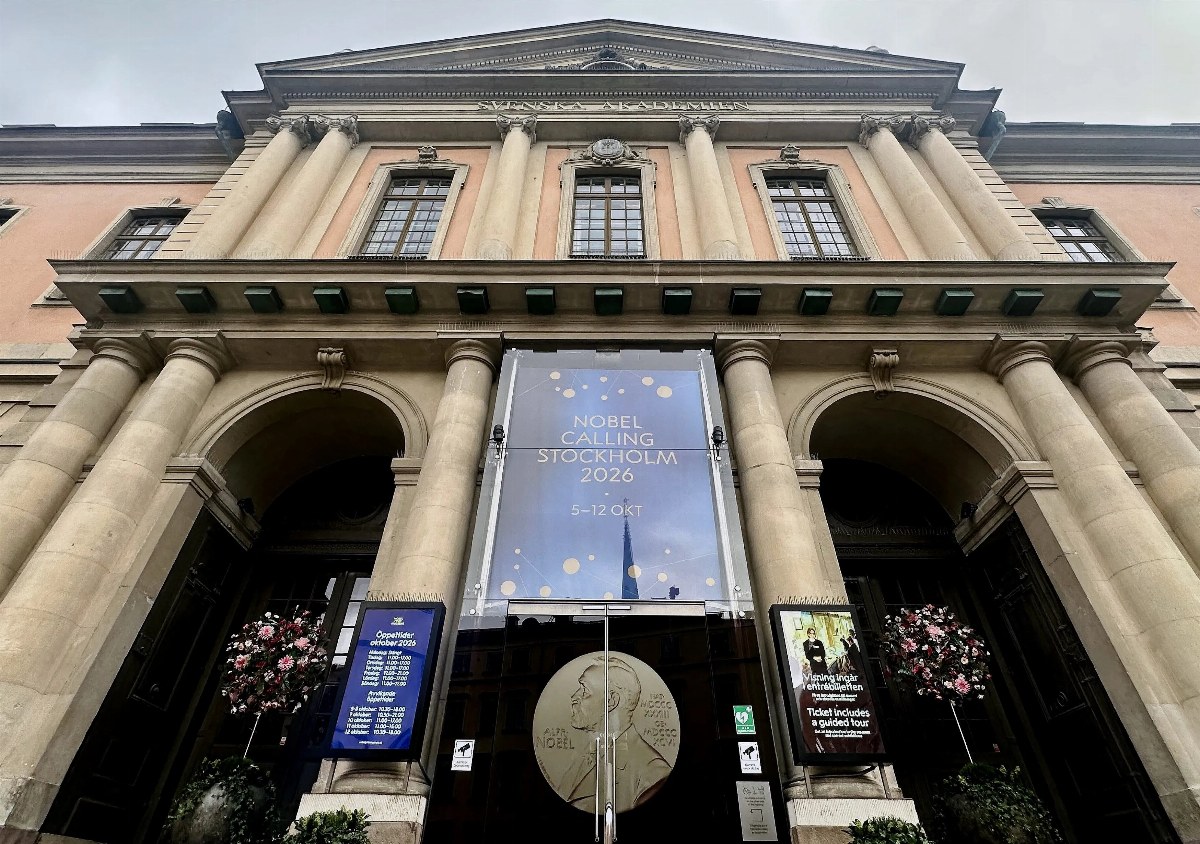
Research into hormones that regulate appetite is a leading contender for the 2026 Nobel Prize in Medicine, as announced by experts cited by France Presse. The Nobel winners for six categories—including Medicine, Physics, Chemistry, Literature, Peace, and Economics—will be revealed daily from October 5 to October 12. The announcement for Medicine will kick off on Monday at 11:30 AM (12:30 PM in Romania), with potential recognition for studies paving the way for weight-loss drugs like Ozempic and Mounjaro.
The 2025 Nobel Prize in Medicine was awarded to Mary E. Brunkow, Fred Ramsdell, and Shimon Sakaguchi for their discovery involving T cells, the immune system’s “safety guards.”
GLP-1: A Leading Candidate
Potential nominees include research on the microbiome, discoveries regarding hormones that control hunger and satiety, and studies on glucagon-like peptide 1 (GLP-1), a hormone released by the intestine after meals that signals fullness. This hormone is mirrored by medications such as Ozempic.
David Pendlebury, a representative from Clarivate, a data analytics company predicting potential Nobel laureates based on citation counts, noted, “It is likely that a Nobel Prize will recognize one or another of these studies.” He emphasized, “I would place GLP-1 at the top of the list due to its immense clinical impact worldwide.”
Many scientists have made significant contributions in this area, but three names frequently arise: Canadian endocrinologist Daniel Drucker, Danish physician Jens Juul Holst, and American chemist Svetlana Mojsov, who has Yugoslav roots. The market for new generations of weight-loss medications has surged explosively in recent years, now estimated to be worth tens of billions of dollars.
Other Favorites for the Nobel
If the Nobel committee were to explore different avenues, stem cell research focusing on skin regeneration and healing might be recognized. American Elaine Fuchs and British researcher Fiona Watt are viewed as pioneers in this field, as noted by Annika Östman, a scientific journalist at Swedish public radio SR. Their work has fundamentally changed our understanding of tissue renewal and maintenance of health.
This year, the Nobel could also be awarded for a new imaging technique known as optical coherence tomography, a non-invasive method. Another area that may catch the committee’s attention is adhesion receptors in the immune system, identified by American immunologist Timothy Springer. These receptors act as “molecular claws” on immune cells, helping them latch onto blood vessels, penetrate tissues, and reach infection sites, crucial for directing the body’s immune defense. The prize may also acknowledge research related to breast cancer or DNA sequencing, vital in the fight against the coronavirus.