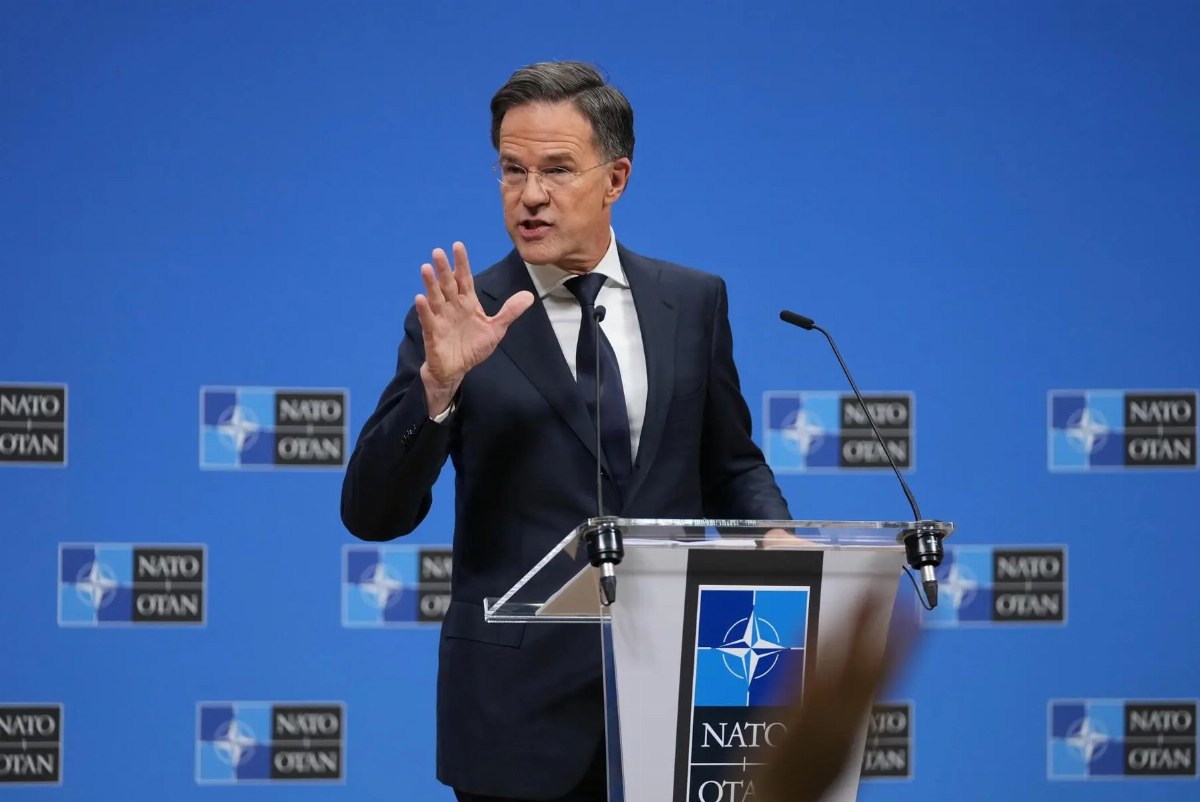
Mark Rutte, NATO’s Secretary General, addressed concerns about Russia’s nuclear threats on Wednesday, stating, “Please do not worry; we are prepared for this.” He emphasized that currently, there is no imminent threat to the Alliance.
Rutte’s comments came in response to warnings from Russia, which indicated its willingness to use nuclear weapons should NATO attempt to isolate the Kaliningrad region. This was revealed in a document reported by Reuters and later confirmed by NATO.
Speaking at the Euronews Defense and Space Summit, Rutte sought to alleviate fears, reiterating, “There is no imminent threat to NATO territory.” He added, “If something happens, we are ready to respond. We will always maintain a defensive posture, but if necessary, we will defend ourselves.”
Rutte further stated, “If the Russians intend to act against Finland, the Baltic states, Poland, or any other NATO country, we will observe any concentration of forces and take action if necessary.” He confirmed that NATO had responded succinctly to Russia’s letter regarding Kaliningrad.
“I believe the best way to approach this situation is with a degree of calm from NATO. We can afford some calm, but we must ensure we continue our activities,” Rutte remarked. He pointed out that the tensions stem from Russia’s difficulties in Ukraine, asserting, “He wants to divide us. He wants to distract us from the situation in Ukraine. We must maintain our support.”
NATO Condemns Russia’s Nuclear Rhetoric
The Russian document accused NATO of dangerous and reckless behavior that allegedly poses high risks of direct armed conflict. It claimed that, in the event of an escalation, Russia reserves the right to strike decision-making centers in NATO member states at the onset of any conflict.
The document, classified as a “non-paper”—a term used for informal diplomatic documents—stated, “Russia will be prepared to use its full arsenal of forces and capabilities, including nuclear weapons, to defend its territory if NATO countries undertake any attempts to isolate the Kaliningrad region from the rest of the country.”
In the past few days, Russian embassies in at least three European countries have issued statements accusing NATO of escalating tensions through military exercises and planning scenarios involving Kaliningrad. However, Russia has denied Western accusations of being a threat to Europe.
Kremlin spokesman Dmitry Peskov confirmed on Wednesday the existence of the letter, asserting, “It is completely normal for our diplomats to remind the hot-headed leaders in Europe of the policies outlined in our documents regarding this issue.”
Allison Hart, NATO’s spokesperson, acknowledged that Russia had sent an informal document to the alliance but did not disclose its contents. She stated, “We have provided a response, emphasizing that NATO is a defensive alliance and that none of our activities or exercises pose a risk to any part of Russia. We firmly denounce threats of force, including any irresponsible nuclear rhetoric, and call on Russia to end the war in Ukraine.”
An official from European defense remarked, “This is the first time since the Cold War that Russia has threatened us in this way, making it a serious matter.” Another diplomat stated to Reuters, “I would say that Russia’s letter is just another attempt to intimidate Europeans, and NATO’s response is firm and responsible, reaffirming that we will not be deterred from supporting Ukraine.”