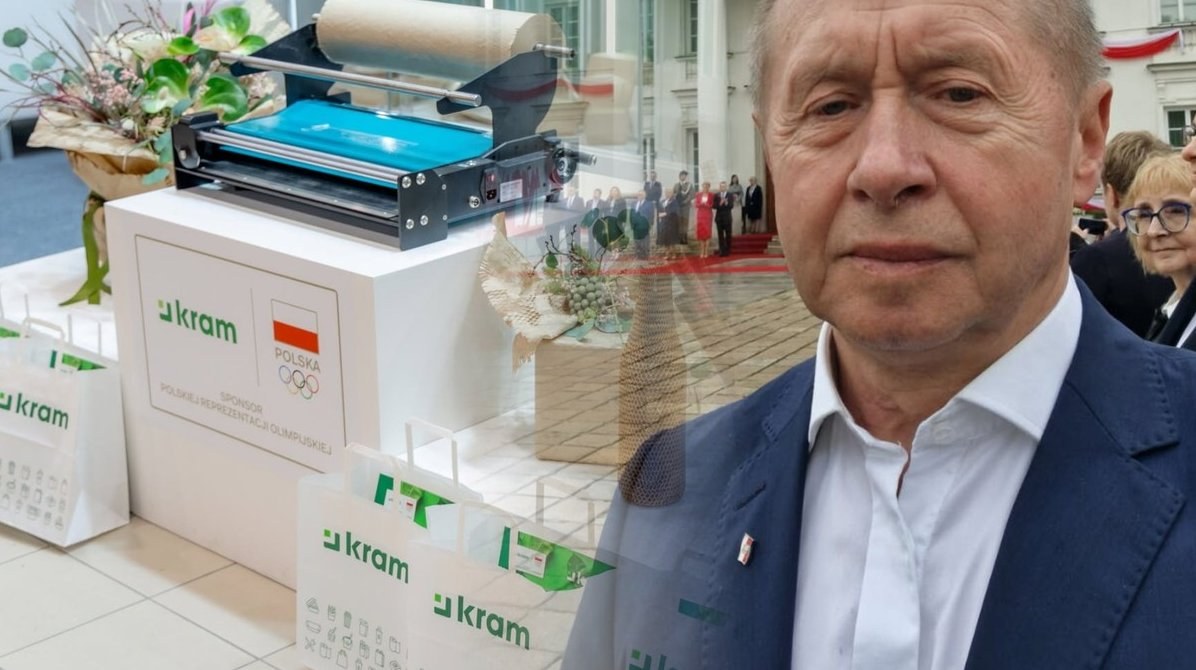
Zbigniew Przybysz, founder and CEO of KRAM sp. z o.o. and a member of the Business Council under the Polish President, shares insights into the state of the Polish economy and his entrepreneurial journey.
Przybysz reflected on his early ventures, noting he initially ran small stores before deciding to pursue a larger business. He took out a loan guaranteed by friends, amounting to 150 million Polish złoty, at an interest rate of 20% per month, which equated to daily interest payments of around one million złoty. Initially focused on selling vacuum-packed food, he soon recognized the logistical challenges his location posed.
In December 1991, faced with near bankruptcy, he conceived a new way to package food, leading to the creation of his first product: a simple device known as a hot table. Lacking the necessary tools and funds, he secured another 150 million złoty loan secured against his home. Within days of initiating the new venture, they sold ten tables and generated a profit. This marked the inception of KRAM, which began in a garage with just one employee.
By 1994, Przybysz had repaid his first substantial loan and pondered a return to teaching, but was encouraged by his wife to persevere with the business. Throughout their journey, they prioritized their employees’ development, promoting from within rather than hiring externally.
Przybysz characterized KRAM as a Polish version of the ‘American dream’, attributing their success to hard work, consistency, profit reinvestment, and a commitment to their team. In contrast to many entrepreneurs in the 1990s who quickly consumed their profits, KRAM focused on growth and employee stability.
Significant investments began in 1996 when they started importing specialized foil from the UK and later Switzerland. A pivotal moment came when Przybysz negotiated to produce the foil himself, leading to the establishment of a new company despite lacking initial capital. They secured funding by leveraging all existing assets.
Przybysz recalled two critical crises: the first in 2000 when Swiss suppliers left them with uncompleted machinery and invalid building permits, which they had to resolve independently. The second came in 2008 with the fallout from currency options, nearly pushing the company to bankruptcy until they managed to stabilize through a bridge loan from Alior Bank.
The turning point for KRAM came around 2002-2003 when they no longer had to solicit funds for salaries or social security contributions, achieving financial stability and growth.
Reflecting on the 1990s, Przybysz described them as chaotic yet liberating for entrepreneurs. The barriers to entry were significantly lower than today, allowing for the establishment of substantial businesses. But he cautioned that young entrepreneurs today face greater challenges due to increased regulatory costs and a lack of technical workforce.
Consumer expectations for packaging have evolved, with a greater emphasis on protecting the environment and meeting marketing demands. KRAM’s adaptability has enabled them to thrive, distinguishing themselves through quality and individualized service.
Today, Przybysz notes that new regulations create uncertainty and financial burdens for businesses. He expressed concern about the competitive disadvantage faced by European companies due to high energy costs and regulatory pressures that do not affect competitors outside Europe.
During the pandemic, KRAM’s performance soared, benefiting from government support that preserved jobs and demand, despite some missteps in regulations. Przybysz recently joined the Business Council, viewing it as a responsibility to advocate for the interests of Polish businesses, focusing on taxes, energy costs, and deregulation.
Looking ahead, Przybysz is concerned about consumer affordability, rising energy prices, and a lack of investments in Poland, despite its potential. He emphasized the need for affordable energy, real deregulation for swift investments, and the revitalization of vocational education to build a skilled workforce.
As he prepares for succession, Przybysz is optimistic about the future leadership of KRAM, having involved his daughters in the business from a young age to ensure they are equipped to carry the company forward.