Recent Iranian drone strikes targeting CIA facilities in the Gulf have prompted U.S. intelligence analysts to investigate whether Russia provided assistance in the form of targeting information or advanced drone technology, according to sources familiar with the activities of U.S. intelligence.
These sources, who spoke on the condition of anonymity due to the sensitivity of national security matters, noted that U.S. intelligence officials have yet to reach definitive conclusions regarding Russia’s possible involvement in the attacks on CIA facilities. However, they highlighted the apparent effectiveness and precision of the strikes, along with the broader technical support Russia has extended to Iran, as potential indicators of Moscow’s role.
Reports by Reuters and other international publications, which U.S. officials have acknowledged, indicate that Russia has supplied intelligence and other forms of support to Iran for its attacks on American targets throughout the Gulf region. Nevertheless, the inquiry into Russia’s assistance specifically concerning the CIA facilities has not been disclosed until now.
At least two CIA locations were struck in March, including a station in Saudi Arabia within the U.S. embassy in Riyadh and another facility in eastern Iraq. Some sources have suggested that additional CIA bases may have been hit, but specifics have not been disclosed.
An internal note from a Western intelligence agency concluded that Russia likely played a role in targeting some CIA facilities in the region. This assessment was shared by a regional official familiar with the document, who requested anonymity to discuss sensitive material.
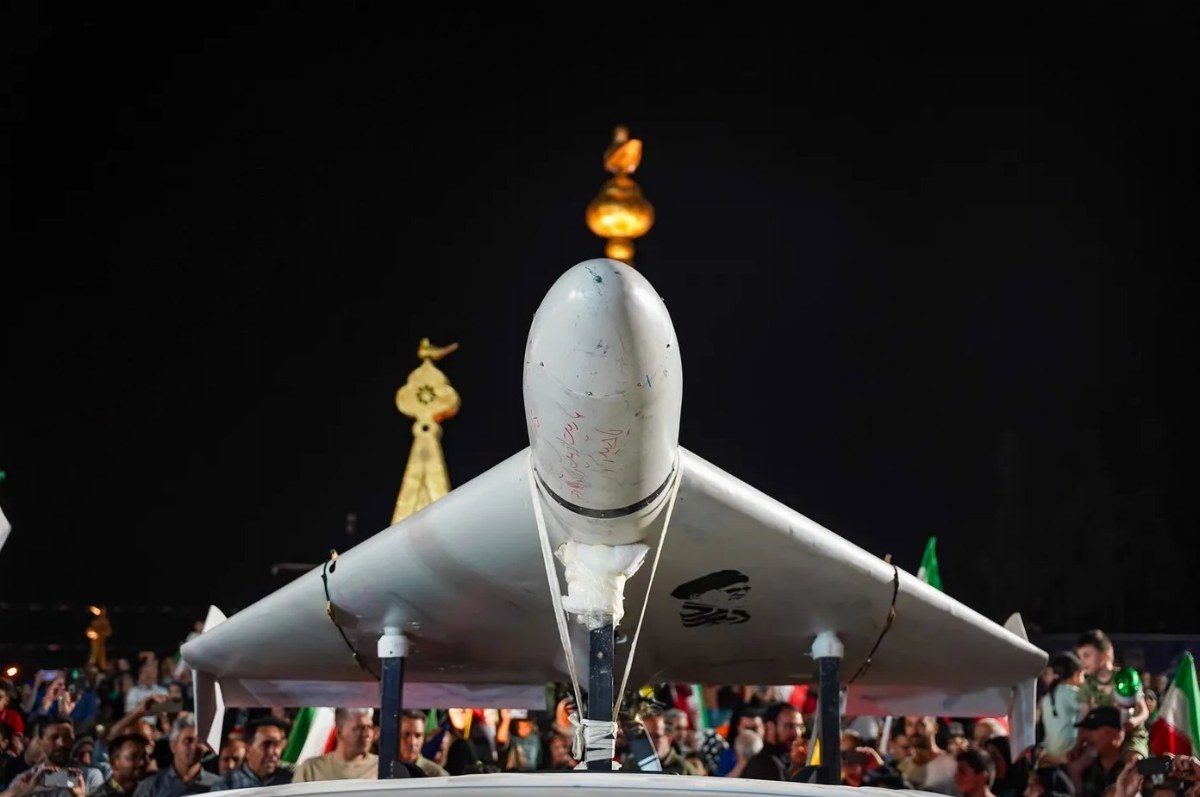
Western officials in the Gulf reported that analysts suspect the Saudi attack involved two Iranian Shahed drones, allegedly enhanced by Russian technology. One drone reportedly penetrated a vulnerable area of the embassy’s exterior, while the second followed suit and detonated, though no casualties were reported.
While Russia’s long-standing assistance to Iran is well-documented due to their close ties, the specific targeting of sensitive CIA locations suggests that Moscow may be willing to escalate efforts to disrupt U.S. operations as Washington seeks to manage its relationship with Iran.
Concerns about Russia providing targeting data to Iran intensified over the weekend after missile strikes by Iran against a U.S. military base in Jordan, which resulted in the deaths of two soldiers.
The White House redirected requests for comment to the CIA, which declined to respond. The Iranian mission to the UN, the Russian Ministry of Defense, and the Saudi government also have not commented.
Highly Guarded Secrets
The two Western officials indicated that Russia has assisted Iran in enhancing the capabilities of its Shahed drones, suggesting that analysts believe Tehran utilized these upgraded versions in the Riyadh attack.
One source indicated that Russia provided Iran with a satellite navigation system known as Kometa-M, which experts claim is significantly more accurate and harder to jam than Iran’s indigenous technology, improving the precision of Shahed-136 drones.
The Wall Street Journal first reported in March that Russia supplied the Kometa-M system to Iran, a claim the Kremlin has dismissed as “fake news.”
The CIA’s overseas facilities include the agency’s main offices in each country, traditionally housed within embassies and referred to as “stations.” Additionally, the CIA maintains covert offices, safe houses, logistical centers, and locations involved in surveillance or other operations, with the specifics of these sites being closely guarded.
Sources have declined to reveal the exact number or locations of the CIA facilities struck by Iranian drones, with one estimating “more than one and fewer than a dozen” and a second source suggesting multiple facilities were targeted.
Did Russia Provide Targeting Data?
U.S. intelligence analysts are examining whether Iran relied on Russian targeting data for its attack on the embassy, sources disclosed.
However, doubts persist. Some sources cautioned that Iran may have generally targeted the U.S. embassy and accidentally struck the CIA station.
Some analysts concluded that few nations, apart from Russia, possess the means and interest to weaponize such sensitive targeting information against the U.S.
Daniel Hoffman, a former CIA station chief and undercover operations officer, stated it would not be surprising for Moscow to assist Tehran in targeting CIA facilities given their strategic partnership.
“Both have a common interest in attempting to diminish or completely eliminate U.S. influence in spheres they have claimed as their own,” he remarked.