Republicans are asking Trump for a clear deadline for ending the conflict with Iran, amid electoral and economic fears. Local leaders want the war to end by early September, warning that an extension would affect elections.
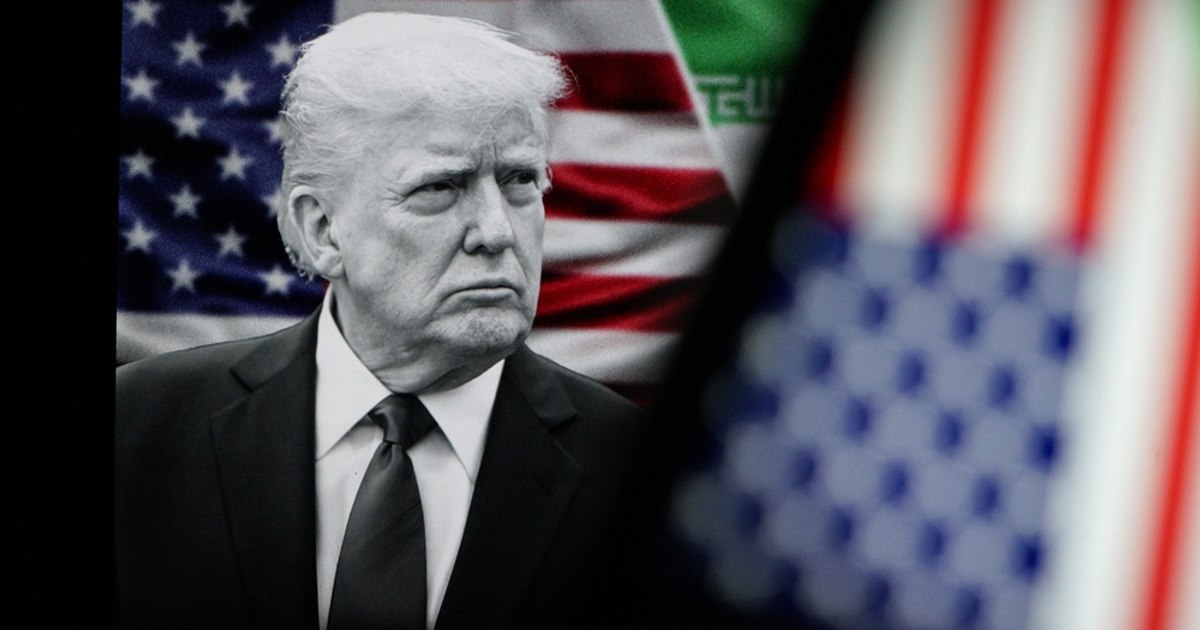
Trump, pressured by Republicans to end the war in Iran PHOTO Shutterstock
Republicans continue to give President Donald Trump more leeway on Iran. At first, they hoped it would stick to the war's original timetable of four to six weeks. Then they offered him 60 days, and after that, until the summer.
Now, however, local Republican Party leaders in key states, campaign officials and political strategists are beginning to press for a clear deadline: early September, according to discussions with more than a dozen people involved, POLITICO reports.
September elections
This time, they say, the situation is different: September marks the unofficial start of the general election season, when more voters start paying attention and the political stakes rise. Amid rising American casualties and rising fuel and fertilizer prices, Republicans indicate that the political risks of a protracted conflict are rising as the midterm elections approach.
“By September 1st… the situation must be resolved”said Dan Naylor, the leader of the Lackawanna County Republican organization in a key Pennsylvania House district. “From that point on, the focus shifts more and more to the election and we need to be able to show that prices are starting to come down.”
Still, Naylor says he and many other Republicans believe Trump is doing what “had to be done” in Iran and concedes that the president is unlikely to “draw a line in the sand” regarding an exact end date, given the complexity of the situation.
A senior White House official said on Friday that a preliminary deal with Iran to end the war is close but not yet certain, putting the chances of success at 80-85 percent, while skepticism about the negotiations remains. A deal would bring a big relief to conflict-weary Republicans, and many of them say they are confident it will come to fruition. However, this is not the first time that an agreement seems imminent, only for the war to continue.
Tensions within the party
Fissures within the Republican Party have already begun to become publicly visible, with some candidates stressing the need for the war to end quickly, even as they support the original goals of the intervention.
Ashley Hinson, the Republican candidate for the US Senate in Iowa, admitted at a campaign event late last month that the war could become “a political vulnerability” if extended beyond “the next few weeks”.
Sen. Jon Husted, who is running for a full term in the key state of Ohio, said earlier this month that he did not know how the standoff would end, but “must end”referring to stalled and uncertain negotiations with Iran. For his part, Senator Pete Ricketts, who is running for re-election in Nebraska, said on a local radio station that he wants to see “a diplomatic solution” to the conflict “as quickly as possible”.
Six in 10 Americans believe Donald Trump is getting 'unpredictable as he gets older'
In May and June, eight Republican congressmen joined Democrats and voted against Trump's requested war powers — unusual gestures of distancing themselves from the president, including from electorally vulnerable Republicans such as Sen. Susan Collins of Maine, Congressman Brian Fitzpatrick of Pennsylvania, or Congressman Tom Barrett of Michigan.
Most of the Republicans who voted differently, including Warren Davidson, Barrett and Fitzpatrick, justified their position by the need to defend the authority of Congress to decide the duration and extent of military action. Massie has long been an opponent of US military interventions.
“It would be good to see some more progress in the negotiations”said a national Republican strategist involved in Senate races. “The goals are justified, but obviously if this conflict continues through the end of the summer and into the fall, it will continue to create problems.”
Republicans, worried that war with Iran
Republican concerns about the war's impact on the midterm elections come at a time when Trump appears little interested in a quick exit from the Middle East conflict. The president has publicly expressed his frustration with Iran's refusal to accept his administration's terms. On Thursday morning, he threatened to strike Iran “very rough tonight”before walking back on the statement hours later.
Trump also said his goal was to capture Kharg Island, a strategic Iranian oil hub, in an operation that could endanger American troops, but added that he did not believe that “America has the stomach” for such a step.
Conservative commentator Tucker Carlson, who has significant influence on the young, anti-interventionist wing of the Republican Party, said on his show Thursday that President “he is an inconsistent commander-in-chief, certainly not a diplomat and obviously not a negotiator.”
“What we're beginning to understand, unfortunately for all of us, is not just the limits of Trump, but the limits of American power.”said Carlson, who has become one of the most vocal anti-war voices.
US primary election 2026. Blow for Donald Trump in Iowa and major uncertainty in California
The fuel crisis
Even if the war ends soon, it could take months for fuel prices to return to pre-conflict levels, Republicans and economic analysts warn, increasing pressure on Trump to find an exit before the end of the primaries.
“Veterans support Trump and what he's doing in general, but the longer the conflict drags on, the more the economic impact becomes a reality we see firsthand”said Mark Lucas, a Trump ally and founder of Veteran Action. “That's why we strongly support President Trump's efforts to reach a peaceful solution.”
“What good does it do if we get to September 15 and prices start to drop, but people are already on the verge of voting?”asked the Nevada Republican strategist.
Polls show Americans' support for the Iran war is weak, and many say it is hurting their finances — a wake-up call for Republicans ahead of the November election, which could hinge heavily on voters' concerns about the cost of living.
A recent POLITICO poll found that most Americans, including a significant portion of those who voted for Trump in 2024, believe he has not done enough to protect them from the economic effects of war.